


With the rise of AI tools like ChatGPT becoming integral to daily productivity, many of us now design our home workspaces to accommodate seamless digital interaction. Creating ergonomic setups that support extended screen time and easy access to technology not only enhances comfort but also promotes focus. Thoughtful space planning and furniture choices, such as adjustable desks and cable management solutions, are essential for blending high-tech lifestyles into functional living environments. Tools like Homestyler can assist in visualizing and planning such efficient spaces, ensuring optimal use of available areas.
Direct Answer
Effective furniture placement in a small living room revolves around maintaining clear walkways, selecting appropriately scaled furniture, and employing design techniques that visually open up the space. Instead of simply pushing all furnishings against walls, utilizing strategic floating arrangements, vertical storage solutions, and multifunctional pieces can significantly enhance both the flow and comfort of the room.
Compact living rooms feel more spacious when every furniture item serves a specific function and the layout encourages easy movement instead of obstruction.
Quick Takeaways
Introduction
After designing numerous apartments in Los Angeles, it became clear that tight living rooms rarely feel confined solely because of their size. More often, cramped feelings stem from poor furniture arrangements.
I've seen apartments with only 400 square feet feel roomy, while others with nearly double the space can seem cramped. The key difference lies in layout strategy. Proper furniture placement tips for small living rooms can completely transform the usability and feel of a space without any structural changes.
In this article, I’ll guide you through the placement tactics I employ in real projects to make small living rooms feel larger, calmer, and far more comfortable.
Why Pushing All Furniture Against Walls Often Worsens Small Living Rooms
Key Insight: Arranging all furniture against walls tends to make compact living rooms feel even tighter instead of more open.
Many people instinctively push sofas and chairs against the perimeter to maximize floor space. However, this often results in an empty center and awkward movement patterns.
In my experience, pulling sofas 6 to 12 inches away from walls can actually make rooms feel more intentional and spacious by creating purposeful layouts rather than leftover spaces.
What works better:
Design reasoning:
Interior designers commonly use floating furniture layouts in small urban apartments for precisely these reasons.
Choosing Appropriately Scaled Furniture for Small Living Rooms
Key Insight: Incorrect furniture sizing can disrupt the flow and feel of a small living room quicker than most other mistakes.
A frequent error is cramming oversized sectionals into limited areas; even if they fit, they tend to dominate and hinder circulation.
Guidelines for better scale:
Recommended furniture types:
Pieces with exposed legs create an illusion of expanded floor space, lending a lighter and airier feel to the room.
What Is the Ideal Layout for a Small Living Room?
Key Insight: Prioritizing unobstructed pathways before adding seating makes the biggest difference in small room layouts.
I often draft walking paths first before placing any furniture. When movement through the room feels natural, the space automatically seems larger.
Simple layout formula I frequently use:
Common focal points include:
Designing a layout around a central focal point naturally results in a more organized and intentional space.
Can Multifunctional Furniture Improve Small Living Room Designs?
Key Insight: Furniture that serves multiple functions often replaces two or three separate pieces in compact living rooms.
In tight apartments, multi-purpose furniture greatly enhances flexibility and space efficiency.
My preferred space-saving pieces include:
Additional advantage:
Many contemporary furniture brands, accessible via platforms like Homestyler, focus on compact urban living essentials, making these multifunctional options more widely available than before.
Utilizing Vertical Space in Small Living Rooms
Key Insight: Vertical space is the largest untapped resource in small living room design.
When floor area is limited, walls serve as valuable storage and display zones.
Effective vertical design solutions include:
Why vertical space matters:
Professional interior stylists integrate vertical shelving with minimal footprint furniture to maintain balance and openness.
Common Hidden Layout Pitfalls in Small Living Rooms
Key Insight: Several subtle mistakes in layout contribute to a snug feeling more than space limitations alone.
Though rarely showcased in listings or inspiration photos, these errors appear consistently in occupied homes.
Typical mistakes involve:
Improved alternatives include:
Using one large rug often creates the perception of a bigger room by visually unifying the seating area.
Answer Box
The most effective furniture placement strategies focus on appropriate scale, flow of movement, and simplicity. Choosing fewer, well-designed items, maintaining clear pathways, and incorporating vertical storage typically have a greater impact than simply adding extra furniture.
Final Summary
FAQ
What’s the best furniture arrangement for a small living room?
An arrangement that emphasizes open walkways, uses furniture with correct proportions, and centers around a focal point usually works optimally in limited spaces.
Should a sofa be placed against the wall in a small living room?
Not necessarily. Slightly distancing the sofa from walls adds depth and intentionality to the room design.
How much clearance should main pathways have in a small living room?
Aim for 24 to 30 inches of walking space to maintain comfortable movement throughout the room.
What type of furniture makes a small living room feel larger?
Furniture with exposed legs, light visual weight, and sleek profiles tend to make compact rooms appear more open and airy.
Can a sectional fit well in a small living room?
Yes, provided it’s designed for apartments and does not obstruct circulation channels.
Do rugs help make small living rooms look bigger?
Typically, a single larger rug unifies the seating area better than multiple smaller rugs, helping the space feel more cohesive.
Are coffee tables necessary in compact living rooms?
Not always; many designers prefer nesting tables or storage ottomans as versatile alternatives.
How do interior designers maximize layouts in small living rooms?
They combine smart furniture placement techniques with vertical storage, appropriately scaled seating, and multifunctional furnishings to optimize both functionality and style.
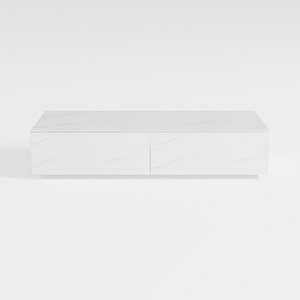

Modern Minimalist Faux Marble Coffee Table with Storage Drawers 3D Model
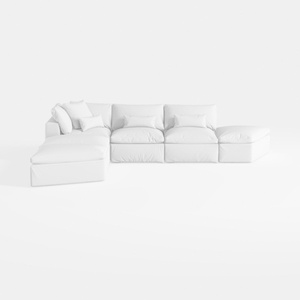
Minimalist White Fabric L Shaped Sectional Sofa 3D Model
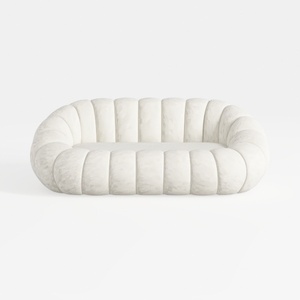
Minimalist Boucle Fabric Curved Sofa 3D Model
Homestyler offers an easy-to-use online home design tool with stunning 3D renderings, inspiring design projects, and helpful DIY video tutorials. It's perfect for turning your interior decoration ideas into beautiful, realistic visualizations quickly and effortlessly.
지금 무료로 디자인하세요
































