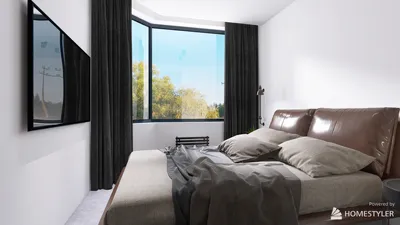


Direct Answer
A sectional sofa can be suitable for a 14x20 living room if you desire a cozy spot for conversations and frequently watch TV. However, arranging a sofa along with chairs generally enhances traffic flow and offers more flexibility. In most rectangular living spaces of this size, interior designers often prefer a sofa-based setup, especially when the room doubles as a passageway or serves multiple purposes.
Quick Takeaways
Introduction
Having designed numerous rectangular living areas over the years, a common inquiry is whether a sectional or a traditional sofa arrangement is better suited for a 14x20 living space. Although the dimensions appear generous on paper, the seating placement can sometimes restrict movement through the room.
One frequent error homeowners make is selecting furniture before fully grasping the room's functional flow. Since a 14x20 area often serves as a corridor connecting other rooms, this significantly impacts the optimal furniture layout.
Before finalizing any arrangement, I recommend utilizing a digital room planner. Tools like Homestyler enable users to try out realistic living room configurations virtually, making it simpler to experiment with sectionals and sofa setups without lifting a single piece of furniture.
This article explores how each seating style performs within a rectangular 14x20 space, highlighting areas where they excel and discussing nuanced design considerations that many online sources overlook.
save pin
Understanding the Dimensions of a 14x20 Living Room
Key Insight: A 14x20 living room is moderately large but its elongated rectangular shape imposes certain layout limitations that influence seating decisions.
From a design perspective, this space measures roughly 280 square feet, which sounds sizable. However, the longer dimension often becomes the main thoroughfare, especially in homes with an open floor plan.
Typical spatial breakdown:
The primary challenge isn’t the area itself, but how elements like doorways, windows, and focal points align along the 20-foot length. When doors are positioned on opposite sides, bulky furniture, such as sectionals, may inadvertently obstruct natural walking routes.
Industry standards, such as those from the American Society of Interior Designers, recommend 30 to 36 inches of clear circulation space to enhance comfort in communal rooms. This clearance heavily influences the best choice of seating layout.
How Sectionals Affect Movement Patterns
Key Insight: While sectionals optimize seating space, the chaise extension can interfere with foot traffic if positioned along key pathways.
Sectionals are favored for maximizing seating and creating a laid-back lounging vibe. Yet, in narrow rectangular rooms, their L-shaped or extended chaise configurations often block flow through the living area.
Common sectional setups for a 14x20 room include:
An overlooked factor is the "visual weight" a large sectional brings, which can dominate a room and leave limited space for chairs, side tables, or other adaptable seating options.
Based on my own design consultations, sectionals perform optimally when:
save pin
Benefits of a Traditional Sofa and Chairs Arrangement
Key Insight: Combining a sofa with accent chairs fosters better balance in the room and enables designers to create conversational zones without hindering movement.
This configuration is my preferred choice in rectangular rooms because it lets seating "float" and avoids forming physical barriers within the space.
A standard layout might comprise:
Flexibility is a major advantage; chairs can swivel, move closer for discussions, or be shifted aside to accommodate extra guests.
Additionally, scale is easier to manage. Instead of one massive furniture piece dominating, multiple smaller items evenly distribute visual focus.
When planning such layouts, I often suggest using digital floor planning solutions like Homestyler. This process helps visualize accurate furniture placement and ensures clear pathways before purchasing.
save pin
Comparing Space Efficiency: Sectional vs Sofa
Key Insight: Sectionals offer higher seating density per square foot but setups with sofas and chairs generally make the room feel more spacious and versatile.
Here’s a typical comparison in a 14x20 living room:
Nonetheless, efficiency isn’t solely about the number of seats. A downside to sectionals is the inflexibility—they tend to lock your layout, making it difficult to rearrange without a full replacement.
Conversely, sofas and chairs can be rotated, supplemented with extra seating, or reoriented around new focal points as needs change.
Answer Box
In 14x20 living rooms, arranging sofas and chairs typically results in smoother circulation and adaptability. Sectionals perform best in rooms with minimal foot traffic that primarily serve as lounging or TV-watching spaces.
Ideal Seating Layouts for Different Scenarios
Key Insight: Optimal layout depends more on how the room connects to adjacent areas than on just its size.
Opt for a sectional when:
Choose a sofa and chair arrangement when:
Many designers overlook how much clarity comes from visualizing the entire room. One of the most effective methods is leveraging a digital planner like Homestyler, allowing you to preview various furniture setups in a realistic environment prior to purchase.
save pin
Selecting Layouts Based on Lifestyle Preferences
Key Insight: The ideal seating formation aligns with everyday routines rather than only spatial measurements.
Consider asking yourself:
From my experience, families who regularly watch films together prefer sectionals. Meanwhile, those who entertain frequently or value versatile seating lean towards sofa and chair arrangements.
The objective isn’t to maximize furniture quantity, but to support how the room is genuinely used.
Final Summary
FAQ
Can a sectional fit comfortably in a 14x20 living room?
Yes, most L-shaped sectionals sized between 95 and 110 inches fit well while preserving adequate walking paths.
Is a sectional or sofa better for a rectangular living space?
Typically, a sofa configuration performs better as it maintains open traffic lanes and avoids blocking the room’s length.
What is the optimal seating arrangement for a 14x20 living space?
A popular choice includes one sofa paired with two chairs centered around a coffee table.
How much clearance is recommended around a sectional?
It’s best to leave at least 30 inches for walking space and around 18 inches between the sectional and coffee table.
Should a sectional face the television?
In most cases, yes; however, angling the sectional slightly can enhance conversation and visual balance.
Can a sectional be positioned floating in the middle of a room?
Absolutely. Floating sectionals work effectively in open-plan designs where they define the seating area.
What sofa size suits a 14x20 living room best?
Sofas ranging from 84 to 96 inches in length typically fit proportionally in a 14x20 room.
How do interior designers plan living room furniture layouts?
Professionals usually start with floor plans or use digital design platforms like Homestyler to map furniture placement before purchasing.
References
American Society of Interior Designers Space Planning Guidelines
Architectural Digest Recommendations for Living Room Layouts
Interior Design Handbook by Frida Ramstedt
Originally incubated at Autodesk, Homestyler has grown into one of the most widely adopted home design platforms in the world, now trusted by over 18 million users. Whether you're a homeowner exploring ideas or a professional designer delivering client-ready renders, Homestyler brings industry-leading 3D technology to your fingertips — no experience required.

Modern Marble Top Black Metal Round Coffee Table 3D Model
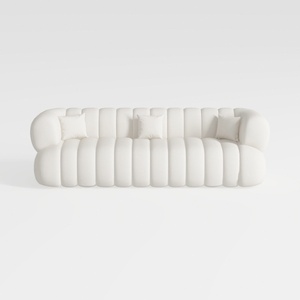
Minimalist Boucle Fabric Channel Tufted Sofa 3D Model
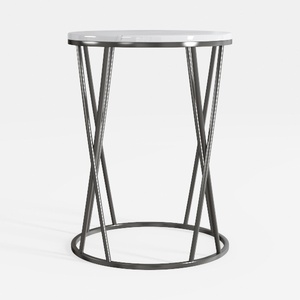
Modern Marble Top Metal Frame Round Side End Table 3D Model
Homestyler offers an easy-to-use online design tool complemented by stunning 3D renderings and a vast collection of interior projects. With helpful video tutorials, it’s ideal for anyone looking to create and visualize beautiful home designs effortlessly.
Desain sekarang Gratis
































