

Direct Answer
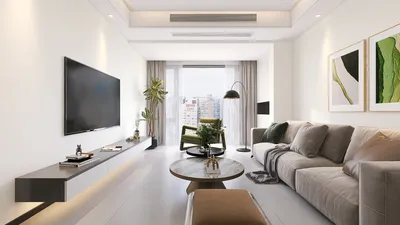
Expert home staging techniques emphasize clarity of space, emotional engagement, and seamless flow. Real estate professionals prepare properties by streamlining layouts, showcasing architectural highlights, and applying neutral design schemes that help potential buyers envision their future life there. The aim is strategic presentation rather than simple decoration, which boosts perceived value and speeds up offers.
Quick Takeaways
Introduction
Having worked extensively in residential interior design for over ten years, I recognize that professional home staging differs significantly from typical interior decorating. While interior design personalizes homes for their owners, real estate staging intentionally depersonalizes spaces so a broad pool of buyers can imagine living there.
Many sellers mistakenly think staging is about adding trendy furniture and decorative accessories. In truth, much of the process occurs before styling begins. Professionals analyze floor plans, reduce visual distractions, and restructure room compositions to make the spatial layout immediately understandable. Often, I use software similar to Homestyler to map layouts and optimize furniture flow, since clarity in spatial arrangement profoundly influences buyer perception.
Real estate agents know that buyers make emotional judgments within seconds of walking into a home or even quicker when browsing photos online. The staging methods used by experts are designed to direct these emotional responses effectively.
Below are proven strategies commonly employed by realtors and staging specialists to help homes sell faster and at prices often above listing.
save pin
How Professional Stagers Prepare Homes for the Market
Key Insight: Professional staging begins by removing clutter, not adding items.
One frequently overlooked aspect of staging is how much is taken away prior to adding any decorations. Most homes contain too many personal items—family photographs, mismatched furnishings, bulky storage solutions, or confusing layouts—which detract from the buyer’s focus.
When preparing a property for sale, staging experts usually follow a systematic approach:
According to reports from reputable industry sources, staged homes tend to sell more quickly and often at higher prices because buyers can better visualize the living space. From a designer’s viewpoint, the greatest benefit is enhanced spatial clarity that allows buyers to comprehend the home instantly.
Decor Techniques Realtors Use to Increase Buyer Interest
Key Insight: Carefully crafted focal points steer buyer attention toward a home’s most appealing elements.
Skilled realtors understand that buyers rarely examine a room uniformly; their gaze is naturally drawn to the strongest visual anchors. Professional staging strategically manages these focal points to create impactful first impressions.
Popular techniques include:
An increasing trend involves using digital rendering tools like Homestyler to preview staging setups, enabling agents to visualize how rooms will appear in marketing photos prior to physical installation. This approach allows for precise digital experimentation to optimize interior presentation before staging.
save pin
Room Prioritization Strategies in Professional Staging
Key Insight: Not every space requires full staging; professionals concentrate on rooms that most influence buyer decisions.
A common error among homeowners is attempting to stage all rooms equally. In reality, buyers focus their judgment predominantly on select key areas.
Professional staging usually prioritizes spaces in the following sequence:
Secondary bedrooms, corridors, and workspaces often get lighter styling. This allocation ensures budget and effort focus on rooms that drive buyer interest while avoiding over-decoration.
save pin
Psychological Triggers Used in Buyer Focused Decor
Key Insight: Effective staging subtly encourages buyers to visualize living in the space, triggering emotional connections.
Experienced stagers adopt a marketer's mindset by creating scenes that suggest desirable lifestyle moments rather than decorating randomly.
Examples include:
These setups are intentionally minimal yet evocative, helping buyers mentally immerse themselves in the home environment.
This technique, sometimes called mental simulation, increases emotional attachment, a critical factor influencing purchasing decisions.
Minimalist Styling Trends in Modern Home Staging
Key Insight: Contemporary staging favors subtle, hotel-inspired interiors over heavily personalized décor.
Over recent years, there has been a clear move toward minimalist aesthetics in staging. Clean, open layouts photograph well, especially important as most buyers begin their search online.
Current trends include:
In compact areas, experimenting with furniture configurations is essential. Designers often use platforms like Homestyler to test multiple layout options before arranging pieces to enhance circulation instead of blocking it.
Case Examples of Staging That Increased Sale Price
Key Insight: Thoughtful staging can significantly raise perceived property value, often exceeding staging expenses.
For instance, a Los Angeles property I advised on remained unsold for over six weeks due to poor presentation despite favorable features.
Staging revisions included:
Within ten days following re-listing with new photographs, the property attracted multiple bids and sold above asking price.
Answer Box
Top-tier professional home staging strategies focus on decluttering, accentuating architectural features, and incorporating subtle lifestyle hints. When buyers immediately grasp the space and envision living there, homes tend to sell faster and command higher prices.
Final Summary
FAQ
Do professional home staging strategies truly boost sale prices?
Absolutely. Many agents report that staged properties attract stronger offers because buyers view them as ready to move in and easy to understand spatially.
How do real estate agents stage homes quickly?
Typically, they focus on decluttering, rearranging furniture, and applying neutral tones. These steps can often be completed within a few days.
Which rooms should be staged first?
Living rooms, kitchens, and master bedrooms generally make the strongest impact and are usually tackled first by staging professionals.
Are professional home staging services costly?
Costs vary, but many staging projects emphasize editing and reconfiguring existing furnishings rather than purchasing new decorations.
Is it better to stage homes empty or furnished?
Furnished staging tends to perform better as it helps buyers comprehend room size and function more easily.
Do staged homes photograph better for listings?
Yes. Clean, organized layouts with balanced lighting and minimal styling significantly enhance listing photographs.
Can sellers apply professional staging strategies themselves?
Yes. Decluttering, using neutral colors, and optimizing furniture placement are the most effective steps sellers can take on their own.
How long does it take to stage a property for sale?
A basic staging can take between one and three days, whereas larger homes might require up to a week.
References
National Association of Realtors – Home Staging Profile
Insights from the Real Estate Staging Association
Best practices from the Interior Design Society on staging
Originally incubated at Autodesk, Homestyler has grown into one of the most widely adopted home design platforms in the world, now trusted by over 18 million users. Whether you're a homeowner exploring ideas or a professional designer delivering client-ready renders, Homestyler brings industry-leading 3D technology to your fingertips — no experience required.
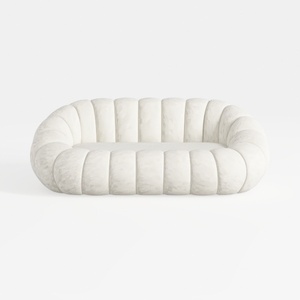
Minimalist Boucle Fabric Curved Sofa 3D Model

Minimalist White Fabric Extra Large Sectional Sofa 3D Model

Homestyler is a user-friendly online home design platform offering powerful 3D rendering tools, inspiring design projects, and easy-to-follow video tutorials. It’s perfect for anyone looking to create and visualize beautiful interior designs effortlessly.
Design jetzt kostenlos
































