


In today’s connected homes, technology like AI copilots plays a growing role in managing daily tasks seamlessly. When tools such as digital assistants experience downtime, it reminds us of the importance of designing adaptable living spaces that support both tech engagement and offline comfort. Thoughtfully arranged furniture can create flexible zones for productivity, relaxation, and recharging devices, ensuring our homes remain havens regardless of tech availability.
Side tables can be viewed as miniature pieces of architecture—requiring careful attention to proportion, materials, and positioning just as much as a new sofa would influence a living area. In smaller rooms, a thoughtfully selected side table can enhance the visual equilibrium, improve accessibility, and accommodate lighting or storage needs without crowding pathways. The key lies in optimizing size and layout to let the space feel open and breathable.
Empirical studies validate the significance of small furnishings in shaping comfort and usability. According to research by Steelcase, the availability of surfaces and reachability zones greatly affect workflow and micro-breaks, thereby boosting perceived comfort and minimizing workspace friction. WELL v2 standards emphasize glare control, balanced luminance, and accessible surfaces as critical factors for occupant well-being, often supported by side table lighting. For ergonomic considerations, the NKBA guideline suggests table heights within 1–2 inches of sofa arm height for comfortable reach, and typical lamp shades should rest near eye level while seated to limit glare as per IES light recommendations. When considering color psychology, insights from Verywell Mind highlight that warm wood tones and muted shades feel welcoming, while cooler colors induce a calm, receding visual effect—beneficial in compact environments.
Scale, Proportion, and Reach
When pairing a side table with a standard two-seat sofa, a diameter ranging from 16 to 22 inches, or a rectangular surface approximately 14–18 by 18–22 inches, usually maintains comfortable circulation. The tabletop height should be around 23–26 inches if the sofa arm sits near 24–25 inches, matching the forearm's resting position and reducing strain during reach. It’s advisable to preserve clearances of at least 30–36 inches in main walkways, though in smaller apartments, 28 inches can suffice if furniture legs are visually light and open.
Materials and Visual Weight
The choice of materials greatly influences how heavy or light the side table appears. Slim steel frames, transparent glass tops, and light ash wood surfaces tend to recede visually, making compact rooms feel airier and less cluttered. Matte finishes help reduce micro-glare under table lamps, aligning well with glare management guidelines in WELL v2 and IES standards. To introduce warmth, materials like oiled walnut or cork provide texture without adding visual bulk. From a sustainability standpoint, selecting FSC-certified woods, powder-coated metals with low-VOC paints, and modular, repairable components is recommended.
Lighting on Side Tables: Comfort First
Side tables often serve as bases for lamps that define the room’s lighting atmosphere. Aim for color temperatures between 2700–3000K to evoke warmth during evening hours, and 3000–3500K for neutral daytime illumination. Lamp shades should be positioned so their bottom aligns near seated eye level to minimize direct glare. Incorporating dimmers supports layered lighting control. A side table with an off-center lamp base can free up surface space for books or drinks, enhancing everyday usability and ambient light balance.
Storage vs. Surface: Picking the Right Type
Open C-frame tables can partially slide under sofas, adding surface area without increasing floor footprint. Nesting tables offer flexibility by expanding for guests and nesting for minimalism when not in use. Side tables with drawers are ideal for spaces prone to clutter, providing handy storage for remotes and charging cables. Drum tables act as sculptural anchors; textured or ribbed finishes soften light reflections and prevent a heavy, monolithic feel.
Ergonomics and Human Factors
Optimal reach distances for side tables fall within 16–20 inches from a seated position. Rim heights should enable relaxed wrist postures, and sharp edges are best avoided if children use the area. When a table doubles as a workspace for reading or sketching, prioritize rounded edges and stable bases with at least a 12–14 inch weighted footprint to prevent tipping hazards.
Color Psychology for Small Spaces
Choose side table colors to reinforce the spatial atmosphere. Cool, desaturated hues visually recede, helping compact living rooms appear larger, while warm woods and muted terracotta tones foster cozy, inviting moods. In rooms with light-colored walls, select tables that are one to two shades darker to create soft contrast without overwhelming visual noise. Coordinate accent colors with textiles to unify the overall design.
Acoustics and Material Tactility
Hard, reflective tabletops can intensify acoustic sharpness in small rooms. Incorporating cork or leather inlays on wood surfaces helps dampen clinks and provides better grip. Ribbed or fluted bases break up sound reflections slightly while adding tactile interest, complementing soft furnishings and rugs that absorb most of the ambient noise.
Where to Place: Micro-Layouts That Breathe
Position one side table adjacent to the sofa arm and another between a lounge chair and window to create balance between symmetry and task zones. In layouts that change frequently, consider lightweight tables that can be slid around easily. To experiment with spacing and flow before investing, utilize room planning software like Homestyler, which allows virtual simulation of circulation widths and reach zones.
Top Picks by Use Case
• Small footprint elegance: an 18-inch round table with a thin steel frame and light oak top, offering visual softness and easy mobility.
• Nested versatility: two-piece nesting tables with 16- and 20-inch tops, expandable for guests and nestable for everyday minimalism.
• Hidden organization: 18x18 inch side tables featuring soft-close drawers to keep remotes and chargers neatly out of sight.
• Under-sofa slide: C-shaped tables with 10–12 inch depth and stable rounded edges suitable for laptops or snacks.
• Sculptural anchor: drum-shaped tables 20–22 inches in diameter finished with ribbed wood or stone composite, adding visual presence when paired with dimmable lamps.
Rhythm, Balance, and Visual Flow
Repeating materials at least twice, such as wood in both tables and picture frames or metal in lamps and hardware, builds rhythm and cohesion. Maintain low and clean sightlines near openings. In heavily upholstered rooms, side tables can introduce contrast through varied textures or sheen, providing visual rest points and functional surfaces within the space.
Budget and Longevity
Allocate resources primarily where durability and user interaction occur: stable bases, resistant finishes, and replaceable components. Avoid overly thin glass in high-traffic areas; opt for tempered glass with rounded edges. A modest budget can achieve excellent results by selecting one well-made table and supplementing with a versatile movable stool that doubles as a secondary surface.
Design Notes from Practice
In compact urban projects, side tables are usually sized to align with sofa arm heights first, followed by testing for lamp glare from a seated viewpoint before finalizing finish choices. For clients seeking warmth without visual clutter, lighter woods like ash or beech with subtle grain and matte lacquers are preferred. In spaces used for both reading and conversation, it’s often better to use two smaller side tables instead of one large coffee table, as this improves circulation and ensures everyone can reach a convenient surface.
Recommended Standards and Research
For comprehensive insights on comfort and ergonomics spanning office and residential contexts, consult authoritative resources such as Steelcase studies and WELL v2 guidelines. These sources provide valuable recommendations on surface availability, glare reduction, and ergonomic dimensions, supporting well-designed side tables that enhance daily living.
FAQ
Q1. What is the best height for a side table next to a standard sofa?
A1. It is ideal to match the sofa arm height within 1 to 2 inches; generally, 23 to 26 inches maintains a neutral wrist position for easy reach.
Q2. How large should a tabletop be in a small living room?
A2. Table diameters of 16 to 20 inches, or rectangular tops around 14–18 by 18–22 inches, usually preserve circulation while providing sufficient surface area.
Q3. Which materials make furniture appear lighter in compact spaces?
A3. Slim metal frames, light-colored wood, and transparent or smoked glass reduce perceived bulk. Matte finishes assist in controlling glare under lamps.
Q4. What colors make a room feel larger?
A4. Cooler, desaturated colors recede visually and help open up small rooms. Combining these with warm accent textiles keeps the atmosphere inviting rather than stark.
Q5. How can glare from table lamps be minimized?
A5. Position the bottom of shades near seated eye level, use warm light temperatures around 2700–3000K in evenings, incorporate dimmers, and avoid placing lamps directly within sightlines.
Q6. Is storage necessary in a side table?
A6. Storage is helpful in clutter-prone rooms—drawer-front tables work well for remotes and chargers, while open frame and nesting tables keep footprints lighter.
Q7. How far should a side table be placed from the seating spot?
A7. Frequent-use items should fall within 16 to 20 inches from seated reach zones to prevent awkward leaning.
Q8. Will a drum side table overpower a small room?
A8. If finished with light textures and sized around 20–22 inches in diameter, drum tables can add presence without overwhelming. Pair with visually light lamps to maintain balance.
Q9. Can a C-table substitute for a coffee table?
A9. Yes, especially in compact spaces. Stable C-tables slide under sofas to provide surfaces for laptops or snacks and free up central pathways.
Q10. What clearance is recommended around side tables?
A10. Ideally, protect 28 to 36 inches in main circulation paths. Near seating, 24 inches may be adequate if table edges are soft and legs are open visually.
Q11. How do side tables affect room acoustics?
A11. Hard surfaces can reflect sound, making small rooms acoustically sharp. Adding cork or leather inlays, as well as pairing tables with fabric shades and area rugs, helps soften the space acoustically.
Q12. Are sustainably made side tables durable enough?
A12. Absolutely. Selecting FSC-certified woods, powder-coated steel, and furniture with replaceable parts ensures durability is driven by quality construction and materials, not just type.
Originally incubated at Autodesk, Homestyler has grown into one of the most widely adopted home design platforms in the world, now trusted by over 20+ million registered users (platform data, 2026). Whether you're a homeowner exploring ideas or a professional designer delivering client-ready renders, Homestyler brings industry-leading 3D technology to your fingertips — no experience required.
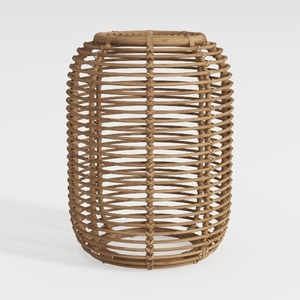
Bohemian Rattan Woven Side Table Accent 3D Model

Minimalist Solid Oak Round Side Table 3D Model

Minimalist Oak Marble Top Side Cabinet With Drawers 3D Model
Homestyler offers an easy-to-use online design tool with stunning 3D renderings, inspiring interior projects, and helpful DIY video tutorials. It’s ideal for bringing your home design ideas to life quickly and creatively.
Design Now for FREE








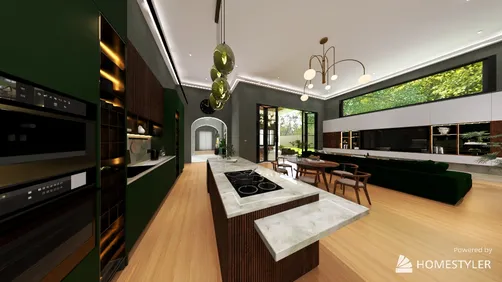

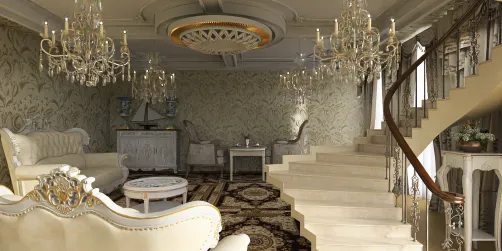

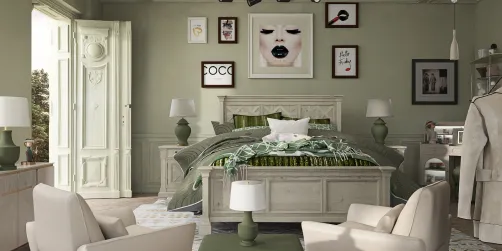

![Design [1]](https://hs-designs.homestyler.com/production/design/images/87c3311f-b762-48e5-aa6c-2a61ff42aaa8/1731347951087/7837764.jpg?x-oss-process=image/resize,w_502,m_mfit/format,webp)




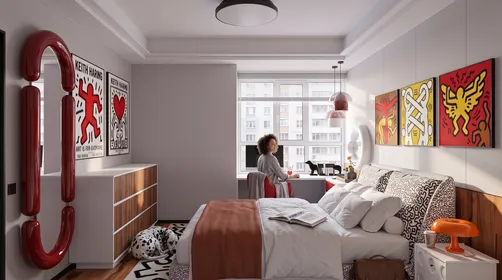




![[For dear Adelina madee 🤎]](https://hs-designs.homestyler.com/production/design/images/8a07e535-9cbc-4132-a42a-5932dac3a112/1706972286037.jpg?x-oss-process=image/resize,w_502,m_mfit/format,webp)