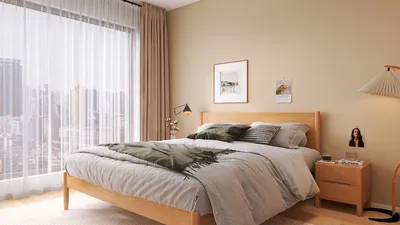


As more people embrace the convenience of steam machines for their daily cleaning and fabric care, incorporating dedicated spaces within our homes for such technology becomes essential. Designing a multifunctional laundry area that accommodates a steam machine not only enhances efficiency but also elevates the overall functionality of your living space. Thoughtful layout and proper ventilation ensure that these appliances integrate seamlessly into modern home environments.
A shower may appear spacious in a render but still fall short in practical use if, for instance, the door clashes with the vanity, controls are positioned within the spray, or the drain interferes with underlying floor structures. Utilizing a shower design tool can reveal these potential issues early on, allowing for adjustments while they are still easy to implement. Tools like Homestyler assist users in identifying such conflicts in the planning phase, ensuring a more functional outcome.
The most effective workflow when designing a shower is to avoid decorating prematurely. Start by creating an accurate room shell, define the shower’s footprint, place the enclosure and controls appropriately, coordinate niches and tile placement, and then review the design in both 2D and 3D views. Browser-based bathroom design applications, such as Homestyler, facilitate this process by maintaining the shower’s connection to the entire bathroom layout rather than isolating it as a standalone product.
What a shower designer should help you decide
A practical shower designer offers more than an appealing gallery of enclosures; it should enable users to evaluate choices affecting fit, movement, upkeep, and overall shower experience. Consider using the software to explore and test various configurations that can impact how comfortably and effectively a shower functions.
A 3D shower design tool proves particularly valuable when multiple elements overlap vertically. While floor plans might suggest niches fit on a wall, a three-dimensional view can disclose conflicts such as interference with valves, placement behind an open door, or misalignment within the tile pattern. Homestyler’s 3D capabilities give designers and homeowners clear insight into spatial relationships and potential challenges.
Remember, the model serves primarily as a planning and communication aid. It does not substitute for confirmation of structural integrity, waterproofing, plumbing performance, electrical safety, accessibility compliance, or local regulatory approvals, which require professional expertise.
Enter finished dimensions, not optimistic dimensions
Begin your project with a thorough bathroom survey. Measure every individual wall around the proposed shower space, even when the area appears square. Note ceiling heights, door and window placements, sloping areas, boxed-in pipes, floor level changes, and any walls containing plumbing or electrical services.
Differentiate clearly between existing structural measurements and the finished dimensions after accounting for backer boards, waterproofing, mortar, tile thickness, wall panels, framing modifications, and glass mounting systems. For example, a rough opening measuring 48 inches may not result in a 48-inch finished shower space once all materials are applied.
Keep detailed records of these measurements before moving forward.
If there is uncertainty about the current bathroom plan, use a measured approach by drawing the bathroom floor plan online prior to selecting the enclosure. Lock the room shell once verified to prevent accidental changes to base measurements while testing different shower configurations.
Choose the enclosure and door as a movement system
While an online shower configurator might present enclosure selection as primarily a stylistic choice, the door and glass components largely dictate how a person enters, exits, reaches for towels, and moves around nearby fixtures. This makes them crucial elements in functional design.
Begin with the shower footprint and then evaluate enclosure types in relation to the surrounding room features:
Draw the full door swing arc instead of only the glass panel’s outline. Test the interaction between the bathroom entry door, shower door, vanity drawers, toilet space, and linen storage areas. Two components that fit individually might interfere when used simultaneously.
Also consider the user’s perspective: is there a dry standing area? Can the shower door be opened without needing to twist around the toilet? Is the threshold visible enough? Could a caregiver assist safely if needed? These questions are easier to address when the shower design tool, like Homestyler, displays the complete bathroom circulation path.
Coordinate the drain, showerhead, and controls early
Drain and control placement should not be treated as mere accessories added after layout approval. Their positions directly affect framing, plumbing routing, waterproofing details, floor construction, and user comfort.
Place the drain provisionally in the model, then consult a qualified professional to verify whether its proposed location and floor slopes are viable. For instance, a linear drain might require different tile and slope strategies compared to a point drain, although a 3D render may not visually capture every structural detail beneath the surface.
When setting controls, prioritize functionality over appearance. A practical set-up often allows you to turn water on without standing directly under the showerhead. Confirm that valves are reachable from the entrance, that the hand shower hose operates without tangling around benches, and that body sprays or multiple outlets have been assessed for plumbing capacity.
In your model, clearly indicate:
Avoid relying on renderings to judge water pressure, drainage capacity, pipe sizing, or waterproofing effectiveness. These factors require manufacturer specifications, site inspections, and expert design or installation decisions.
Place niches and benches before setting the tile pattern
Though shower niches are often easy to add visually, coordinating them within wall construction is complex. Final placement may be impacted by studs, plumbing, wiring, insulation, exterior wall conditions, waterproofing layers, and the size of items intended to be stored.
Model niches as volumes rather than mere decorative rectangles. Check internal height and depth, shelf thickness, reach from the standing shower position, and relationship to water spray. For example, a lower ledge might help leg shaving, while a higher niche keeps bottles within easy reach. Combining these functions without considering user needs risks creating a feature that serves neither purpose well.
Benches require similar scrutiny. Evaluate seat depth, legroom, clearance for head and shoulders, proximity to controls, and whether the bench reduces standing area. Floating benches may appear visually lighter in 3D models, but their support and waterproofing must be independently verified.
Once these elements are fixed, apply tile patterns realistically. Use your design software, such as Homestyler, to compare color, format, and pattern. However, always verify with physical samples under actual bathroom lighting, as screen colors and material simulations may not be reliable indicators for purchase decisions.
Run accessibility and long-term-use checks
Accessibility cannot be reduced to a single preset; it varies depending on user needs, jurisdictional requirements, project type, and applicable standards. Yet, an early shower planner can flag areas needing professional review.
Evaluate the design for:
Do not presume a curbless appearance equates to accessibility. Consider floor slope, transitions, door widths, clearances, control reach, support features, and the entire bathroom circulation route. Confirm compliance with qualified designers, contractors, accessibility consultants, and local authorities before proceeding with construction.
Review the design in 2D and 3D
Robust shower design tools apply 2D and 3D views strategically for different aspects of the planning process.
Use 2D schematics to examine exact measurements and geometry:
Then employ 3D views to assess spatial relationships and user experience. Virtually stand at key points such as bathroom entry, shower threshold, main shower position, and seat. Look for issues like controls hidden behind doors, difficult-to-reach niches, awkward showerhead angles, or glass panels that visually constrict the room compared to the floor plan. Software like Homestyler enables such immersive evaluations.
Create at least two full design options instead of repeatedly adjusting a single model. For example, compare hinged enclosures versus fixed-panel walk-ins, or maintaining existing drain locations versus relocating them for entry convenience. Use consistent room shells, fixture models, and viewpoints to identify trade-offs clearly.
For major renovations involving demolition, sequencing, and multiple fixture changes, using a bathroom remodel tool helps maintain cohesion between shower proposals and the overall room design.
Prepare the design for professional review
Before purchasing tiles, glass, valves, drains, or accessories, produce and export a comprehensive review package. Include dimensioned plans, relevant wall elevations, 3D images, product references, and a list of outstanding assumptions needing confirmation.
Request that appropriate professionals verify:
Shower design software facilitates clearer decision-making and communication, but it should not substitute for construction drawings unless validated by qualified professionals. The most valuable models transparently communicate design intent while entrusting technical verification to experts responsible for safe, buildable outcomes.
Originally incubated at Autodesk, Homestyler has grown into one of the most widely adopted home design platforms in the world, now trusted by over 18 million users. Whether you're a homeowner exploring ideas or a professional designer delivering client-ready renders, Homestyler brings industry-leading 3D technology to your fingertips — no experience required.

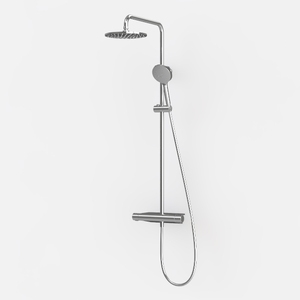
Modern Chrome Metal Wall Mounted Rain Shower System 3D Model

Minimalist White Fabric Shower Curtain with Chrome Mount 3D Model
Homestyler is a user-friendly online platform that makes home design easy and fun. With its powerful 3D rendering tools, extensive design projects, and helpful DIY video tutorials, you can effortlessly create and visualize your perfect interior space. Give your home a fresh look today!
Design Now for FREE
































