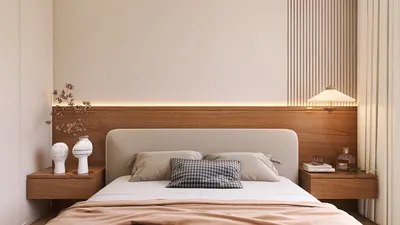


The evolving "state of play" in technology has transformed how we interact with our living spaces, blending digital innovation seamlessly into home environments. As gadgets become central to daily routines, thoughtful spatial design now emphasizes integrating smart devices with comfortable furniture, creating versatile zones for work, relaxation, and entertainment within the home.
Modified bitumen roofing systems consist of multi-layer asphalt membranes enhanced with polymer additives to boost durability, flexibility, and waterproofing performance. These membranes are often applied to low-slope roofs using methods such as torch application, cold adhesives, or self-adhering sheets. When installed correctly, modified bitumen roofs provide excellent weather resistance and can typically last between 20 and 30 years.
After extensive experience renovating various buildings and redesigning rooftops, I've observed that many property owners confuse modified bitumen roofing with traditional asphalt roofing. Contrary to that assumption, these roofing systems operate differently and offer enhanced benefits compared to conventional built-up roofs.
Developed to overcome the cracking and brittleness challenges of older asphalt roofs, modified bitumen incorporates polymer modifiers like SBS (Styrene-Butadiene-Styrene) or APP (Atactic Polypropylene). These additions help the membrane maintain flexibility amid temperature fluctuations while providing strong waterproof qualities.
For architects, facility managers, and building owners, the key consideration isn't just understanding what modified bitumen is but determining whether it suits their specific roofing needs. This article explores how these roofing systems function, their strengths, and common issues encountered post-installation.
Modified bitumen roofing systems evolved from traditional built-up roofing by replacing loose asphalt layers with factory-produced sheets. These sheets blend asphalt with polymer modifiers to enhance elasticity and thermal performance, ensuring improved durability.
The market predominantly features two polymer modifiers: SBS and APP, each offering distinct advantages based on climate and application.
A typical roof assembly using modified bitumen includes multiple membrane layers, reinforcement fabrics, and protective surface coatings, all designed to provide reliable waterproofing and mechanical strength.
According to the National Roofing Contractors Association, multi-ply membrane systems like modified bitumen continue to be among the most dependable solutions for commercial low-slope roofs due to their layered waterproofing redundancy.
Modified bitumen roofing is favored in commercial construction because it combines strength, installation versatility, and ease of repair better than many single-ply roofing membranes.
One significant advantage observed in real-world applications is its consistent, predictable performance, with multiple protective layers that minimize the risk of severe leaks compared to some thinner membrane options.
Building owners select modified bitumen roofing for reasons including its durability under heavy foot traffic, robustness against weathering, and proven longevity.
This roofing type is especially common on facilities such as warehouses, retail centers, and industrial buildings where roof resilience is critical.
Installation methods for modified bitumen roofing vary, with torch-applied, cold adhesive, and self-adhered techniques each offering different benefits depending on project requirements.
Self-adhered membranes have gained popularity in renovation contexts due to their reduced fire hazard and simplified installation near sensitive equipment or structures.
Critical installation steps involve carefully sealing seams and flashings, where most failures originate if improperly executed.
The lifespan of a modified bitumen roof typically ranges from 20 to 30 years, though proper maintenance and quality installation heavily influence longevity.
Factors such as effective roof drainage are crucial — poor drainage causing ponding water significantly accelerates membrane deterioration and seam stress.
Common issues with these systems usually stem from installation errors or drainage problems rather than material defects themselves.
An often overlooked cost is the impact of rooftop equipment upgrades, which can disrupt membranes and increase leak risks when not carefully managed.
When comparing modified bitumen with single-ply membranes, neither is categorically superior; selection depends on factors like building usage, prevailing climate, and maintenance capabilities.
For commercial properties with frequent roof access—such as for maintenance or servicing HVAC equipment—modified bitumen often proves preferable because of its superior toughness and abrasion resistance.
Professional assessments for modified bitumen roofs are advised at least biannually and after extreme weather events to catch and remedy seam or flashing vulnerabilities early.
Tools like Homestyler can assist architects and facility planners in visualizing the integration of rooftop or smart home elements into living spaces, ensuring a harmonious blend of technology and functionality within property design.

Limari Home Caston Collection Modern Home Office V
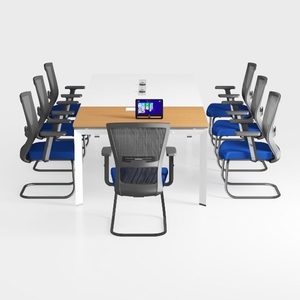
VINGLI Folding Chairs All Steel Metal Frame
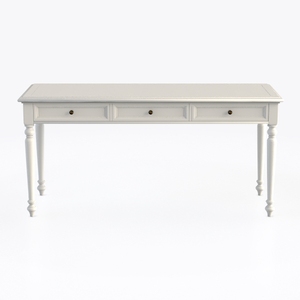
Classic White Solid Wood Three Drawer Writing Desk 3D Model
Homestyler offers an easy-to-use online home design tool with stunning 3D renderings, inspiring design projects, and helpful DIY video tutorials. It’s perfect for anyone looking to create and visualize beautiful interior spaces effortlessly.
Design Now for FREE
































