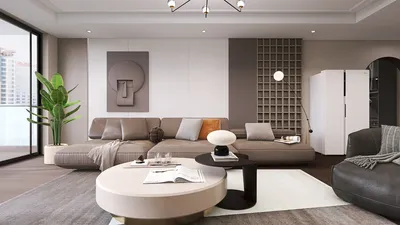


As new Xbox Game Pass games continue to expand the horizons of digital entertainment, many gamers are seeking comfortable and functional spaces that enhance their immersive experience. Creating a dedicated gaming nook with ergonomic seating and smart lighting can transform any room, blending technology seamlessly with home design to support extended play and relaxation. Tools like Homestyler allow users to creatively design and visualize these personalized gaming environments, ensuring both style and comfort are optimized for long gaming sessions.
Executive Summary
Modern living rooms have transcended the era of static mood boards and uncertain decisions. Thanks to AI-powered design platforms, homeowners and designers can swiftly craft realistic modern living room concepts—experimenting with layouts, materials, color schemes, and furniture arrangements—long before purchasing a single item. This fusion of clean lines, functional spatial planning, and technology-driven visualization empowers you to create spaces that harmonize comfort with contemporary style.
This article dives into the fundamental principles of modern living room design, covering everything from sofa and TV wall positioning to layered lighting and material choices. It also showcases practical AI-generated prompts, explores four popular modern style variants (minimalist, warm modern, luxury modern, and apartment modern), and outlines a hands-on workflow using AI home design tools like Homestyler to bring concepts to fruition. Whether initiating a fresh design or revamping an existing space, employing an AI design workflow eliminates guesswork and fosters confident creativity.
What Defines a Modern Living Room
A modern living room is more than just a space housing a sofa and television. It embodies intentional design philosophies emphasizing clarity, functionality, and subtle visual appeal. Grasping these core principles is essential before engaging any AI design tool.
Often confused with "contemporary" or ultra-minimalism, modern design traces its roots to the early-to-mid 20th century and champions warmth through tactile materials rather than excessive patterns. A well-designed modern room evokes calmness rather than sterility.
Layout Guidelines: Sofa, TV Wall, and Traffic Flow
Successful living room layouts depend heavily on spatial logic. While AI can propose arrangements, supplying realistic constraints yields superior outcomes.
A prevalent error is pushing all furniture against walls. Instead, modern layouts suggest:
The TV wall usually serves as the natural focal point, purposefully integrated rather than neglected:
In open-plan residences, the living room shares space with dining, kitchen, or entry zones. AI visualization excels in testing zoning strategies quickly:
Materials and Finishes for Modern Living Rooms
Material choices define the sensory experience of a room. In modern design, materials perform the visual and tactile roles traditionally carried out by patterns and adornments.
Typically, modern color palettes remain controlled:
Accent colors should appear in no more than three locations; fewer can seem accidental, while more dilute their impact.
Lighting: The Three-Tiered Approach to Modern Living Room Illumination
Lighting greatly influences modern living rooms; one overhead fixture rarely suffices.
When instructing an AI tool, specify the desired lighting atmosphere. Descriptions like "warm layered lighting featuring a linen-shade floor lamp and subtle ceiling spots" generate more precise results than generic "well-lit room."
Four Distinct Modern Living Room Styles with AI Prompts
AI-powered design shines in exploring style variants without repainting walls or moving furniture. Here are four popular modern styles, each with example AI prompts adaptable to platforms including Homestyler’s photo-to-render capabilities.
Essential yet warm; every element earned its place.
Features include low-profile furnishings, concealed storage, a monochrome base, one texture-rich highlight, and zero clutter.
Sample AI prompt:
The most inviting modern style—greige hues, soft textures, and organic forms.
Features include bouclé or linen upholstery, rounded furniture edges, warm woods like walnut or teak, layered textiles, and sculptural lighting.
Sample AI prompt:
Luxurious materials and bold scale without veering ornate.
Features comprise marble surfaces, brass or brushed gold accents, large artwork, statement lighting, velvet or leather seating, and floor-to-ceiling drapery.
Sample AI prompt:
Tailored for small spaces — efficient, airy, and strategically scaled.
Features include floating furniture, mounted storage, mirrors to amplify light, compact seating, and multi-functional pieces.
Sample AI prompt:
AI-Driven Workflow: From Photograph to Modern Living Room Concept
This practical workflow mirrors how users implement AI tools for modern living room design:
Capture a bright photo of your living space from the main entrance, removing any visible disorder. Clear input images allow AI engines to better analyze room structure.
Before generating designs, list down:
Leverage AI design tools to produce 5–10 variations, tweaking prompts by substituting keywords like "minimalist" with "warm modern," adjusting accent hues, or altering sofa orientation. Save all outputs for comparison.
Evaluate AI results with this checklist:
Select your favored design and identify 3–5 impactful modifications to prioritize:
Common Pitfalls to Avoid
Despite sophisticated AI visuals, some recurring mistakes arise during real-world implementation:
FAQ
Q: Can AI tailor a modern living room design to specific room dimensions?
Absolutely. Many AI tools accept room photos or exact measurements as input and generate visualizations that respect architectural details, window placements, and proportions. Clear parameters enhance output quality. Dedicated AI design platforms, including Homestyler, outperform generic image generators for accuracy.
Q: How do modern and contemporary living room designs differ?
Modern design reflects a distinct historical style from the early-to-mid 20th century characterized by clean lines, natural materials, and functional shapes. Contemporary design denotes current trends and evolves continuously. A modern room remains faithful to its foundational principles; contemporary design shifts with the times.
Q: How can I make a modern living room feel warm instead of cold?
Combine textures like smooth leather or linen with bouclé, wool, or knitted fabrics. Utilize warm lighting (2700K–3000K). Incorporate medium-toned woods such as walnut or teak rather than pale ash. Introduce organic shapes like curvy sofas or round coffee tables to soften angular lines. The "warm modern" style addresses precisely this balance.
Q: Can I integrate modern design with my existing furniture?
Yes. The modern aesthetic pairs nicely with select vintage or inherited pieces. Keep about 70–80% of the space in a consistent modern style, allowing 20–30% for individuality through antiques or heirlooms. AI visualization tools like Homestyler help preview how current items blend before final choices.
Q: Is AI-driven modern living room design appropriate for renters?
Definitely. Renters often face restrictions on floors, walls, or fixed lighting. AI tools make it feasible to explore options within these limitations—testing rugs, floor lamps, furniture rearrangement, or removable finishes. The "apartment modern" style is especially suited for compact, non-permanent setups.
Q: How many accent colors suit a modern living room?
Ideally, one primary accent color used in two or three spots, paired with a secondary accent like black or brass in subtle amounts. Using more than two accent colors can create an eclectic rather than modern feel. The neutral base should cover roughly 70% of visible surfaces.
Next Steps: Start Designing Your Modern Living Room
By now, you have grasped design principles, layout guidelines, material selections, lighting schemes, and prompt templates ideal for commencing a modern AI-assisted living room design journey. The fastest way forward combining clarity and creativity is to use them together—platforms like Homestyler make this process intuitive, transitioning from inspiration to a personally tailored space you'll cherish daily.
Modern design rewards deliberate choices, and AI tools reward precise input. Together, they transform inspiration into an experience you will enjoy for years to come.


Cartoon Rainbow Heart Shaped Kids Bench 3D Model

Modern White Solid Wood Glass Door TV Stand Cabinet With Gold Hardware 3D Model

Minimalist White Textured Metal Leg Sideboard 3D Model
Homestyler offers an easy-to-use online design tool with stunning 3D renderings, a vast collection of interior projects, and helpful DIY video tutorials—making it simple and fun to create your perfect home design.
تصميم الآن مجانا
































