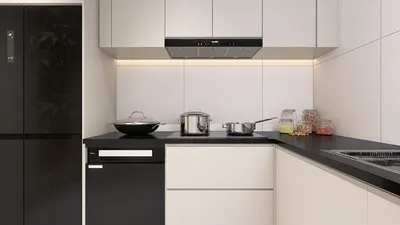


In today’s connected homes, the integration of a versatile TV app transforms how we interact with our living spaces. As streaming services become central to entertainment routines, designing a cozy media nook with ergonomic seating and adjustable lighting enhances both comfort and viewing experience. Thoughtful spatial planning ensures that technology blends seamlessly with home aesthetics, creating an inviting area tailored for relaxation and digital enjoyment. Incorporating advanced tools such as Homestyler can further streamline the design process, enabling users to visualize their perfect media area before implementation.
Direct Answer
3D computer modeling involves creating a digital, three-dimensional representation of objects or spaces utilizing specialized software. This technology allows designers to preview shapes, materials, lighting, and spatial relations prior to physical construction. It has become a foundational method in architecture, interior design, gaming, and product development, aiding the transition from idea to tangible reality.
Quick Takeaways
Introduction
Over a decade ago, interior design presentations largely relied on sketches and mood boards. Nowadays, almost every significant design project commences with 3D computer modeling. Whether renovating a small apartment or developing a residential complex, clients anticipate viewing their future spaces rendered with realistic detail before any construction begins.
Understanding 3D computer modeling is no longer exclusive to engineers or game developers. Professionals such as architects, product designers, interior decorators, and marketing teams utilize this technology to clearly convey concepts. This guide aims to explain the workings, applications, and practical insights gained from real-world use of 3D modeling.
What Is 3D Computer Modeling
Key Insight: 3D computer modeling converts design concepts into digital objects that can be viewed, modified, and examined from any perspective.
Fundamentally, 3D computer modeling involves creating mathematical representations of objects within software environments. These models define surfaces, edges, depth, scale, and structural elements. Unlike flat drawings, the inclusion of spatial data enables designers to simulate lighting, movement, and realistic proportions.
Common industries utilizing 3D modeling include architecture, interior design, product development, animation, and gaming.
Specifically in interior design, 3D models assist clients in understanding layout decisions like furniture scale, light placement, and circulation areas. Throughout my projects, I have observed faster client approvals when presenting realistic models instead of traditional technical drawings.
How Does 3D Computer Modeling Actually Work
Key Insight: Every 3D model incorporates geometric data outlining surfaces, vertices, edges, and materials.
Although the final renderings appear lifelike, the underlying structure is essentially geometric. Designers build shapes by connecting digital points and surfaces to form the structure of the object.
The typical workflow includes creating geometry, applying materials, setting lighting, and rendering images.
Popular software such as Blender, SketchUp, 3ds Max, Rhino, and Cinema 4D follow these principles, differing mainly in user interface and rendering efficiency.
What Are the Main Types of 3D Modeling
Key Insight: The majority of professional 3D models fall into three main categories: polygon modeling, NURBS modeling, and parametric modeling.
Each modeling approach addresses distinct design requirements.
For instance, architectural tools like Revit use parametric modeling, enabling automatic updates of related elements when dimensions change.
Why 3D Modeling Is Essential in Architecture and Interior Design
Key Insight: 3D modeling significantly diminishes misunderstandings between designers, clients, and contractors during the design process.
Miscommunication often causes delays and errors in construction projects. While floor plans may confuse clients, 3D models clarify design intent immediately.
From my experience, employing 3D computer modeling enhances project outcomes by improving visualization, accelerating approvals, and facilitating collaboration.
Today, many architectural firms prioritize 3D models as the primary design document rather than optional visual aids.
What Mistakes Beginners Make in 3D Computer Modeling
Key Insight: Novices often prioritize visual effects over the model’s structural accuracy, resulting in cluttered or unusable files.
I have reviewed numerous junior designers’ portfolios and found recurring issues related to modeling practice.
Typical beginner errors include lack of attention to clean geometry, incorrect proportions, and unnecessary complexity.
A structurally sound model with accurate scale consistently yields better results than a heavily detailed but poorly organized one.
Answer Box
3D computer modeling empowers designers to craft precise digital representations before actual production begins. This practice enhances visualization, mitigates design mistakes, and promotes interdisciplinary collaboration across architecture, engineering, gaming, and product design sectors.
Is 3D Modeling Difficult to Learn
Key Insight: Though the foundational concepts of 3D modeling are accessible, developing spatial reasoning skills requires practice.
Beginners can grasp basic modeling techniques within a few weeks, but mastering design intuition takes longer.
Effective learning steps include starting with simple projects and gradually increasing complexity.
Many seasoned designers gain proficiency through hands-on experience rather than formal education.
Final Summary
FAQ
What is 3D computer modeling used for?
3D computer modeling creates digital representations of objects and environments, extensively employed in architecture, product design, animation, gaming, and engineering visualization.
Is 3D computer modeling hard to learn?
Basic modeling skills are relatively easy to acquire; mastery demands consistent practice involving spatial design, lighting, materials, and rendering techniques.
Which software is best for 3D modeling?
Widely-used tools include Blender, SketchUp, 3ds Max, Rhino, and Cinema 4D. The best option depends on specific needs such as architectural design, animation, or product modeling.
Do architects use 3D computer modeling?
Yes, most architectural firms heavily rely on 3D modeling for visualization, layout analysis, and communicating designs to clients and contractors.
What is the difference between 3D modeling and rendering?
3D modeling defines the object’s structure, while rendering produces the final image by applying lighting, materials, and camera settings.
How long does it take to create a 3D model?
Creating simple objects may take minutes, whereas intricate architectural or detailed product models can require hours or days depending on complexity.
Can beginners start learning 3D computer modeling?
Absolutely. Many novices begin with free platforms like Blender or SketchUp, gradually advancing to sophisticated modeling techniques.
Is 3D modeling useful for interior design?
Definitely. 3D computer modeling enables interior designers to preview layouts, materials, lighting, and furniture arrangements well before construction begins, often facilitated by intuitive platforms like Homestyler.
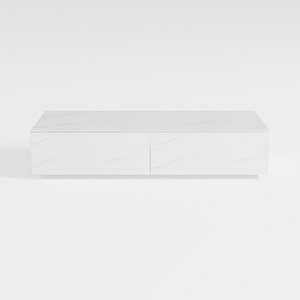

Modern Minimalist Faux Marble Coffee Table with Storage Drawers 3D Model

Minimalist White Fabric Tufted Large Sofa 3D Model
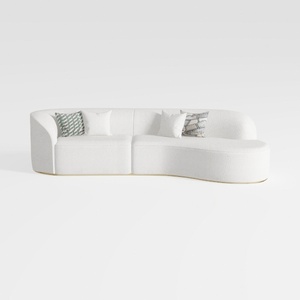
Minimalist Boucle Fabric Curved Sectional Sofa 3D Model
Homestyler offers an easy-to-use online design tool, impressive 3D renderings, and a vast collection of interior projects. With helpful DIY video tutorials, it’s perfect for turning your home design ideas into reality quickly and beautifully.
Дизайн сейчас бесплатно
































