

Direct Answer
The quickest way to achieve superior outcomes in home design simulation games involves treating each room as a genuine design project. Start by planning the layout prior to placing furniture, maintain a restrained color scheme, and invest in structural upgrades before adding decorative elements. Players who emphasize flow, proportional furniture sizing, and strategic enhancements tend to advance more rapidly.
Quick Takeaways
Introduction
At first glance, home design simulation games appear straightforward: arrange furniture, embellish rooms, and earn rewards. However, experienced players notice that two rooms furnished similarly can achieve vastly different scores.
Having spent over ten years working on real-life interior design projects, I've found these games surprisingly authentic in one particular aspect: the importance of layout decisions outweighs decoration choices. Many users concentrate on purchasing stylish furniture while overlooking the spatial logic governing the room.
Applying real-world design principles—considering traffic patterns, color harmony, and furniture proportions—within simulation games significantly boosts player scores and progress.
For those experimenting with digital layouts beyond gaming, software like Homestyler enables visualization of room plans before committing to furniture setup, thereby enhancing spatial awareness.
This article outlines effective strategies to consistently improve results in home design games, covering layout organization, resource optimization, and common pitfalls beginners should avoid.
Understanding Game Mechanics in Home Design Simulators
Insight: Top performers excel because they comprehend the underlying scoring criteria, not merely by acquiring pricey items.
Most design simulators employ concealed scoring metrics that reward equilibrium, thematic consistency, and functional space usage. Once these algorithms are understood, designs tend to achieve better ratings quickly.
Common mechanisms include symmetry in layouts, coherent themes, and effective use of space.
This mirrors real interior design where room success depends on compatible furniture scales, traffic flow, and visual balance—qualities simulation games emulate well.
Savvy players track which items or categories routinely receive high scores and build their furniture collections accordingly.
How to Plan Room Layouts More Efficiently
Insight: Thoughtful layout planning yields superior scores compared to mere decorative enhancements.
A frequent error is haphazard furniture placement, followed by tweaks. Professional designers reverse this by prioritizing layout before decoration.
Consider this layout-first approach before adding decor:
This method echoes authentic interior design planning, making subsequent styling choices more effective and straightforward.
Practicing layout design with 3D planning tools, such as Homestyler, enables rapid testing of furniture arrangements and enhances problem-solving skills in design challenges.
Using Color and Furniture Combinations Strategically
Insight: Restricting color palettes enhances visual cohesion and improves scores.
One unexpected lesson from real-world projects is that fewer colors often lead to superior results.
Novices frequently attempt to use every unlocked item, which creates visual clutter and undermines theme integrity.
A trusted color distribution formula used in homes and games alike is the 60–30–10 rule:
This technique fosters balanced aesthetics recognized and rewarded by scoring systems and players.
An additional strategy employed by experienced gamers is grouping materials—ensuring furniture surfaces share similar textures or finishes.
Even simple pieces appear intentional when their materials coordinate well.
Managing In-Game Currency and Resources
Insight: Allocating resources towards unlocking structural improvements rather than early decoration expedites overall progress.
Many players inadvertently hinder themselves by investing too soon in decorative items that offer limited long-term benefit.
Instead, prioritize investments in:
These upgrades provide versatile benefits across various design challenges, unlike single-room aesthetic purchases.
Progression mechanics favor adaptability and design flexibility over costly individual items.
Unlocking More Design Options Faster
Insight: Side quests and optional missions often unlock furniture collections more rapidly than main storylines.
Players bypassing these opportunities usually advance at a slower pace.
A common efficient workflow involves:
Beyond the game, tools such as Homestyler that generate numerous design variants instantly help players grasp the extent of possible layouts from a single floor plan.
The greater the unlocked design options, the easier it becomes to align room themes to challenges.
Common Beginner Mistakes in Home Design Games
Insight: Most low scores stem from imbalanced layouts rather than poor decorative choices.
After reviewing countless gameplay screenshots across design communities, recurrent errors persist.
Typical missteps include overcrowding rooms and ignoring spatial breathing space.
A frequently overlooked design concept is negative space; leaving open areas around furniture enhances the perceived room quality.
Professional designers habitually apply this, ensuring spaces feel deliberate rather than cluttered.
Answer Box
The most impactful strategy in home design simulation games emphasizes prioritizing room structure before decorative elements. Balanced furniture arrangement, limited color schemes, and thoughtful use of resources are proven to elevate scores and speed up advancement.
Final Summary
FAQ
1. What are the top beginner tips for home design games?
Begin with floor plan organization, restrict color palettes, and unlock categories before buying decorations.
2. How can I enhance designs in simulation games?
Concentrate on furniture proportion, spacing balance, and thematic cohesion instead of acquiring the costliest pieces.
3. Why do some rooms achieve higher scores?
Most scoring systems assess layout symmetry, theme alignment, and functional furniture positioning.
4. What methods help earn resources faster in these games?
Participating in daily tasks, timed events, and optional objectives usually yields quicker rewards.
5. Do luxurious items guarantee better scores?
Not necessarily; layout harmony and thematic consistency often have more influence than item price.
6. What common error do players make in interior design games?
Overfilling spaces with excessive decor.
7. How do professionals approach layout planning?
They arrange major furniture first, define focal points, and preserve pathways for movement.
8. Can home design game strategies apply to real-life interiors?
Indeed, many principles such as color harmony and scale are remarkably alike.
References
Interior Design Handbook by Frida Ramstedt
National Kitchen and Bath Association Design Guidelines
Meta Title: Tips to Excel in Home Design Simulation Games
Meta Description: Discover actionable strategies to improve your scores and progress faster in home design simulation games by mastering layout planning, color coordination, and efficient resource use.
Meta Keywords: home design game tips, simulation design strategies, interior layout techniques, home design progression guide, Homestyler
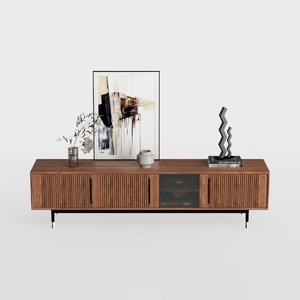

Modern Minimalist Walnut Fluted Door TV Cabinet 3D Model

Minimalist Fabric U Shaped Sectional Sofa 3D Model
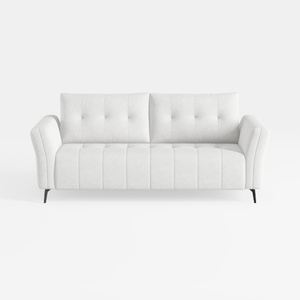
Minimalist Fabric Tufted Loveseat Sofa with Black Metal Legs 3D Model
Homestyler offers an easy-to-use online design tool with impressive 3D renderings, a vast collection of interior design projects, and helpful DIY video tutorials. It’s perfect for anyone looking to create and visualize beautiful home spaces effortlessly. Give your ideas life with Homestyler!
지금 무료로 디자인하세요
































