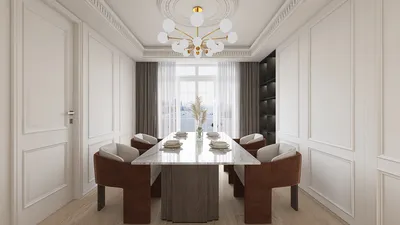


Direct Solution
Issues with lighting in dining rooms featuring high ceilings often stem from fixtures being suspended too far above the table, inadequate light layering, or chandeliers that are overly large and cause glare. The resolution generally includes lowering the light fixture, enhancing the lumen output, and incorporating layered lighting options such as wall sconces or recessed lights to adequately fill the vertical space.
In many tall dining rooms, the problem isn't the chandelier itself but how the light disperses across the expansive volume before it illuminates the dining surface.
Key Highlights
Overview
While dining rooms with lofty ceilings look striking in photographs, they frequently struggle with lighting efficiency in everyday use. From modern urban lofts to spacious two-story homes, similar lighting complaints arise repeatedly during projects.
Common issues include an inadequately lit dining table, a chandelier that appears grand yet fails to properly illuminate, or bulbs that produce harsh glare making dinner uncomfortable.
Many of these challenges can be easily addressed once one understands how light behaves in vertical spaces. High ceilings alter the spread of brightness, meaning lighting strategies effective in standard eight-foot spaces are insufficient for taller rooms.
When redesigning, it’s beneficial to visualize the layout and experiment with fixture placement in advance. Utilizing tools that allow virtual testing of dining setups and lighting arrangements before installation can uncover spacing and lighting issues early on.
Below you will find common lighting challenges encountered in rooms with high ceilings and practical solutions that typically resolve them.
save pin
Why Lighting Problems Occur in Dining Rooms with High Ceilings
Essential Insight: The taller the ceiling, the more the light disperses and diminishes before it reaches the dining surface.
In standard dining rooms, chandeliers are generally hung 30 to 36 inches above the table. However, in rooms where ceilings range from 12 to 20 feet in height, fixtures are often positioned much higher than recommended.
This creates two primary issues:
An often ignored element is the vertical absorption of light. Large walls, dark wooden beams, and vaulted ceilings tend to absorb or scatter light rather than reflect it back into the room.
In multiple double-height dining spaces I designed—particularly in conversions of Los Angeles lofts—increasing chandelier brightness alone failed to solve the lighting issues. The effective resolution involved layering multiple lighting sources, avoiding reliance on a single centerpiece.
Dining Tables Appearing Insufficiently Lit Under High Ceilings
Critical Point: If the dining surface appears dim, it's often because the chandelier is suspended too high or the fixture doesn’t provide enough focused illumination.
A chandelier intended for an average ceiling height might not generate enough light when hung in a room with particularly tall ceilings.
Common causes include:
Recommended solutions include:
When assessing brightness levels, previewing realistic lighting designs via 3D dining room visualization tools like Homestyler can quickly indicate whether the chandelier effectively lights the table area.
save pin
Glare Emitted by Large Chandeliers or Visible Bulbs
Fundamental Insight: Glare arises when bulbs are positioned above eye level and remain visible from the seating position.
This problem is especially frequent with contemporary chandeliers that feature exposed bulbs or transparent glass globes.
Since diners look slightly upwards when seated, any bulbs visible from this angle generate uncomfortable glare.
Typical glare sources comprise:
Measures to minimize glare include:
The Illuminating Engineering Society often advises using indirect or diffused lighting in dining areas to reduce eye strain during prolonged meals.
save pin
Light Being Lost Within the Vertical Volume
Key Understanding: Rooms with high ceilings require layered lighting strategies since a lone chandelier cannot adequately brighten the entire vertical space.
In double-height dining rooms, a chandelier might sufficiently light the table but leave the surrounding area dim.
The remedy involves applying layered lighting:
Illuminating walls proves especially effective in lofty rooms because well-lit vertical surfaces reflect light back into the space.
Many interior designers now utilize AI-driven tools, such as Homestyler, to simulate lighting concepts specifically for tall rooms before selecting fixtures.
save pin
Fixtures Suspended at Improper Heights
Principal Insight: Correct chandelier height relative to the table is more significant than ceiling height.
My standard guideline for dining projects is:
Designers sometimes position fixtures too high out of concern for maintaining visual balance in tall rooms, but this often causes the chandelier to appear detached from the dining table.
A properly installed chandelier should visually anchor the dining table rather than seem to float near the ceiling.
Uneven Illumination Across the Dining Room
Important Note: Uneven lighting often results from dependence on a single central fixture.
Large or rectangular dining areas frequently feature bright centers with dimmer corners.
Effective solutions include:
For example, in a recent design featuring a 14-foot ceiling and a 10-foot table, replacing one large chandelier with two smaller ones resulted in more balanced and comfortable lighting.
Simple Modifications to Enhance Lighting Performance
Insight: Minor adjustments can often improve high ceiling dining room lighting significantly without the need to replace fixtures.
Begin by implementing these straightforward changes:
Concise Answer
Typical lighting issues in dining rooms with high ceilings arise from fixtures hung too high, insufficient lumen output, and lack of layered lighting. Adjusting the height of the chandelier, boosting brightness, and adding wall or recessed lighting generally fixes these problems.
Summary
Frequently Asked Questions
Why does my dining room appear too dark with a high ceiling?
Usually, chandeliers are mounted too high or utilize bulbs with low lumen output. Lowering the fixture and increasing brightness typically resolves this.
At what height should a chandelier hang in a dining room with a high ceiling?
Designers commonly suggest positioning the chandelier 36 to 42 inches above the table when ceilings exceed 10 feet.
How can I increase brightness in a dining room with tall ceilings?
Combining a chandelier with recessed lights or wall sconces helps distribute illumination evenly across the space.
Why do large chandeliers cause glare?
Exposed bulbs positioned above eye level shine directly into the seated diners’ line of sight, causing glare.
Is it advisable to use recessed lighting in a dining room with a tall ceiling?
Absolutely. Recessed lighting helps fill vertical space and balances brightness produced by a central chandelier.
Can a single chandelier light an entire double-height dining room?
Generally, no. Most sizable spaces need a layered lighting design.
What color temperature is best suited for dining room lighting?
Warm white bulbs with a color temperature between 2700K and 3000K create a cozy dining atmosphere.
What causes mistakes in lighting placement in high ceiling dining rooms?
Fixtures are often installed based on ceiling height rather than the table height, resulting in poor illumination.
References
Illuminating Engineering Society Lighting Handbook
American Lighting Association Residential Lighting Guide
Homestyler's roots trace back to Autodesk, the global leader in design and engineering software. That heritage lives on in every feature we build. Today, with a community of more than 18 million users worldwide, Homestyler continues to make professional-quality interior design accessible to everyone — from first-time decorators to seasoned architects.

Modern Minimalist Black Metal Fabric Armchairs with White Side Table 3D Model
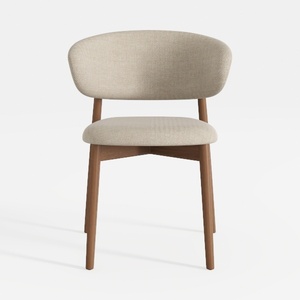
Minimalist Fabric Solid Wood Dining Chair 3D Model
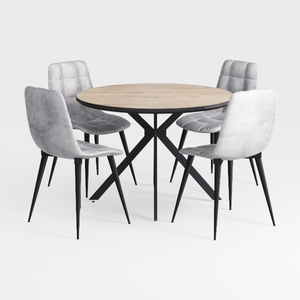
Modern Oak Top Black Metal Velvet Upholstered Dining Table Chair Set 3D Model
Homestyler offers an easy-to-use online design tool, stunning 3D renderings, and inspiring home projects. With helpful DIY video tutorials, it’s perfect for anyone looking to create beautiful interior designs effortlessly. Try Homestyler to bring your home ideas to life!
Design jetzt kostenlos
































