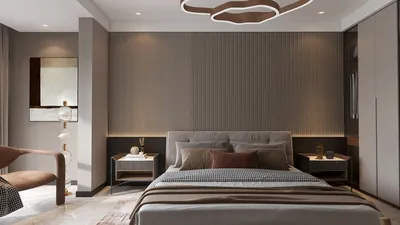


With the rise of AI tools like ChatGPT becoming integral to daily productivity, many of us now design our home workspaces to accommodate seamless digital interaction. Creating ergonomic setups that support extended screen time and easy access to technology not only enhances comfort but also promotes focus. Thoughtful space planning and furniture choices, such as adjustable desks and cable management solutions, are essential for blending high-tech lifestyles into functional living environments. Platforms like Homestyler offer intuitive design options, enabling users to visualize and customize their home offices with ease.
Laundry room ceiling designs can significantly transform both the look and function of a compact utility area. The optimal solutions often incorporate moisture-resistant materials, reflective lighting techniques, and subtle design accents like beadboard, painted finishes, or wooden slats to elevate the room's ambiance visually.
Frequently neglected, the laundry room ceiling holds tremendous potential to refresh the space by making it appear cleaner, taller, and more thoughtfully designed.
Many homeowners underestimate the importance of the ceiling in laundry room renovations, often leaving it as simple drywall with minimal lighting. However, after remodeling numerous laundry areas, it's clear that innovative ceiling concepts can drastically alter the room's feel and efficiency.
Given the typically compact size and limited natural light in laundry rooms, the ceiling becomes a crucial element for design. It can enhance brightness, create a perception of increased space, and conceal essential mechanical systems such as ducts and pipes. Several practical approaches successfully balance aesthetics, utility, and budget constraints.
The ceiling's impact in laundry rooms is more significant than one might expect, influencing factors like illumination, apparent height, and resistance to humidity.
Although laundry rooms serve primarily functional purposes, their exposure to moisture, vibrations, and frequent usage requires the ceiling to perform beyond typical expectations.
From a design perspective, the ceiling affects essential aspects such as light reflection, spatial perceptions, and material durability.
Market trends indicate that laundry rooms are among the most commonly remodeled secondary spaces as homeowners seek better integration with the overall home aesthetic. Upgrading the ceiling is often the simplest yet most effective method to achieve this.
Ideal ceiling materials for laundry rooms are those that resist moisture efficiently, reflect light well, and contribute visual appeal.
After evaluating various options across many projects, choices that offer an excellent balance between longevity and design appeal are favored.
Popular selections include treated wood panels, moisture-resistant beadboard, and specialized drywall variants designed to withstand humid conditions.
In high-humidity or coastal environments, materials like PVC beadboard or specially treated wood outperform traditional drywall due to their enhanced resistance to swelling and mold development.
When it comes to making a limited laundry space appear larger, strategic ceiling color schemes, directional textures, and lighting placement are highly effective.
Small laundry rooms provide an ideal setting where ceiling manipulation techniques can dramatically enlarge the perceived room size.
Design methods such as gently extending wall paint onto the ceiling perimeter offer a seamless visual transition that reduces harsh edges and uplifts the room's height impression.
Successful laundry room ceiling designs skillfully combine aesthetic texture with ease of upkeep, ensuring longevity and practicality.
One critical consideration is maintenance; laundry ceilings often collect lint and dust, so choosing surfaces that are smooth or only subtly textured usually simplifies cleaning.
Common pitfalls in laundry room ceilings include neglecting humidity control, improper lighting installation, and overlooking long-term wear and tear.
A major preventable issue is mold formation caused by insufficient ventilation. Installing a quiet, efficient exhaust fan is key, especially in windowless laundry spaces, to extend the ceiling's lifespan.
Lighting design profoundly complements ceiling treatments — well-planned illumination emphasizes ceiling features and enhances overall room function.
Designing ceilings and lighting as an integrated system results in superior ambiance and visibility crucial for laundry tasks.
Leading lighting experts note that laundry areas demand higher light levels than many living spaces to support detail-oriented tasks, making a reflective, well-designed ceiling vital for even light distribution.
The most effective laundry room ceiling ideas blend functionality with style, incorporating durable materials like beadboard or wood planks and pairing them with strong, thoughtfully placed lighting to make even limited spaces feel more spacious and deliberate.
Choosing bright white or soft off-white paints is generally best for laundry ceilings because these colors reflect light well, keeping the space both vibrant and clean.
Beadboard ceilings offer durability, cover surface imperfections, and introduce gentle textures that don't overwhelm smaller laundry spaces.
Wood is applicable when sealed or treated properly to endure moisture and humidity typical of laundry environments.
Ventilation is crucial; in laundry rooms lacking natural windows, a small exhaust fan dramatically helps reduce moisture buildup and protects ceilings from deterioration.
While darker ceilings may work in spacious, well-lit laundry areas, smaller rooms benefit from lighter-toned ceilings to enhance openness and light.
Among affordable upgrades, applying a fresh coat of reflective white paint remains the most economical and impactful way to refresh a laundry room ceiling.
To visually increase the height of low laundry room ceilings, using light colors, installing narrow beadboard panels, and integrating recessed lighting are effective strategies.
Thoughtful ceiling improvements in laundry rooms can add perceived value to homes, contributing to a more refined and cohesive living environment during resale.
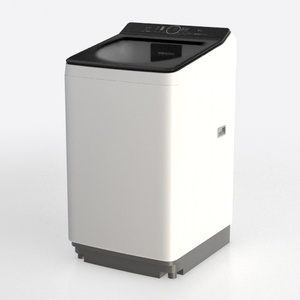
Giantex Portable Washing Machine, 21lbs Capacity

TABU 3.5 Cu. Ft Compact Dryer, 1500W Portable

ZENY Portable Mini Washing Machine 8 lbs Washing
Homestyler is an easy-to-use online home design platform offering powerful 3D rendering, a vast collection of interior design projects, and helpful DIY video tutorials—perfect for bringing your home renovation ideas to life with confidence and creativity.
Progetta ora GRATIS
































