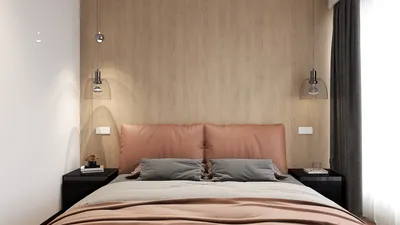


As summer approaches, many embrace new trends like the 2026 nail styles to refresh their personal look. This seasonal focus on self-expression naturally extends to living spaces, where vibrant colors and innovative textures can inspire home decor choices. Incorporating bold hues and playful patterns in furniture and accessories allows your space to reflect the same renewed spirit that summer fashion trends encourage.
Direct Answer
The cost of interlock roofing usually ranges from $9 to $18 per square foot installed, influenced by factors like material quality, roof intricacy, and labor expenses. Although the initial outlay is more than that of asphalt shingles, interlock metal roofs tend to last between 40 and 70 years, requiring considerably less upkeep. For many homeowners, this translates to a lower overall expense over the roof's lifespan. Utilizing tools such as Homestyler can help visualize how these roofing choices complement your home's aesthetic, enhancing both function and style.
Quick Takeaways
Introduction
In my decade of experience working on residential projects throughout California, one roofing upgrade that frequently captures homeowners’ attention is interlock roofing. This interest often begins when replacing shingles every 15 to 20 years leads homeowners to seek more durable, cost-effective alternatives.
That’s typically when interlock roofing becomes a topic of discussion.
Understanding the costs associated with interlock roofing requires looking beyond just price per square foot. Installation complexity, roof lifespan, structural needs, and hidden expenses—often overlooked by typical online resources—all matter. I’ve collaborated with contractors, architects, and clients on many projects where selecting interlock roofing significantly impacted long-term maintenance and resale value. This guide explores these cost drivers and offers insight into assessing if interlock roofing is a wise investment for your residence.
What Is Interlock Roofing and Why Does It Cost More?
Essential Insight: The higher price of interlock roofing stems from its engineered metal panels designed to mechanically interlock, resulting in a sturdier and longer-lasting roofing system.
Unlike standard shingles that overlap loosely, interlock panels snap or lock together, greatly enhancing resistance against wind uplift, moisture penetration, and thermal expansion.
Common materials for interlock roofing include:
Though these metals generally cost more than asphalt, the primary reason for increased expenses lies in the precise manufacturing and meticulous installation required.
Organizations such as the Metal Roofing Alliance emphasize that metal roofs, when installed correctly, can last two to three times longer than asphalt shingles. This durability justifies the seemingly higher upfront cost by offering better performance over decades.
How Much Does Interlock Roofing Cost per Square Foot?
Key Point: Typical installations of interlock roofing fall within the $9 to $18 per square foot range, varying by location and roof design complexity.
Based on real project data, pricing generally breaks down as follows:
For an average roof size of 2,000 to 2,500 square feet, the estimated cost usually translates to:
Labor costs specific to each region affect final prices considerably. Coastal cities and large metropolitan areas tend to incur higher labor expenses, pushing costs toward the upper end.
What Factors Increase Interlock Roofing Expenses?
Key Consideration: The complexity of the roof's design often adds more to the cost than the price of materials themselves.
While many homeowners concentrate on material prices, my experience with several renovation budgets shows that several other factors can substantially elevate total costs, such as:
One frequently overlooked aspect is ventilation enhancement. Contractors often suggest upgrading ridge vents or attic airflow alongside metal roofing installation. Though this may slightly raise the budget, it contributes to improved energy efficiency.
Is Investing in Interlock Roofing Worth the Larger Upfront Cost?
Insight: Over a 40-year span, interlock roofing can be more economical since it generally lasts two to three times longer than asphalt shingles, avoiding multiple replacements.
Here is a simplified long-term comparison that I share with clients during planning:
This means a homeowner might replace an asphalt roof several times during the lifetime of a single interlock roofing system.
Additional long-term advantages include:
Real estate agents often mention that durable roofing materials enhance buyer confidence during inspections and can contribute to faster property sales.
Common Hidden Costs Often Missed by Homeowners
Crucial Insight: The most significant budget surprises don’t come from the roofing panels but rather from accessories and preparatory work.
Common unexpected costs include:
On older houses, replacing the decking can add thousands of dollars if moisture damage is found during tear-off. Reliable contractors typically inform clients about this risk before work begins.
How to Lower Interlock Roofing Installation Costs
Strategic planning can trim interlock roofing expenses by 10 to 20 percent without reducing quality.
From numerous projects I’ve overseen, key strategies to reduce costs include:
Another useful recommendation is to prioritize skilled installers. Poor installation can compromise the interlocking mechanism, leading to costly repairs. Investing in experienced professionals upfront saves money in the long haul.
Summary Answer
Although interlock roofing is pricier upfront compared to traditional roofing materials—generally $9 to $18 per square foot installed—its remarkable durability, longevity, and minimal maintenance requirements often make it more cost-effective over several decades. Tools like Homestyler help visualize these benefits in home remodeling projects, aiding in informed decisions.
Final Summary
FAQ
How long does interlock roofing last?
Most interlock roofing systems have a lifespan of 40 to 70 years, depending on the material quality and installation.
Is interlock roofing more expensive than conventional shingles?
Yes, interlock roofing is more costly initially but usually endures two to three times longer than asphalt shingles.
What is the average cost for interlock roofing on a typical house?
Costs typically range from $18,000 to $45,000 for an average residential installation, based on roof size and complexity.
Does interlock roofing increase home value?
Durable metal roofing materials often heighten buyer confidence during inspections and can improve property resale value.
Is interlock roofing noisy during rain?
When paired with proper insulation and underlayment, interlock metal roofs are generally no noisier than traditional roofing.
Can interlock roofing be installed over existing shingles?
Some interlock roofing systems permit installation over existing shingles, but local building codes and roof conditions affect this possibility.
Is interlock roofing energy efficient?
Many metal roofing options reflect solar heat effectively, which can help reduce cooling expenses in warmer climates.
Does interlock roofing require maintenance?
Maintenance needs are minimal compared to shingle roofing, though routine inspections are still recommended to ensure longevity.
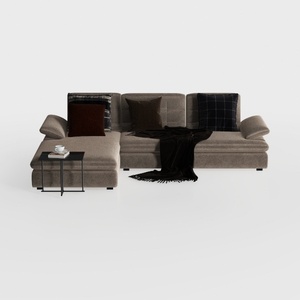

Modern Fabric L Shape Sectional Sofa With Throw Pillows Blanket 3D Model

Minimalist Black Velvet Sectional Sofa with Throw Pillows 3D Model
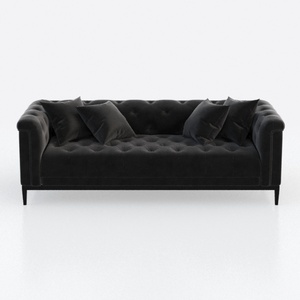
Black Velvet Tufted Contemporary Sofa With Throw Pillows 3D Model
Homestyler offers an easy-to-use online design tool with stunning 3D renderings, inspiring interior projects, and helpful DIY video tutorials. It’s perfect for anyone wanting to create and visualize beautiful home designs effortlessly.
تصميم الآن مجانا
































