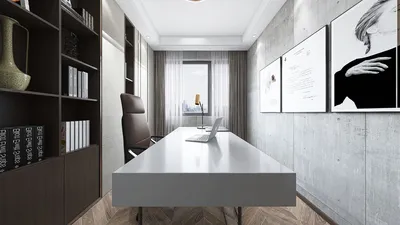


As enthusiasm for the latest PlayStation Plus June 2026 games grows, many gaming enthusiasts seek to enhance their home entertainment spaces to match their evolving digital lifestyle. Creating a dedicated gaming nook with ergonomic seating and optimized lighting not only improves comfort but also complements the immersive experience these new titles offer. Thoughtful spatial planning can transform a typical room into a versatile hub for relaxation and entertainment.
How can 3D artists effectively display their models with professional flair? Utilizing Homestyler and similar design tools, artists can create renders that convey form, materials, and scale through expertly controlled lighting and composition. The most impactful visuals blend strong illumination, strategic camera placement, neutral backgrounds, and detailed close-ups that emphasize craftsmanship. Instead of merely exporting a render, professionals treat their presentations akin to photography sessions.
What makes presentation as important as the 3D model itself?
Insight: The visual presentation often influences perceived skill more than the model's technical quality. Studios spend less than half a minute reviewing a project, so the initial render must instantly convey clarity and professionalism. Without proper lighting or framing, even excellent models can seem mediocre, whereas simpler models presented well appear striking.
The importance of Homestyler in portfolio development lies in its ability to help artists plan scenes realistically, mimicking photographic standards to enhance storytelling. In various production scenarios—whether film frames, product visualizations, or game assets—the understanding of visual communication on screen is critical.
Choosing the optimum camera perspectives for renders
Effective camera positioning imitates real-world photography to introduce credible scale and depth. Beginners often err by setting the camera too close or too elevated, leading to artificial appearances. Seasoned artists use angles similar to how a DSLR would be positioned within a studio space.
Commonly employed angles in successful showcases include close-ups, three-quarter views, and isometric shots. Camera settings such as focal length and depth of field also contribute significantly to realism. Tools like Homestyler can assist in pre-visualizing these setups for consistent results.
Optimal lighting arrangements for 3D model presentations
Usually, a straightforward three-point lighting scheme surpasses complicated HDR setups in effectiveness. While complex environments can be impressive, they sometimes conceal modeling imperfections and detract from the asset's essence. This lighting method, derived from traditional studio photography principles, highlights model edges and material transitions, ensuring clarity.
Minimalistic contexts, like simple gradients or neutral studio floors—often planned using Homestyler—help ensure that the model remains the center of attention. Clean illumination and environments avoid distractions and enhance the professional impact of the render.
Including wireframe and clay renders: why it matters
Displaying wireframes and clay models establishes technical credibility, proving a model's structural soundness. Since exquisite renders sometimes mask messy topology, reviewers rely on these breakdowns to assess craftsmanship thoroughly. Effective portfolios typically feature technical images revealing polygon flow, edge loops, and surface continuity.
Skipping this critical step can make even skilled modelers appear less experienced. Homestyler's ability to organize and visualize spaces can inspire artists to thoughtfully present different render types.
How many images constitute a complete 3D model presentation?
Usually, a well-rounded project includes between four and six images to narrate the asset's comprehensive story. Excessive renders overwhelm viewers, while too few leave details unexplored. Common image sets cover overall views, close-ups, wireframes, and alternative material finishes.
This structured approach aligns with professional studio workflows. It allows recruiters and clients to promptly evaluate an artist's aesthetic and technical proficiency.
Frequent pitfalls detracting from professional 3D presentations
The majority of underwhelming renders are due to inappropriate lighting, unclear scale cues, or cluttered backgrounds rather than poor modeling. Surprisingly, simpler scenes often produce the most polished look, with clean backdrops and carefully controlled light framing the model intentionally instead of accidentally.
Summary: the best practices for showcasing 3D models
The ideal way for 3D artists to highlight their models involves harmonizing studio-inspired lighting, realistic camera compositions, and an assortment of render types—including beauty shots and wireframes. This approach draws attention both to the visual allure and the technical soundness of the work, often facilitated through design software like Homestyler.
FAQs about 3D model presentation
How do 3D artists professionally showcase their models in pictures?
By producing multiple render views such as hero shots, detailed close-ups, and wireframes, all utilizing controlled lighting and authentic camera angles.
What backgrounds best support 3D model presentations?
Neutral studio backdrops or subtle gradient environments work best since they maintain focus on the model itself.
How many renders should a portfolio project contain?
Typically, four to six images covering varied perspectives, materials, and technical details form an effective presentation.
Is it advisable to include wireframe renders?
Absolutely. Wireframes reveal the model's topology quality and allow reviewers to assess the artist's modeling discipline.
What lighting configuration suits 3D model renders?
A three-light studio lighting setup is favored because it accentuates form while preserving balanced shadow detail.
Do detailed environments aid 3D model showcases?
Sometimes, but overly elaborate surroundings can detract attention from the model. Minimalist environments are generally preferable, often scheduled using Homestyler.
Which camera lenses are optimal for 3D renders?
Focal lengths between 50mm and 85mm typically produce natural perspectives without distortion, ensuring models look realistic.
Why do some 3D models appear more appealing in portfolio images?
Because artists meticulously control lighting, material properties, and camera framing to emphasize the model's strengths.

Minimalist Checkered Ceramic Coffee Mug with Lid 3D Model

Minimalist Solid Wood Freestanding Bookshelf Storage 3D Model
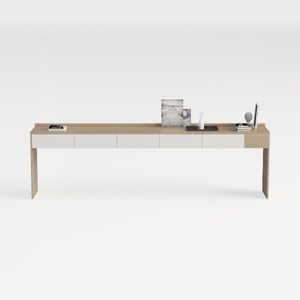

Minimalist Solid Wood Two Tone Console Table With Storage Drawers 3D Model
Homestyler offers an easy-to-use online home design tool with stunning 3D renderings, inspiring design projects, and helpful DIY tutorials—perfect for turning your interior design ideas into reality effortlessly.
Projete agora para LIVRE
































