


As more people embrace the convenience of steam machines for their daily cleaning and fabric care, incorporating dedicated spaces within our homes for such technology becomes essential. Designing a multifunctional laundry area that accommodates a steam machine not only enhances efficiency but also elevates the overall functionality of your living space. Thoughtful layout and proper ventilation ensure that these appliances integrate seamlessly into modern home environments.
Undertaking a bathroom remodel can become complicated when decisions are made in the wrong sequence. For example, choosing a particular tile might impact the wall thickness, relocating a shower could affect drainage systems, and installing a wider vanity might reduce the clearance around the toilet. Employing a practical bathroom remodel planner maintains coherence among these decisions before any demolition starts, which ensures a smoother renovation process.
This comprehensive guide illustrates how to effectively plan a bathroom remodel from the initial assessment through to handing over the project to contractors. It is specifically designed for homeowners creating detailed bathroom renovation plans, whether the project involves superficial updates or a complete overhaul of the room’s layout, and tools like Homestyler can assist greatly in visualizing these changes.
Start by defining the scope of your remodel
Before gathering product images or samples, compose a concise paragraph defining the scope of the project. Clearly state what aspects of the bathroom will be changed, which elements will remain, and what specific issues the remodel aims to address.
Bathroom renovations typically fit into one of three broad categories: cosmetic refresh, partial upgrade, or full-scale redesign. Precise boundary setting is critical. For instance, "replacing the shower" can entail demolition, wall refinishing, waterproofing, plumbing and drainage adjustments, new control systems, glass installation, tiling, and ventilation checks. A vague description can mask a cascade of additional tasks.
Record the anticipated outcomes in functional terms rather than style labels. Examples might be enhancing morning routines for two users, adding accessible storage options, replacing hard-to-clean enclosures, or creating safer bathing environments. These practical goals provide better guidance when compromises arise later in the project.
Conduct an accurate survey of the existing bathroom
Effective remodeling plans rely on a detailed survey of the current conditions rather than idealized floor plans. Measure the space thoroughly and document factors that may constrain design choices.
Create detailed sketches including measurements taken at multiple wall heights where surfaces may be uneven, and photograph all walls directly as well as close-ups of plumbing points, damaged surfaces, grout, stains, ventilation, and the cabinet area beneath the sink. Label these photos clearly for reference against the floor plan.
Do not dismiss visible signs of moisture, structural movement, corrosion, flooring weakness, or poor ventilation as mere aesthetic issues. Engage the appropriate specialists to investigate these concerns before finalizing layouts and finishes. While some hidden issues only become apparent after demolition, visible warnings must be recorded and addressed rather than concealed by new designs.
Prioritize must-have features over optional upgrades
A valuable bathroom renovation planner categorizes requests to clarify priorities beyond a simple wish list. Classify features into four groups based on necessity and preference.
Test each required feature against actual usage scenarios. For example, "double vanity" is a product request, but the real need might be "two people need simultaneous access to mirror and counter space." Alternatives such as longer single vanities, additional mirror stations, or enhanced storage solutions might satisfy this need with fewer spatial or budgetary drawbacks.
This method also helps reduce emotional stress during budget adjustments by ensuring essential outcomes are preserved first, followed by strong preferences, with optional features considered last.
Determine layout before selecting finishes
Layout decisions have the greatest impact as they govern circulation flow, fixture placement, service accessibility, and much of the construction process. Begin by comparing at least two different bathroom layout plans.
For every design option, examine door clearance, cabinet drawer and door swings, shower entrance ease, towel reachability, cleaning access, and space needed for comfortable movement and turning. Consider current and potential future users. A layout might appear symmetrical from a bird’s-eye view but could present practical usability issues, such as doors interfering with vanities, exposed toilets, or shower controls that require awkward positioning.
Engage plumbing professionals early to assess feasibility. Factors like toilet waste pipe routing, drain slopes, joist directions, slab composition, venting systems, and pipe access can limit seemingly simple fixture relocations. Mark any uncertainties and assign them for expert evaluation.
Construct your budget by project category rather than using arbitrary totals
Avoid beginning with a lump sum and indiscriminately allocating funds. Instead, build your budget by categories closely linked to actual work scopes like demolition, plumbing, electrical, finishes, fixtures, and labor.
Obtain several detailed written quotes specifying inclusions and exclusions clearly. Lower quotes might exclude essential elements like demolition, debris removal, surface prep, waterproofing, electrical adjustments, or finishing. Allowances for products need clear specifications to avoid unrealistic placeholders influencing budget accuracy.
Track budget status per category—estimated, quoted, approved, paid, and remaining funds—to maintain control. Keep this alongside scope definitions and quote comparisons so every change’s budget impact is transparent.
Plan the work sequence with dependencies in mind
Bathroom renovation is a sequence of interdependent tasks. Each step prepares for the next. For example, wall-mounted faucets require rough-in plumbing before wall closures. Shower glass installation depends on finished surfaces and site verification. Floating vanity supports must be prepared prior, and tile layouts hinge on fixture placement and finish thicknesses.
Set decision deadlines for all elements affecting rough-in work to avoid costly rework during construction. For example, ensure basin waste pipe locations and shower valve wall depths are confirmed before framing completion.
Verify contractors, permits, and compliance requirements
While design tools like Homestyler can help organize and communicate your bathroom remodel ideas, they do not replace the need for proper construction permits, regulatory compliance, or professional judgement, all of which vary by jurisdiction and project scope.
Before beginning, confirm local code requirements and secure necessary permits. When choosing contractors, request detailed scopes, exclusions, payment terms, work sequences, approval responsibilities, change management processes, and proof of licenses or insurance. Ask how the workspace will be protected and how unforeseen conditions like compromised framing or uneven substrates will be handled.
If you are in the UK, consult region-specific guides and confirm your local authority's current regulations to ensure compliance.
Test your plan in two and three dimensions
Accurate remodeling relies on both 2D plans and 3D modeling. Utilize 2D layouts to double-check dimensions, fixture locations, circulation paths, door swings, lighting, and plumbing points. Maintain different layers for existing conditions, demolition, proposed design, and service locations to keep clarity.
Use 3D models to experience the space at eye level, assessing comfort, flow, and spatial relationships. Bathroom visualization tools such as Homestyler provide browser-based environments to compare layouts and preview renovations before any physical work begins.
Always keep a single source of truth for your plans to prevent measurement or specification discrepancies across devices or platforms.
Remember that digital models support decision-making but are only as accurate as the input data. Always verify key clearances, structural supports, and manufacturer instructions against real-world site conditions and documents.
Finalize design decisions before demolition
A design freeze constitutes an agreed baseline among the project team, enabling clear tracking of subsequent changes and their impacts rather than prohibiting any modifications outright.
Before demolition starts, confirm that all critical choices have been logged, including materials, dimensions, and fixture locations. Maintain a decision log documenting what changes occurred, why, who approved them, and effects on cost or schedule to ensure accountability and clarity.
Prepare a comprehensive turnkey package for contractors
Your final handoff package should clearly communicate build intent without necessarily replicating professional construction documents. Organize plans, specifications, photographs, and decision logs cohesively.
Invite contractors and subcontractors to review the package before work begins, seeking confirmation that the design is feasible, complete, and compliant with codes and manufacturer recommendations.
Avoid distributing visuals without dimensions or specifications. The strongest packages merge clear visual representations with precise measurable data, and explicitly highlight elements needing further confirmation.
Utilize the remodeling planner as an active control document
Keep updating the bathroom remodel planner throughout construction to track selections, approvals, deliveries, change orders, inspections, and punch list completion in one accessible location.
At project completion, verify all fixtures function correctly, waste lines drain properly, ventilation operates as intended, lighting and controls respond, seals and finishes are complete, access panels remain reachable, and the finished space matches the approved design. Collect all relevant documentation, warranties, care instructions, and spare materials before closing out the project.
Rather than attempting to predict every concealed issue, the objective is to make all known decisions visible early, flag risky choices for early testing, and provide consistent, reliable information for everyone involved in designing, estimating, approving, and constructing your bathroom renovation.
Originally incubated at Autodesk, Homestyler has grown into one of the most widely adopted home design platforms in the world, now trusted by over 18 million users. Whether you're a homeowner exploring ideas or a professional designer delivering client-ready renders, Homestyler brings industry-leading 3D technology to your fingertips — no experience required.

Modern Marble Top Solid Wood Bathroom Vanity with LED Wall Mirror 3D Model
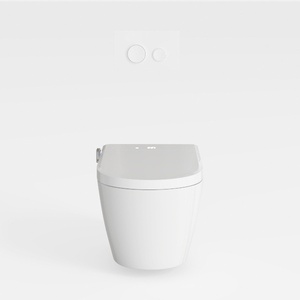
TDH Smart Toilet, Tankless Toilets with Foot

Modern Black Metal Oil Drum Style Freestanding Bathroom Sink 3D Model
Homestyler offers an easy-to-use online home design tool with stunning 3D renderings, extensive design projects, and helpful DIY video tutorials. It’s perfect for bringing your interior decoration ideas to life quickly and beautifully.
Design Now for FREE
































