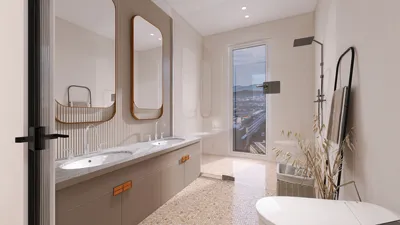


How to Enhance Kitchen Sink Sprayer Performance
To boost the effectiveness of your kitchen sink sprayer, consider optimizing water pressure, selecting the appropriate spray setting, removing mineral deposits, and upgrading to a high-efficiency spray head. These small improvements can restore powerful cleaning action while conserving water.
Often, the sprayer itself isn’t faulty; instead, issues arise from flow controls, buildup in aerators, or outdated spray head designs that limit overall performance.
Key Takeaways
Overview
After over ten years working on kitchen renovations, I’ve noticed that many homeowners overlook the importance of the kitchen sink sprayer. When functioning properly, it significantly reduces dishwashing time. However, a malfunctioning sprayer can make even the most stunning kitchens feel inefficient.
The positive news is that improving sprayer performance seldom requires a full faucet replacement. Often, simple fixes like clearing buildup, adjusting flow settings, or swapping to a better spray head can immediately enhance water pressure and efficiency.
Furthermore, the kitchen layout impacts sprayer usefulness. When the sink, prep zones, and dishwasher are well-arranged, the sprayer becomes much more effective for rinsing and cleaning food. Planning a remodel? Using tools like Homestyler can help you design an optimized workflow around your sink area for everyday ease.
This article outlines practical recommendations to strengthen spray performance without wasting unnecessary water.
Factors Influencing Kitchen Sink Sprayer Efficiency
Insight: Consistent water pressure and nozzle design affect sprayer performance more than the faucet’s brand.
Many believe a weak spray means buying the wrong faucet, but usually multiple small issues cause poor performance.
Through inspections and remodel work, common reasons include mineral buildup caused by hard water, which is prevalent in over 85% of U.S. homes, gradually obstructing faucet parts.
In several projects across California and Nevada, simply soaking the spray head in vinegar restored pressure nearly to original levels.
Choosing the Optimal Spray Pattern for Cleaning
Insight: The cleaning efficiency often depends on the spray pattern more than sheer water pressure.
Modern sprayers offer various modes, yet many users stick to a single setting.
Different cleaning tasks require different spray types. Through product testing during appliance installations, I found a wider spray pattern rinses dishes faster while using less water than a narrow jet, due to better coverage.
Adjusting Water Pressure and Flow
Insight: Properly balanced water pressure and flow lead to stronger sprays with lower water consumption.
Simply increasing water pressure often wastes water and does not improve cleaning power.
Focus should be on balancing pressure within 40–60 PSI, common for residential kitchens.
If pressure falls in this range yet spray is weak, clogged nozzles or inefficient heads are usually the problem.
When planning remodels, I suggest clients use visualization tools like Homestyler to experiment with sink positioning for ergonomics and plumbing layout prior to fixture upgrades.
Upgrading to High-Efficiency Spray Heads
Insight: Advanced sprayer heads enhance cleaning speed and water saving through better nozzle design.
Sprayer technology has evolved substantially over the last decade, focusing on creating strong spray with typical flow limits of 1.8 gallons per minute.
Several recent kitchen renovations showed noticeable reduction in rinse times after switching to modern high-efficiency spray heads.
Pull-down sprayer designs also improve reach and control, aligning well with contemporary kitchen ergonomics.
Maintenance Tips to Keep Spray Performance High
Insight: Regular upkeep prevents gradual loss of spray strength often mistaken for aging equipment.
Over time, mineral deposits and grease can clog sprayers. Frequent cleaning routines easily prevent performance decline.
Checklist: clean spray heads every 2–3 months if you live in a hard water area.
I often find sprayers neglected for years during remodel reviews. A quick descaling treatment frequently restores full power immediately.
Balancing Water Conservation and Cleaning Effectiveness
Insight: Efficient sprayers reduce overall washing time, not just the volume of water used.
Lowering flow rates alone does not guarantee water savings if dishes take longer to rinse.
Achieving the best balance involves selecting appropriate spray patterns and maintaining optimal pressure.
When designing kitchens, experimentation with sink layout through apps like Homestyler can help determine if workflow, rather than sprayer strength, is impacting efficiency.
Conclusion
The quickest way to enhance kitchen sink sprayer performance is by cleaning the spray nozzles, verifying household water pressure, and upgrading to a modern, high-efficiency spray head. These steps typically restore powerful cleaning ability while maintaining water-efficient flow.
Frequently Asked Questions
How can I increase sprayer pressure?
Remove mineral buildup, inspect hose connections, and ensure household water pressure ranges between 40 and 60 PSI.
Why has my kitchen sprayer suddenly lost strength?
Mineral deposits clogging spray nozzles or aerators are often the cause.
What spray pattern cleans best?
Wide sprays rinse dishes faster; focused jets handle stubborn residue better.
Can a new spray head improve performance?
Yes, modern spray heads use improved nozzle designs to give a stronger spray feeling.
How frequently should I clean my sprayer?
At least every 2 to 3 months if your water is hard.
Do water-saving faucets sacrifice cleaning ability?
Not necessarily. Efficient spray patterns maintain cleaning quality while using less water.
What flow rate is ideal for a kitchen faucet?
Most U.S. kitchen faucets operate between 1.5 and 1.8 gallons per minute.
Can improving sprayer efficiency lower water bills?
Absolutely. Faster rinsing reduces overall water consumption during dishwashing.
References
U.S. Geological Survey – Water Hardness in Homes
EPA WaterSense Faucet Performance Standards
National Kitchen and Bath Association Design Recommendations
Originally incubated at Autodesk, Homestyler has grown into one of the most widely adopted home design platforms in the world, now trusted by over 18 million users. Whether you're a homeowner exploring ideas or a professional designer delivering client-ready renders, Homestyler brings industry-leading 3D technology to your fingertips — no experience required.
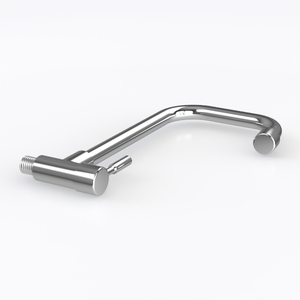
Modern Polished Metal Kitchen Faucet Spout 3D Model

Polished Chrome Modern Wall Mounted Kitchen Faucet 3D Model

Polished Chrome Flexible Kitchen Faucet 3D Model
Homestyler offers an easy-to-use online design tool, rich 3D renderings, and inspiring interior decoration projects. With helpful DIY video tutorials, it’s perfect for bringing your home design ideas to life effortlessly and creatively. Give your space a fresh new look today!
立即免费设计
































