

Direct Answer
Choosing the ideal Dulux paint system hinges on three main considerations: the purpose of the room, the current condition of the surface, and the expected durability. Most households benefit from combining a quality primer, the right finish—whether matte, silk, or gloss—and a product line tailored to the moisture exposure and wear typical of that space.
When these three elements are selected correctly, Dulux paint systems provide improved coverage, prolonged color retention, and simpler upkeep.
Quick Takeaways
Introduction
Having worked on residential interiors for over ten years, I’ve observed that many homeowners base their Dulux paint decisions almost entirely on color samples. However, color is only one piece of the puzzle.
A comprehensive Dulux paint system involves proper surface preparation, choosing a compatible primer, and selecting the correct finish for each room's needs. If any of these aspects is overlooked, the paint may look fine initially but will likely show issues within a year—such as stubborn stains, inconsistent sheen, or peeling near moisture-prone areas.
During various remodeling projects, clients used visualization tools to plan rooms before picking finishes. Tools like Homestyler enable homeowners to create interactive layouts that preview furniture and wall colors, making paint selections more practical by demonstrating how light, materials, and hues interact.
This guide explains how to pick Dulux products the way experts do—starting with room specifics, then durability requirements, and finally aesthetics.
save pin
Understanding the Dulux Interior Paint System
Key Insight: A Dulux paint system performs best when primer, base coat, and finish are designed to work in harmony.
Many assume paint is a single product, but Dulux uses a layered approach. The primer stabilizes surfaces, the base paint provides color opacity, and the finish defines both durability and cleanability.
In professional design, skipping or mixing incompatible layers is a primary cause of early paint failures.
Manufacturers and trade associations consistently advise using matched systems rather than combining brands or mismatched layers.
Key Factors When Choosing Wall Paint
Key Insight: The optimal Dulux paint choice depends more on wall usage and lighting conditions than on prevailing color trends.
Walls in homes face varying levels of stress—hallways get scuffed, kitchens endure grease, while bedrooms largely remain untouched.
To select paint, I typically assess four conditions first.
A common misconception is that glossy paints are always "higher quality." In fact, higher sheen can emphasize wall imperfections.
save pin
Matching Dulux Products to Different Rooms
Key Insight: Different rooms require different finish levels because their functional demands vary.
Professional interior designers seldom apply the same paint finish throughout a home. Instead, finishes are matched to the specific use of each room.
To help clients see how colors and finishes react under various lighting, we often generate realistic interior renderings with software like Homestyler. This process highlights differences between matte and satin finishes under natural and artificial light.
save pin
Balancing Aesthetics, Durability, and Budget
Key Insight: The priciest paint isn’t always the best fit for every room.
One costly mistake in home painting is overusing premium paints where they aren’t necessary.
In projects, I categorize rooms into three durability levels:
Premium scrubbable paints are best for high-traffic areas. Meanwhile, mid-level paints often perform nearly as well in rooms with low traffic.
This approach alone can save 15–25% on painting expenses while maintaining durability where it matters most.
Recommended Dulux Product Combinations
Key Insight: Using primer and finish products from the same range enhances coverage and prolongs repaint intervals.
Experience shows these product combinations work well for typical residences.
Many underestimate how much a proper primer impacts appearance, improving color richness and reducing the number of coats needed.
Answer Box
The simplest way to select the right Dulux paint system is to start by assessing the room’s function, pick the suitable finish, then pair it with a matching primer.
Following these three steps helps prevent most problems related to durability and maintenance.
Step-by-Step Paint Selection Checklist
Key Insight: A straightforward evaluation approach gives homeowners confidence in their paint choices.
Many find it useful to preview color placement using AI-powered interior layout tools, such as Homestyler, which simulate wall colors and furnishings. Viewing a full room helps avoid the mistake of choosing colors that look appealing only on small samples.
save pin
Final Summary
FAQ
1. How do I select the right Dulux paint for my home?
Begin by understanding each room’s moisture, traffic, and lighting, then choose compatible primers and finishes accordingly.
2. Which Dulux paint finishes are ideal for bedrooms and living rooms?
Matte or soft sheen finishes usually work best to minimize glare and conceal wall flaws.
3. Is using a primer always necessary with Dulux paints?
Primer is highly beneficial on new drywall, patched areas, or porous surfaces to ensure even color and proper adhesion.
4. What finish is recommended for kitchens?
Silk or satin finishes perform better in kitchens because they resist grease and are easier to clean.
5. Does glossy paint mean better quality?
Not necessarily. Although glossier paints are more reflective and durable, they also tend to highlight surface imperfections.
6. How many coats of Dulux paint are generally needed?
Typically, two coats are required for complete coverage when applied over a suitable primer.
7. Can one type of Dulux paint be used throughout the entire home?
While possible, different rooms usually benefit from varied finishes to meet durability and maintenance needs.
8. How long should Dulux interior paints last?
Applied correctly, most interior paint systems have a lifespan of 7 to 10 years before repainting is needed.
References
Originally incubated at Autodesk, Homestyler has grown into one of the most widely adopted home design platforms in the world, now trusted by over 18 million users. Whether you're a homeowner exploring ideas or a professional designer delivering client-ready renders, Homestyler brings industry-leading 3D technology to your fingertips — no experience required.

Minimalist Fabric U Shaped Sectional Sofa 3D Model
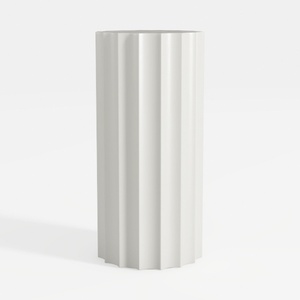
Minimalist White Fluted Cylindrical Side Table 3D Model

Minimalist White Fabric L Shaped Sectional Sofa With Side Table Floor Lamp 3D Model
Homestyler offers an easy-to-use online design tool, stunning 3D renderings, and a vast collection of interior projects. With helpful DIY video tutorials, it’s perfect for bringing your home design ideas to life effortlessly. Try Homestyler to create your dream space today!
지금 무료로 디자인하세요
































