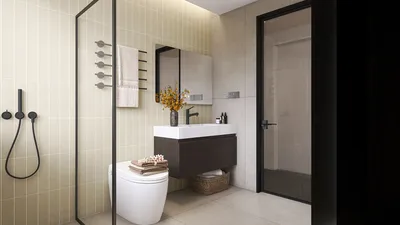


In today's smart homes, seamless integration of technology like the Nest app is key to managing comfort and security effortlessly. When the Nest app faces interruptions, it reminds us how crucial a reliable tech setup is in our living spaces. Designing furniture that accommodates smart devices while maintaining aesthetic harmony can enhance the overall functionality and atmosphere of any room, making technology a natural part of our home environment.
How to Arrange Existing Furniture in a New Room
Moving to a new space often means dealing with different dimensions—whether it's more spacious, smaller, or uniquely shaped—and suddenly, the furniture layout that worked perfectly for years feels out of place from every perspective.
Before physically moving any items, consider using a furniture arrangement software like Homestyler to experiment with different layouts digitally. This approach saves time and effort compared to repositioning heavy furniture multiple times.
Many default to their previous setup: sofa against the longest wall, bed centered beneath a window, and shelves filling awkward corners.
However, this often fails—not because the furniture is unsuitable, but because the logic that worked before doesn’t always apply to a new room. A floor plan designed around a west-facing window may not suit a north-facing space; an arrangement centered on a fireplace may seem cluttered if there isn't one.
Using the same furniture in a fresh environment requires a fresh perspective. The pieces remain, but the reasoning behind their placement must start anew.
Take Stock Before You Arrange Anything
The first question shouldn’t be “Where will the sofa go?” but rather, “Which pieces truly fit and belong in this room?”
Prioritize and keep furniture that is properly scaled to the space and serves a functional purpose. These items are positioned first.
Retain but rethink items that previously worked but may perform different roles here. For instance, a console table that held keys in a hallway might serve better as a desk; a nightstand could function as a side table.
Some pieces, like a large dining table, may physically not fit the new room’s proportions. In such cases, the problem lies with the furniture, not the layout.
Consider the room's focal point—what captures the eye upon entering? Major seating should face or frame this feature rather than compete with it.
Notice natural traffic flow by walking through the empty space. Pathways require at least 90 cm of clearance; furniture that blocks these routes makes the room feel awkward.
Assess lighting: Where and when does sunlight enter? North-facing rooms benefit from furniture arrangements that encourage warmth, while southern or western exposures require strategies to manage glare.
Identify any awkward architectural features early on and plan around them instead of fighting against them.
How to Test Arrangements Without Moving Anything
Many spend entire weekends moving furniture around trying to find the right setup, often leading to frustration.
With Homestyler's room planner, you can recreate your space to exact dimensions, furnish it with your existing pieces scaled appropriately, and explore layouts in 2D before switching to 3D to visualize the actual feel of the room.
A 3D view reveals issues that a flat floor plan misses. A design that seems balanced from above might feel cramped or tunnel-like at eye level.
Try out your layout virtually before lifting a finger: utilize free furniture arrangement tools like Homestyler.
The Arrangements That Actually Work
Floating versus Wall-Hugging — One common error is pushing every piece against the walls. Floating a sofa 30–60 cm away from the wall and orienting it towards a focal point often makes a space feel more deliberate and bigger.
Creating a Conversation Zone — In living rooms, establish an area where people can face one another comfortably within 2–3 meters. Arrange other furniture around this social core.
Anchoring with a Rug — Ensure the front legs of primary seating rest on the rug. A rug placed only under a coffee table results in a disconnected, floating appearance.
The Bedroom Exception — Bedroom pieces usually align with walls; however, centering the bed on the main wall rather than tucking it into a corner enhances balance.
Signs a Piece Doesn’t Belong:
Using a room planner like Homestyler reveals misplaced furniture issues before committing to rearrangements.
Arrange your room based on daily use rather than how it looks in photos.
A layout symmetrical enough for attractive real estate photos may not accommodate how a family genuinely lives and moves in a room. The goal is to organize the furniture you own to suit your lifestyle. Begin there.
Planning from Scratch? See: How to Plan a Room Layout Before Moving In
Homestyler's roots trace back to Autodesk, the global leader in design and engineering software. That heritage lives on in every feature we build. Today, with a community of more than 20+ million registered users (platform data, 2026) worldwide, Homestyler continues to make professional-quality interior design accessible to everyone — from first-time decorators to seasoned architects.
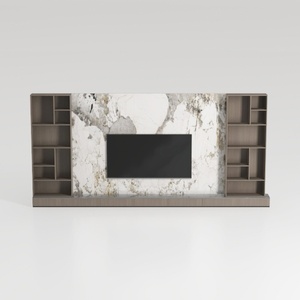
Modern Marble Solid Wood TV Wall Unit With Bookshelves 3D Model

Minimalist Modern White Open Bookshelf Display Shelf 3D Model

Minimalist Glass Metal Coffee Table 3D Model
Homestyler offers an easy-to-use online design tool combined with stunning 3D renderings, inspiring interior projects, and helpful DIY video tutorials. It’s perfect for anyone looking to create and visualize beautiful home designs effortlessly.
Concevez maintenant gratuitement








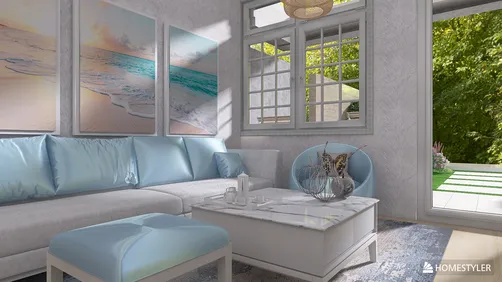

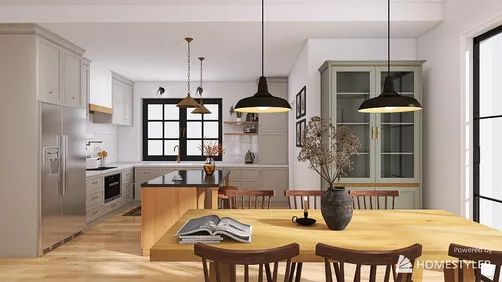









![Design [4]](https://hs-designs.homestyler.com/production/design/images/07c2de3a-88ec-4be8-8910-ff255b795bc2/1731419398293/7841697.jpg?x-oss-process=image/resize,w_502,m_mfit/format,webp)




![[For my dearest Sabrinik 🧡]](https://hs-designs.homestyler.com/production/design/images/3f463715-5ed6-4c49-9346-16d464510aa6/1714085722568.jpg?x-oss-process=image/resize,w_502,m_mfit/format,webp)


