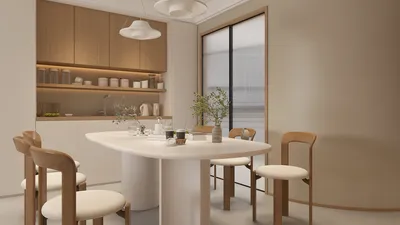


With the rise of AI tools like ChatGPT becoming integral to daily productivity, many of us now design our home workspaces to accommodate seamless digital interaction. Creating ergonomic setups that support extended screen time and easy access to technology not only enhances comfort but also promotes focus. Thoughtful space planning and furniture choices, such as adjustable desks and cable management solutions, are essential for blending high-tech lifestyles into functional living environments. Utilizing design software like Homestyler can further simplify the process by allowing homeowners to visualize and plan such spaces effectively.
How to Arrange a Sectional Sofa in a Compact Living Room
The optimal way to position a sectional sofa in a small living area is by anchoring it against a wall or within a corner, ensuring the chaise faces an open area while keeping traffic flow unobstructed. Strategic placement can make even the smallest spaces feel more expansive by defining distinct zones and minimizing visual disorder.
In numerous small dwelling design projects, I find the sectional serves as a pivotal element in layout planning rather than a hindrance. Selecting the proper orientation and allowing sufficient space around the sofa creates a sense of openness and function.
Essential Takeaways
Common Misconceptions About Sectionals in Tight Spaces
Homeowners often assume that including a sectional in a compact living room will overcrowd the space. However, based on over a decade of experience designing Los Angeles apartments, I know that sectionals can replace several separate seating pieces, streamlining the overall arrangement.
The challenge lies chiefly in placement. Frequently, I enter small living rooms where the sectional is blocking movement paths, overpowering walls, or confining coffee tables awkwardly. When arranged thoughtfully, a sectional makes the room feel purposeful rather than cramped.
Here are the proven placing strategies I consistently apply when designing small living rooms.
Why Choose a Sectional Over Traditional Sofas in Compact Areas?
Insight: A sectional often serves as a substitute for two or more individual seating options, simplifying the visual environment.
While many believe smaller furniture pieces save room, multiple sofas or a sofa with additional chairs typically generate more barriers and awkward voids.
In tight dwellings, I frequently recommend sectionals because they offer an efficient use of space without sacrificing seating comfort.
Renowned design studios such as Studio McGee and Amber Interiors favor compact L-shaped sectionals for this reason — their continuous form keeps the area visually balanced and calming.
Anchor the Sectional in a Corner to Optimize Floor Area
Insight: Positioning the sectional in a corner is often the most dependable layout for small living rooms.
Walls naturally absorb the sofa’s visual mass, integrating the furniture into the architecture instead of letting it float in the room’s center.
Corner arrangements work best under specific conditions that ensure room flow and maximize usable space.
This setup has proven effective in numerous compact condos, often under 200 square feet.
Is Floating a Sectional in a Small Living Room Possible?
Insight: Floating a sectional is effective when it enhances traffic circulation and creates defined functional zones.
Contrary to popular belief, moving all furniture against walls can shrink the perceived space. Floating pieces can open the room visually, provided pathways remain clear.
Floating sectionals excel particularly in open-plan layouts by fostering balance and flow.
Leveraging the Chaise to Shape the Room’s Design
Insight: The chaise component should be oriented toward open areas instead of obstructing foot traffic.
Misplacing the chaise in a major walkway is a frequent design error leading to congestion.
The chaise should be positioned to direct sightlines and movement, acting as a visual guide within the space.
Think of the chaise as an arrow pointing toward the room’s focal point, shaping how the space feels.
Choosing the Right Size Sectional for Small Living Rooms
Insight: Sectionals with compact depth and armless ends typically suit small spaces better than bulky lounge models.
Many retailers offer oversized sectionals that overwhelm modest living rooms and don’t fit well.
Look for dimensions designed for apartments to ensure proportional harmony.
Brands focusing on smaller footprints now provide sectionals tailored specifically for apartments and limited spaces.
Common Layout Mistakes and How to Avoid Them
Insight: In compact rooms, small errors in arrangement impact livability more than furniture size.
Typical mistakes include blocking pathways, overcrowding corners, and insufficient negative space around furniture.
I advise clients to maintain adequate clearance and consider flow when positioning sectionals.
Summary: Best Sectional Placement Techniques
The corner placement with the chaise directed toward open space stands out as the ideal arrangement in small living rooms. This layout safeguards walking paths, defines the sitting area, and minimizes the potential for the sectional to dominate visually.
Ten Effective Layout Solutions for Small Spaces
Insight: Small rooms warrant deliberate, rather than experimental, furniture placement.
Various configurations work well depending on doorways, windows, and walking routes.
Final Thoughts and Frequently Asked Questions
FAQ: Is a sectional sofa too large for compact living rooms?
Not inherently. Sectionals can substitute for multiple seating pieces, reducing clutter and enhancing flow.
Where should the chaise face?
Ideally, the chaise directs toward open or central areas of the room, avoiding main walkways and entrances.
Can a sectional be floated in a compact space?
Yes, floating a sectional is viable if it improves zone delineation and keeps pathways accessible.
What sectional size is most suitable for apartments?
Models under 100 inches wide with shallow seat depths typically fit small rooms best.
Should the sectional touch the wall?
Not necessarily; leaving some gap can prevent a cramped atmosphere.
What coffee table complements a sectional?
Curved shapes like round or oval tables facilitate better movement in tight layouts.
How can you visually reduce the size of a sectional?
Select furnishings with low arms, slender legs, light fabrics, and ensure surrounding space is left open.
Is an L-shaped sectional preferable in small rooms?
Yes, it fits naturally into corners and optimizes floor utilization.

Furniture of America Emmer Luxury Glam 2-Shelf


Contemporary Brass Glass Acrylic Side Table 3D Model
GarveeHome Natural Rattan Dining Chairs Set of 2
Homestyler is an easy-to-use online home design platform offering powerful 3D rendering, inspiring interior projects, and helpful DIY video tutorials. It lets you visualize and create beautiful home designs effortlessly, whether you’re a beginner or an experienced designer.
Zaprojektuj teraz za darmo
































