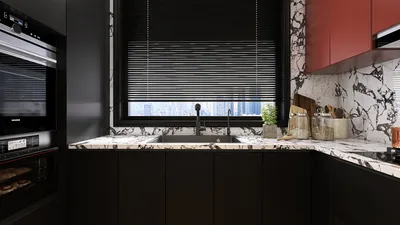


The evolving state of play in technology has transformed how we interact with our living spaces, blending digital innovation seamlessly into home environments. As gadgets become central to daily routines, thoughtful spatial design now emphasizes integrating smart devices with comfortable furniture, creating versatile zones for work, relaxation, and entertainment within the home.
Direct Answer
The advent of plastic model creation through 3D printing was made possible when cost-effective desktop printers and advanced digital modeling tools allowed enthusiasts and small-scale manufacturers to produce intricate scale models without relying on costly injection molds. Instead of investing in expensive tooling, creators can now fabricate precise plastic models directly from digital blueprints.
This paradigm shift has fundamentally altered the model industry by facilitating rapid prototyping, limited batch production, and extensive customization.
Quick Takeaways
Introduction
Having spent considerable time in design and digital modeling, I’ve witnessed similar transformations across various sectors. The plastic model industry stands out as a compelling example. Processes that once demanded heavy factory tooling can now start on a personal laptop and finish on a desktop 3D printer.
The emergence of plastic models created through 3D printing did not happen instantly. It evolved as CAD software improved, resin printers reached the precision needed for miniatures, and hobbyist communities began sharing digital files. The result is a silent revolution: today’s model makers can craft subjects that would have been commercially unfeasible two decades ago.
Recognizing how this transition unfolded clarifies why modern scale modeling is now more imaginative, accessible, and sometimes more avant-garde compared to traditional kit manufacturing.
How Were Plastic Models Traditionally Manufactured
Key Insight: Conventional plastic models depended on injection molding, which required highly expensive molds and large-scale production.
Throughout much of the 20th century, model kits were produced via injection molding. Molten plastic was injected into steel molds, cooled, and ejected as sprues holding parts.
A major constraint was cost: a single steel mold could cost tens of thousands of dollars, demanding confidence in large volume sales before production.
This setup functioned well for popular aircraft, tanks, and vehicles but rarely supported obscure or experimental models due to limited market demand.
That gap would eventually be bridged by 3D printing technology.
What Changed When 3D Printing Entered the Model Industry
Key Insight: 3D printing replaced costly tooling with digital design expertise, making digital files the new 'master mold.'
When high-resolution resin printers became widely accessible in the 2010s, intricate features like rivets, panel lines, and cockpit parts could finally be recreated accurately at scale.
This shifted workflows dramatically and removed the need for expensive metal molds.
Industry experts have noted that advanced resin printers can achieve layer heights as low as 0.025 mm, sufficient for miniature detailing.
Why Did 3D Printing Unlock So Many New Model Subjects
Key Insight: Eliminating mold costs made it feasible to produce models on niche or highly specialized topics.
Traditional manufacturers prioritized globally popular subjects to justify tooling costs, whereas 3D printing enabled models that cater to passionate niche markets.
Many independent creators operate small studios releasing digital files or limited physical batches, producing hundreds—not tens of thousands—of highly detailed pieces for dedicated collectors.
This innovation has expanded creative freedom within the hobby significantly.
Can 3D Printed Models Match Injection Molded Quality
Key Insight: High-quality resin printing can rival injection molding detail but each technology retains unique strengths.
Quality depends greatly on printer type and effective post-processing techniques.
While injection molding offers toughness, resin printing excels in minute detail. Beginners often overlook these trade-offs.
Professional printers in boutique studios often surpass traditional molds in fine detailing.
Hidden Challenges in 3D Printed Plastic Models
Key Insight: The principal challenge lies not in printing but in mastering digital design expertise.
Many assume the printer is the hardest element; however, creating print-ready models demands advanced design skills.
Common challenges involve optimizing geometry for resin printing to avoid post-production issues.
Experienced designers proficient with modeling software and fabrication processes have become essential to success in this market.
Answer Box
3D printing inaugurated a new era in plastic model production by removing the necessity for costly molds. Designers can directly create highly detailed models in limited quantities from digital files.
This development opened the door for niche subjects, personalized parts, and global independent designers.
What Does the Future of 3D Printed Plastic Models Look Like
Key Insight: The future will likely blend traditional model kits with digitally printed components.
Leading manufacturers are already incorporating additive manufacturing within their production methods.
This hybrid production combines mass manufacturing efficiency with the adaptability of digital fabrication.
For enthusiasts, this means nearly any historical vehicle, aircraft, or object can eventually become a detailed plastic model.
Final Summary
FAQ
When did 3D printing start influencing plastic model making?
Mid-2010s marked widespread adoption of high-resolution resin printers by hobbyists and small studios.
Are 3D printed plastic models stronger than traditional kits?
Not necessarily; injection molding usually yields tougher parts, while resin printing prioritizes detail over durability.
Can beginners create plastic models using 3D printing?
Yes, but initial learning of CAD design and printer calibration is essential for dependable results.
What software is commonly used to design printable models?
Common programs include Blender, Fusion 360, ZBrush, and platforms like Homestyler for spatial visualization.
Is the birth of plastic models by 3D printing replacing traditional kits?
No; experts consider it a complementary technology enhancing rather than replacing traditional manufacturing.
Why are many aftermarket parts now 3D printed?
Affordability of small runs enables designers to produce highly specialized accessories.
What printers are typically used for model parts?
Resin SLA or MSLA printers are preferred due to their capacity for fine detail reproduction.
Can collectors buy digital model files instead of physical kits?
Absolutely; many designers sell downloadable files allowing hobbyists to print models at home.

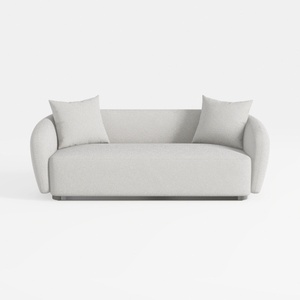
Minimalist Boucle Fabric Living Room Sofa 3D Model
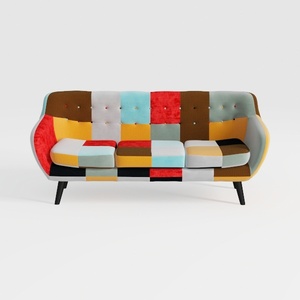

Colorful Patchwork Fabric Tufted Modern Sofa 3D Model
Homestyler offers an easy-to-use online home design tool with stunning 3D renderings, inspiring design projects, and helpful DIY video tutorials. It’s perfect for bringing your interior decoration ideas to life effortlessly and creatively.
Progetta ora GRATIS
































