


In today’s connected homes, the integration of a versatile TV app transforms how we interact with our living spaces. As streaming services become central to entertainment routines, designing a cozy media nook with ergonomic seating and adjustable lighting enhances both comfort and viewing experience. Thoughtful spatial planning ensures that technology blends seamlessly with home aesthetics, creating an inviting area tailored for relaxation and digital enjoyment. Utilizing tools like Homestyler can greatly assist homeowners and designers in visualizing and perfecting such spaces efficiently.
Direct Answer
3D modeling plays a crucial role in contemporary design, enabling both designers and clients to visualize spaces precisely before construction commences. By minimizing costly errors, enhancing communication, and allowing realistic testing of layouts, lighting, and materials, 3D modeling improves the design process significantly.
In professional interior design workflows, 3D models serve not just as presentation tools but as essential instruments for informed decision-making.
Quick Takeaways
Introduction
With over ten years of experience as an interior designer, I’ve witnessed how 3D modeling revolutionizes design decision-making. Early in my career, reliance on mood boards, sketches, and 2D floor plans often left clients surprised by the finished space.
This disconnect between expectation and reality underscores why 3D modeling is indispensable today. A detailed model allows clients to virtually explore a future room before any building starts, often uncovering issues with layout, lighting, or furniture scale that might otherwise be overlooked until construction.
This article explores why 3D modeling is vital nowadays, how designers employ it, and its role in averting the most costly design errors.
How Does 3D Modeling Improve Design Visualization?
Key Insight: 3D modeling transforms abstract design ideas into tangible, realistic visuals that clients can immediately comprehend.
Most clients find it challenging to interpret technical drawings or floor plans, which require spatial imagination. 3D models remove this hurdle by depicting spaces as they will appear upon completion.
Rather than relying solely on verbal descriptions of ceiling heights or textures, designers can convey these features visually.
Clients often request layout alterations after viewing the 3D rendition because certain areas feel "too cramped" or "too sparse." This valuable feedback is critical before construction begins.
Why Do Designers Use 3D Models Instead of Only 2D Plans?
Key Insight: While 2D drawings convey measurements, 3D models communicate experiential aspects of a space.
Architectural blueprints are necessary for construction accuracy, yet they lack depiction of ambiance, lighting moods, and how furniture interacts within the circulation space.
In reality, designers balance these tools daily: 3D models refine the design aesthetically and functionally, while technical drawings provide precise documentation for builders.
What Design Problems Can 3D Modeling Prevent?
Key Insight: The principal advantage of 3D modeling lies in identifying expensive design mistakes before construction begins.
Repeatedly, I’ve encountered recurring design oversights in projects that bypassed comprehensive visualization.
According to studies in construction management, changes during building phases are a leading cause of delays; early visual simulation helps detect such issues proactively.
Can 3D Modeling Reduce Project Costs?
Key Insight: Although 3D modeling requires initial investment in design time, it often lowers overall project expenses by avoiding costly revisions later.
There is a misconception that 3D visualization is reserved solely for marketing or high-end presentations. In truth, it frequently results in financial savings.
Common cost-saving scenarios include avoiding improper furniture placement, resolving lighting conflicts, and optimizing space usage.
For instance, in a Los Angeles residential remodel I contributed to, a 3D model exposed that a built-in bookshelf would obstruct natural sunlight from a window. Adjusting the plan digitally was quick and cost-effective, whereas post-installation fixes would have demanded demolition.
How 3D Modeling Improves Collaboration Between Designers and Clients
Key Insight: Transparent visual communication boosts client confidence and accelerates approval processes.
Design projects often experience delays because clients find it difficult to envision the final outcome. When presented with realistic 3D spaces, decision-making is notably expedited.
Effective collaboration tools foster clearer dialogues, prompt specific feedback, and enhance productivity.
From my perspective, once clients view their home designs in 3D, their input becomes more detailed and helpful.
Answer Box
3D modeling is indispensable in interior design as it translates conceptual plans into life-like visual environments, enabling testing of layouts, materials, and lighting while averting expensive mistakes prior to construction.
Final Summary
FAQ
3D modeling in interior decoration involves creating digital replicas of rooms through specialized software, illustrating layouts, furniture placement, lighting, and materials with realistic perspectives.
It allows precise visualization, clear communication with clients, and pre-construction testing of design choices.
No, floor plans remain critical for precise construction measurements. 3D models complement these by showcasing the actual look and feel of the space.
Initial costs exist, but long-term savings arise from minimized construction errors and fewer design modifications during building.
Clients overwhelmingly find realistic 3D visualizations easier to understand compared to traditional technical drawings.
Popular software includes SketchUp, 3ds Max, Blender, and Revit. Many professionals combine modeling apps like Homestyler with rendering engines to achieve photorealism.
Accurate 3D models align with real-world dimensions, supporting reliable planning for furniture arrangement and circulation.
Even modest projects benefit from 3D modeling, as spatial issues and scaled furniture challenges frequently occur in smaller environments.
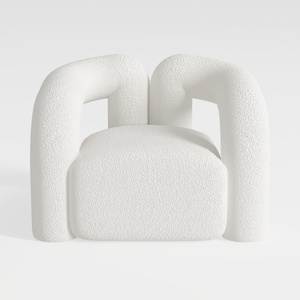
Minimalist Boucle Fabric Armchair Modern Unique Design 3D Model

Minimalist White Solid Wood Square Coffee Table 3D Model
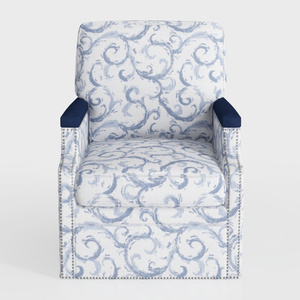
Blue Printed Fabric Upholstered Armchair with Nailhead Trim 3D Model
Homestyler is an easy-to-use online platform for creating stunning home designs. With its powerful 3D rendering tool, extensive interior decoration projects, and helpful DIY video tutorials, you can effortlessly visualize and personalize your space. Perfect for all skill levels!
Design jetzt kostenlos
































