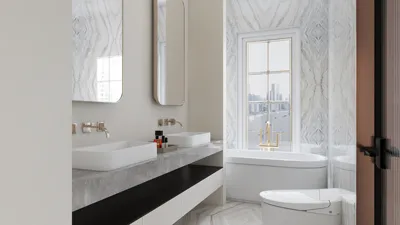


The evolving "state of play" in technology has transformed how we interact with our living spaces, blending digital innovation seamlessly into home environments. As gadgets become central to daily routines, thoughtful spatial design now emphasizes integrating smart devices with comfortable furniture, creating versatile zones for work, relaxation, and entertainment within the home.
A few years back, I made a blunder that still brings a smile to my face. I ordered flooring for a small apartment without first testing the layout direction properly. The outcome? Almost 15% additional material waste and an awkward seam near the hallway. From that moment on, I always begin by sketching layouts early, often utilizing tools like Homestyler to digitally preview how boards or tiles will actually fit within a room.
It’s funny how compact spaces often teach the most valuable lessons. When every inch counts, every plank and tile is critical, and layout choices have the potential to save hundreds of dollars in materials.
Over time, I developed several effective strategies to optimize flooring layout and minimize waste before installation begins. Here are five methods I frequently apply when designing kitchens, apartments, or smaller homes.
Why Flooring Layout Optimization Is Crucial
Many homeowners believe that most flooring waste comes from trimming around walls, but poor initial planning is usually the main cause. Beginning a pattern in an ill-chosen spot often results in many small leftover pieces along multiple edges.
By prioritizing layout optimization, I often reduce waste from around 12–15% down to 6–8%, saving several boxes of flooring even on moderate renovations.
How Flooring Planning Tools Like Homestyler Help Cut Waste
Early in my career, I relied on graph paper to plan layouts. It worked but was slow and often inaccurate once furniture, doors, or cabinets came into play.
These days, I typically simulate the pattern digitally before placing orders. Using Homestyler’s 3D flooring preview, I can rotate plank orientations, adjust starting points, and immediately identify waste areas. Sometimes shifting the starting line by just 10–15 centimeters eliminates numerous awkward cuts.
Optimal Patterns for Efficient Flooring Material Use
Not all flooring patterns are equally efficient in minimizing waste. Straight plank layouts tend to generate the least waste, especially in rectangular rooms. Diagonal patterns deliver a striking look but can significantly increase material loss.
Herringbone floors offer elegance but require careful planning because every cut must be symmetrical. I still use this pattern often in entryways but always caution clients about the potential for increased material cost.
Leveraging Digital Layout Simulations Before Installation
One invaluable habit is running multiple layout simulations before committing to a final design. Testing plank direction, seam offsets, and alignment with windows or hallways helps refine the plan.
Occasionally, I explore alternative layouts suggested by AI-assisted interior visualizations through platforms like Homestyler, discovering new orientations that reduce awkward edge pieces remarkably well.
Estimating Waste Percentages for Different Flooring Materials
Different floor types require varied waste allowances. Hardwood planks commonly need 7–10% extra, while large-format tiles may require 10–12% due to difficult-to-reuse cuts.
Irregular designs like parquet or diagonal tile layouts can push waste towards 15%. Calculating this early prevents budget surprises down the line.
Tips for Maximizing Flooring Efficiency
A simple technique I use is starting the layout from the room’s visual center instead of a wall, which balances edge cuts so both sides have usable board lengths.
I also keep leftover pieces organized during installation since many can begin the next row, drastically reducing scrap—a detail often overlooked by installers rushing through the job.
Frequently Asked Questions
1. What is the typical waste percentage for flooring installation?
Most projects require 7–12% extra material depending on layout complexity and room shape. Simpler plank arrangements generally have lower waste.
2. Can optimizing flooring layouts reduce material costs?
Absolutely. Adjusting layout direction and starting points can lower waste by several percentage points, saving multiple boxes in average-sized rooms.
3. Which flooring pattern results in the least waste?
Straight plank or grid patterns typically generate minimal waste as offcuts often fit into following rows.
4. Why do diagonal layouts produce more waste?
Diagonal installs involve angled cuts along nearly every wall, creating triangular offcuts that rarely can be reused.
5. Should extra flooring material be purchased even after planning?
Yes. Despite careful layout strategies, unexpected cuts, defects, or future repairs make having surplus material essential.
6. How do professionals plan flooring layouts before installation?
Designers and contractors usually measure the room precisely and digitally simulate plank or tile placement using tools like Homestyler to identify potential waste.
7. Is digital flooring layout planning accurate enough for estimates?
Yes, as long as accurate room dimensions are provided. Many modern platforms enable precise placement for realistic material use calculations.
8. What do industry standards say about flooring waste?
The National Wood Flooring Association (NWFA) advises ordering 5–10% additional hardwood material to cover cuts and defects.

Minimalist Solid Oak Fluted TV Stand with Black Metal Legs 3D Model
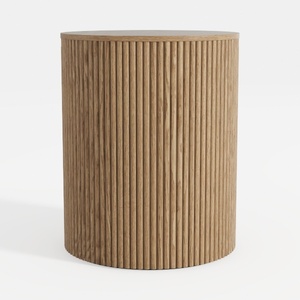
Minimalist Fluted Oak Round Side Table 3D Model
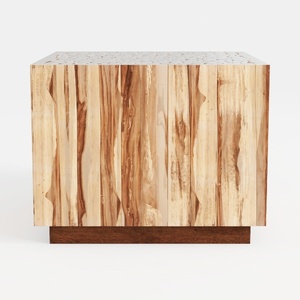

Minimalist Solid Wood Accent Cabinet with Textured Top 3D Model
Homestyler offers an easy-to-use online home design tool combined with stunning 3D renderings, inspiring design projects, and helpful DIY video tutorials. It’s perfect for anyone looking to create and visualize beautiful interiors effortlessly.
Design Now for FREE
































