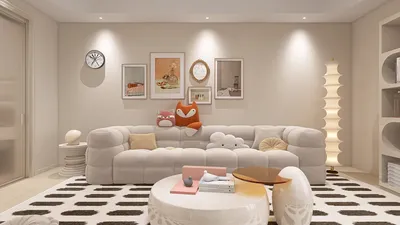


In today’s tech-savvy lifestyle, devices like the Oura Ring 5 are revolutionizing how we monitor our health and wellbeing right from home. Integrating such advanced wearables inspires new ways to design living spaces that promote relaxation and recovery. Thoughtfully arranged furniture and calming environments can complement the data-driven insights these gadgets provide, creating a harmonious blend of technology and comfort in your personal sanctuary. Using tools like Homestyler, homeowners can visualize these tranquil spaces and optimize room layouts to enhance both comfort and functionality.
Direct Answer
Decorating dining room tables effectively involves balancing elements such as height, texture, and negative space. Most households achieve a sophisticated table setting by layering centerpieces, incorporating seasonal accents, and ensuring breathing room, resulting in a look that feels intentional rather than overcrowded.
The secret isn't about adding excessive decor but rather selecting a few pieces that provide visual grounding while maintaining the table's usability for daily meals.
Quick Takeaways
Introduction
After designing numerous dining areas over the years, one pattern emerges: unfinished dining rooms often stem from a lack of visual storytelling on the table rather than incomplete furniture selection.
Clients frequently request ideas for decorating dining tables after completing their rooms, as the space still feels bland. The typical impulse is to add more items, but the transformation comes from structure—how decorations are layered, proportioned, and placed.
This guide explores ten styling methods I commonly implement in real projects. Some are classic while others are unconventional, but all address common styling challenges faced by homeowners.
save pin
Why Do Most Dining Tables Look Under Decorated
Key Insight: Dining tables tend to appear bare because the decorations lack scale and layering rather than insufficient quantity.
People often place a single small object at the center and stop, leaving a large, unstructured surface. Interior designers typically consider three components when styling tables: height variation, texture contrast, and shape diversity.
For instance, instead of just one vase, I might combine several items to create depth and interest.
This technique results in a layered focal point instead of a solitary item, with odd-numbered groupings enhancing visual harmony—a principle endorsed by brands like Studio McGee and Amber Interiors.
10 Decorated Dining Room Table Ideas Designers Actually Use
Key Insight: The most effective dining tables blend practicality with structured decoration to accommodate daily use and social gatherings.
Here are ten styling strategies that consistently deliver across different dining aesthetics.
An often overlooked tip: symmetry can make a table feel rigid, while slight asymmetry offers a more relaxed, designer-inspired vibe.
save pin
What Makes a Dining Table Centerpiece Look Professional
Key Insight: Professional centerpieces balance contrasting heights, textures, and shapes.
In my projects, centerpieces usually incorporate three layers to guide the eye naturally across the table.
This layered style is common in interior photography and retail displays due to its ability to create flow and focal interest.
A useful design secret: matte finishes, such as ceramic, stone, and linen, photograph and age better than glossy surfaces, explaining their popularity in professionally designed dining rooms.
save pin
Should You Decorate a Dining Table for Everyday Use
Key Insight: Everyday tables should feature easily movable decor instead of permanent centerpieces.
Heavy centerpieces that require removal before each meal often discourage regular use over time.
Instead, I suggest creating arrangements that can be moved quickly and effortlessly.
This approach allows the entire centerpiece to be shifted in seconds, maintaining functionality and style.
Designers follow the guideline of keeping at least half the table clear to preserve visual calm and usability.
Hidden Styling Mistakes Most Guides Never Mention
Key Insight: Overdecorating tables is a far more frequent issue than underdecorating.
Three common problems I address in client homes include cluttered layouts, ignoring table geometry, and improperly scaled decor.
For example, neglecting to consider the table’s shape often results in an unbalanced appearance.
save pin
How Designers Style Dining Tables for Different Table Shapes
Key Insight: The table’s shape should inform the decoration’s layout.
Distinct table shapes call for varying centerpiece designs.
Aligning decor with the table’s proportions ensures a cohesive and harmonious look rather than one that feels forced.
Answer Box
Successful decorated dining tables focus on balance more than volume. Employing a layered centerpiece, controlled use of negative space, and materials such as linen, greenery, and ceramics produces timeless table designs.
Final Summary
FAQ
How do you decorate a dining room table every day?
Opt for a small group of centerpieces, such as candles, greenery, or a simple bowl, keeping decorations compact to preserve functionality.
What is the best centerpiece for a dining table?
A vase with greenery, a trio of candles, or a decorative bowl works best by adding height without hindering conversation.
How many items should be on a dining table centerpiece?
Typically, three to five pieces strike the best visual balance.
Are table runners necessary for dining tables?
Not mandatory, but runners help anchor decor and organize long rectangular tables visually.
What are modern decorated dining room table ideas?
Contemporary tables often showcase sculptural decor, minimal candle clusters, and neutral ceramic vases.
Can you decorate a small dining table?
Yes, using a single compact centerpiece rather than multiple objects keeps the look uncluttered.
How do designers style dining tables for holidays?
They maintain the base centerpiece and swap seasonal items like greenery, fruits, or ornaments for a fresh look.
What colors work best for dining table decor?
Neutral shades such as beige, stone, olive, and warm wood tones harmonize with most dining environments.


Minimalist Japandi Solid Wood Glass Kitchen Storage Cabinet 3D Model

Minimalist Oak Fabric Dining Armchair 3D Model

Bestar Pur Queen Murphy Bed with 2 Shelving Units
Homestyler offers an easy-to-use online home design tool with stunning 3D renderings, inspiring design projects, and helpful DIY video tutorials. It’s perfect for bringing your interior decoration ideas to life quickly and creatively.
Design Now for FREE
































