

Direct Answer
In a compact dining area, a dining sofa can be effective when positioned against a wall, slightly shorter than the dining table, and paired with ample clearance for movement behind the chairs. The essential factors are ensuring smooth circulation, proper table alignment, and aesthetic balance so that the sofa contributes to saving space rather than obstructing it.
Quick Takeaways
Introduction
When clients ask me about designing a small dining room with a sofa, the major hurdle often isn’t the sofa itself but how people move around it. After handling numerous compact dining spaces in cities like Los Angeles and San Diego, I’ve observed that many underestimate how a sofa can interfere with foot traffic around the table.
A dining sofa can definitely lend a relaxed, contemporary atmosphere to a small dining room. However, without careful layout planning, it may cause the room to feel more cramped instead of more open.
Before moving furniture, I advise mapping the area first using simple room planning tools, such as those found on platforms like Homestyler, to visualize circulation. Planning circulation routes early helps avoid many errors in layout.
This guide outlines the specific layout principles I follow when incorporating sofa seating near dining tables in tight spaces, including spacing nuances often overlooked by typical design articles.
save pin
Core Principles for Small Dining Room Layouts
Key Insight: For small dining rooms, prioritizing flow and circulation outweighs focusing just on furniture dimensions.
A common mistake is trying to cram furniture solely based on room size. What truly matters is how diners navigate around the table. Sofa seating changes the entry points for seating, as people usually enter from the sides rather than behind.
Most successful layouts rely on three main guidelines:
Professional interior designers—and standards like those from the NKBA—recommend maintaining a minimum of 36 inches clearance in dining circulation zones whenever possible.
Modern apartments often benefit from sofas because they visually reduce the clutter of multiple chairs by replacing several seats with one continuous upholstered edge.
Selecting the Correct Sofa Size for Your Dining Table
Key Insight: To maintain balance and space, choose a sofa slightly shorter than the dining table length.
Based on experience with many projects, sofas that exactly match the table length tend to feel cramped. Leaving a few inches difference provides breathing room and easier access.
Here’s a typical size rule I use:
This offset lets users slide into the sofa from either end without bumping into table corners.
Another frequently ignored factor is the sofa seat depth. For dining, a depth between 18 and 22 inches is ideal. Deeper lounge-style sofas may be stylish but often hinder proper dining posture.
Optimal Wall Placement Techniques for Dining Sofas
Key Insight: Positioning the sofa directly against a wall or window line optimizes space.
Floating a sofa away from walls in a small dining room usually disrupts circulation. Tucking it neatly along a wall opens clear pathways opposite the seating.
Typical placement methods include:
I frequently model these configurations using 3D layout software like Homestyler prior to making buying decisions. Visualizing clearances from varied angles uncovers issues early on.
save pin
Corner and Banquette Style Sofa Designs
Key Insight: Banquettes or L-shaped corner sofas maximize space efficiency in small dining rooms.
When space permits, creating an L-shape seating corner converts a tight dining area into a cozy nook. Many restaurants employ this arrangement to pack seating efficiently.
Advantages include:
A caveat often omitted is that central corner seats can feel trapped unless the table size is carefully selected.
Consequently, tables with rectangular shapes and gently rounded corners tend to perform best alongside banquette seating.
save pin
Preserving Walking Clearance Around the Table
Key Insight: A dining sofa is effective only if walking space around open table sides remains unobstructed.
Even the most stylish dining rooms fail if people must awkwardly squeeze past seating.
Recommended spacing guidelines include:
In smaller apartments, I sometimes reduce clearance slightly on the sofa side since that area sees less foot traffic, freeing several valuable inches.
Designers often draft circulation paths first. Conducting a quick floor plan test for tight dining spaces using visual tools like Homestyler helps confirm if the layout allows natural movement before rearranging furniture.
save pin
Balancing Lighting and Visual Weight in Sofa Dining Setups
Key Insight: Sofas visually anchor one side of the table, so lighting and décor must offset this to maintain room harmony.
Because sofas appear heavier than chairs, lacking balanced elements can leave the space feeling uneven.
Design strategies I often employ include:
Another subtle factor is sofa back height; dining sofas with lower backs avoid dominating the room’s visual flow.
Answer Box
An effective small dining room sofa layout hinges on three crucial aspects: wall placement, a sofa length slightly shorter than the table, and ensuring unobstructed walking clearance. When circulation and aesthetics are harmonized, sofas can actually enlarge the feel of compact dining spaces.
Final Summary
FAQ
Can you place a sofa at a dining table?
Absolutely. Contemporary homes often incorporate sofas at dining tables, especially in confined spaces where minimizing chair clutter optimizes the area.
What sofa size best fits a dining table?
Aim for a sofa that is approximately 6 to 12 inches shorter than the dining table, ensuring entry space and visual harmony.
Is a dining sofa suitable for small rooms?
Yes. Planning a small dining room sofa arrangement carefully can reduce clutter and provide additional seating along one side.
How much space should be maintained behind dining chairs?
A comfortable clearance is around 36 inches, although 30 inches can work in tighter conditions.
Which table shapes pair well with dining sofas?
Rectangular or oval tables are ideal, as they align smoothly with wall-attached seating.
Are banquette sofas preferable to regular sofas for dining?
Often yes; banquettes tend to be shallower and designed for upright dining comfort.
What is the recommended seat depth for dining sofas?
A depth between 18 and 22 inches ensures comfort while maintaining proper posture.
Can corner dining sofas help save space?
Indeed. Corner dining sofas utilize unused corners effectively, reducing the need for multiple separate chairs.
Meta TDK
Meta Title: Effective Tips for Small Dining Room Sofa Layouts That Maximize Space
Meta Description: Discover expert advice on arranging a dining sofa within small dining rooms using precise spacing, positioning, and seating strategies to enhance comfort and optimize space. Utilize tools like Homestyler for planning.
Meta Keywords: small dining room sofa layout, corner dining sofa arrangement, sofa seating design near dining table, space-saving dining sofa placement
Originally incubated at Autodesk, Homestyler has grown into one of the most widely adopted home design platforms in the world, now trusted by over 18 million users. Whether you're a homeowner exploring ideas or a professional designer delivering client-ready renders, Homestyler brings industry-leading 3D technology to your fingertips — no experience required.

Minimalist Linen Fabric Slipcover Three Seater Sofa 3D Model

Minimalist Fabric Curved Sectional Sofa With Decorative Pillows 3D Model
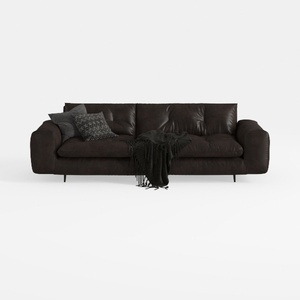

Modern Dark Leather Three Seater Sofa with Throw Pillows and Blanket 3D Model
Homestyler is a powerful online home design platform offering easy-to-use design tools, stunning 3D renderings, and a vast collection of interior projects. With helpful DIY video tutorials, it’s perfect for bringing your interior design ideas to life effortlessly.
Diseño ahora GRATIS
































