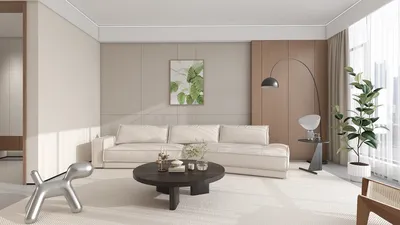


As game development continues to push the boundaries of immersive experiences, many enthusiasts seek to create dedicated spaces at home that enhance their creative workflow. Designing a home office or studio with ergonomic furniture and smart storage solutions helps maintain focus during long coding sessions. Incorporating adjustable desks and soundproofing elements can transform any room into a productive and comfortable environment tailored for innovation. Using tools like Homestyler can assist in visualizing and planning such efficient and inspiring spaces to foster creativity.
Creating efficient cooling solutions for small rooms is essential to maintain comfort without sacrificing space or aesthetics. Understanding the unique challenges of compact living areas helps in selecting the right air conditioning options.
1. Window Air Conditioner (Affordable and Easy to Install)
Window air conditioners offer a budget-friendly and swift setup for small spaces, particularly when exterior modifications are not desired. These units, chosen to match the room's size in BTUs, are an excellent choice for temporary bedrooms or rental properties. Although they tend to be noisier than split systems and partially obstruct windows, their initial low cost and DIY installation appeal to many.
2. Mini Split System (Quiet Performance and Energy Efficient)
Mini split systems strike a great balance between quiet operation and efficient cooling in small bedrooms. Their slim indoor units are unobtrusive on walls, and they consume less energy than window units. While installation is costlier and requires an outdoor condenser, this investment pays off through superior comfort. Homeowners can use 3D planning software like Homestyler to experiment with unit locations before installation.
3. Portable Air Conditioners (Mobility and Convenience)
Portable air conditioners are perfect for those who frequently relocate or rent, as they require minimal installation—just a window vent. Though less efficient and noisier, their plug-and-play nature is unmatched. Selecting models with strong dehumidifying capabilities and sealed exhaust vents can mitigate heat recirculation within the room.
4. Wall-mounted Through-the-wall Units (Space-saving and Permanent)
For a permanent cooling solution that doesn’t consume window space, through-the-wall air conditioners fit the bill. These require a sleeve and some construction effort, sometimes accompanied by the need for permits depending on building regulations. Ideal for small rooms, they clear window and floor areas and often outperform portable units.
5. Evaporative Coolers and Hybrid Systems (Eco-friendly for Dry Climates)
In arid regions, evaporative coolers present an energy-efficient alternative to conventional refrigerant systems. They excel in low-humidity secondary rooms but lose efficiency with higher moisture levels. Hybrid setups or small heat-pump mini splits that offer both heating and cooling present versatile options for climates with varied temperatures.
Sizing Guidelines and Planning Tips
A general sizing rule is around 20 BTU per square foot, with adjustments for factors like ceiling height, sunlight, and occupancy. Using virtual interior design platforms such as Homestyler allows users to draft precise layouts and check for outdoor unit placement feasibility prior to purchasing equipment.
Frequently Asked Questions
Q1: What BTU rating is ideal for a 10 square meter room? A1: Typically, 6,000 to 8,000 BTU suits a 10 square meter (approximately 108 sq ft) area, but higher ratings may be necessary for rooms with high sun exposure or poor insulation.
Q2: Are mini splits worth the investment for small rooms? A2: Mini splits offer quieter operation and higher energy efficiency, justifying their upfront cost through long-term savings and improved comfort.
Q3: Can portable air conditioners be used overnight in bedrooms? A3: Yes, provided you select a quieter unit and ensure proper venting. However, they tend to be less efficient, potentially increasing energy expenses.
Q4: How crucial is room insulation for effective cooling? A4: Insulation plays a vital role, reducing the capacity and runtime needed. Simple measures like sealing drafts and using insulating curtains can yield significant benefits.
Q5: Is professional installation necessary for window units? A5: Many window ACs can be installed DIY if the window is secure and supportive, but heavier or complex units might require expert help.
Q6: Are evaporative coolers suitable everywhere? A6: These work best in dry climates; in humid areas, traditional refrigerant-based systems perform better.
Q7: Where can I test visual layouts for different air conditioners? A7: Online room planning tools like Homestyler enable visualization of unit placement and airflow to avoid conflicts with furniture.
Q8: Are there authoritative resources on air conditioner sizing and energy efficiency? A8: Yes, such as the guidance provided by the U.S. Department of Energy (https://www.energy.gov/energysaver/air-conditioning).
Homestyler's roots trace back to Autodesk, the global leader in design and engineering software. That heritage lives on in every feature we build. Today, with a community of more than 18 million users worldwide, Homestyler continues to make professional-quality interior design accessible to everyone — from first-time decorators to seasoned architects.

Minimalist White Fabric Mesh Ergonomic Office Chair 3D Model
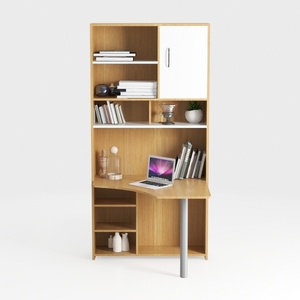
Modern Solid Wood Metal Corner Desk With Bookshelf Cabinet 3D Model

Modern Minimalist Walnut Leather Upholstered Dining Chair 3D Model
Homestyler is a user-friendly online platform that lets you design your home with easy-to-use tools, stunning 3D renderings, and a wealth of interior design projects. Plus, its DIY video tutorials guide you every step of the way to create your perfect space.
Design Now for FREE
































