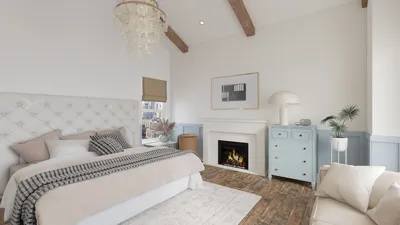


Incorporating the nostalgic charm of iconic figures like Macaulay Culkin can inspire unique fashion and lifestyle choices that translate beautifully into home design. Embracing a playful yet refined aesthetic reminiscent of the '90s can guide the selection of statement furniture pieces that blend comfort with character. This approach encourages spatial planning that balances personal memorabilia with modern functionality, creating living spaces that feel both familiar and stylish. Utilizing tools like Homestyler can help seamlessly integrate these design inspirations into your home layout, merging nostalgia with practicality.
Downsizing is a major life decision—whether it’s triggered by children moving out, retirement, or a desire for simpler living. Trying to fit your entire collection of furniture and belongings into a more compact living space, however, can present serious challenges without careful organization and planning.
Fortunately, digital room planners like Homestyler allow you to map out every detail of your new space ahead of time. This kind of planning ensures that you only move furniture that suits the new home, arrange items thoughtfully from the start, and transform smaller spaces into areas that truly meet your needs.
This article provides a step-by-step roadmap for effective room planning during downsizing, outlining practical strategies and digital tools that accelerate the process while reducing stress.
Why Careful Room Planning Is Crucial When Downsizing
Moving to a larger residence offers flexibility; mistakes with furniture sizing are inconvenient but manageable. Conversely, downsizing demands precision—an oversized couch could block a vital window, a dining table might crowd a compact area, or a bulky dresser could obstruct doorways.
Every inch counts because the available space is limited. That’s why starting with a precise digital floor plan using a platform like Homestyler before touching your belongings can save time and headache, a fact many wish they learned earlier.
Planning ahead allows you to:
Step 1: Double-Check All Measurements
Before using any digital app or room planner, obtain accurate dimensions for your current furniture and for the rooms in your new home.
Document the size, shape, and special features for each new room, and record the measurements of every piece of furniture you plan to keep.
When downsizing, keep in mind that if a furniture item needs more than 18 inches of clearance around it to function comfortably, it might not be appropriate for a smaller space.
Step 2: Create an Accurate Floor Plan First
Avoid diving directly into furniture arrangement. Instead, start by digitally drafting your new home's layout.
Using a free floor plan creator like Homestyler lets you insert precise room dimensions, add doors and windows, and develop a scale model before positioning any furniture. This foundational step simplifies every subsequent decision.
Mark traffic paths right away. In smaller dwellings, corridors from front entrance to kitchen or bedroom to bath must stay unobstructed—avoid placing furniture in these critical flow areas.
Step 3: Employ a Room Planner Online Before the Move
This phase is where many people save (or waste) substantial time and effort.
A web-based room planner enables you to drag scaled models of furniture into the floor plan, rotate or rearrange them intuitively, and confirm the practicality of layouts before relocation. Tasks that once involved pencil and paper now take minutes with digital tools.
For example, Homestyler allows generating 3D visualizations of your planned rooms, showing lighting, textures, and depth perception. This is especially valuable when downsizing since a smartly arranged small room can feel noticeably more spacious and inviting.
Step 4: Tackle One Room at a Time
While it might be tempting to conceive of the entire home’s layout in one go, focus on individual rooms sequentially based on priority.
Utilize your room planner to explore at least three distinct configurations per room. Initial arrangements often aren’t the best, so testing alternatives is key.
Step 5: Make Informed Keep, Sell, or Donate Decisions
Once you finalize each room’s layout digitally, use the data to decide which pieces to keep, sell, or donate.
Keep furniture that fits the room, serves a clear purpose, and complements the new style.
If a beloved item hasn’t yet been placed in the plan, measure it and check feasibility. If it disrupts flow or crowdedness, it’s usually best to part with it.
Sell or donate pieces proven incompatible by your layout. Visual 3D feedback reinforces letting go by highlighting how the room improves without bulky items.
This evidence-based approach helps overcome the emotional difficulty linked to downsizing—you’re not simply discarding belongings, but optimizing the space for better living.
Avoid These Common Downsizing Layout Errors
Holding onto oversized sofas simply to 'test' rarely works out; size restrictions are absolute, and moving large furniture wastes resources and risks damage.
Neglecting to factor in door swing clearance reduces functional room area, especially critical in tight spaces. Ensure that your digital room planner accounts for full door arcs.
Attempting to replicate past layouts in a smaller home poses problems; the new space demands a fresh approach tailored to its dimensions.
Forgetting about lighting can make rooms feel cramped. Use 3D room planners to ensure natural light isn’t blocked by furniture arrangements, particularly in key living spaces.
Planning around uncertain pieces can mislead you—decide in advance what stays, so you can plan accurately.
Tools That Simplify Downsizing Room Design
Most successful downsizers follow a workflow: precise measuring, floor plan creation, furniture arrangement using an online planner like Homestyler, previewing in 3D, then finalizing keep/sell choices.
Navigating the Emotional Landscape of Downsizing
Downsizing transcends logistics; it’s an emotional shift. Familiar homes encapsulate years of memories, and furniture often carries sentimental value beyond mere functionality.
Having a clear and visual layout plan can ease this transition. Seeing how a cherished chair fits perfectly with afternoon sunlight in your new living room helps make tough decisions, like letting go of an oversized sectional, more manageable.
Planning offers a hopeful vision of your future space, rather than focusing solely on what you’re leaving behind.
Begin Planning Your Compact Living Space Today
Whether your move is months or weeks away, starting your room planning now ensures you avoid last-minute dilemmas and irreversible choices.
Explore Homestyler's free room planner online to draft your new floor plan, layout furniture, and generate 3D previews. This empowers you to know exactly what to bring, what to sell, and how your home will feel before moving day arrives.


Homestyler is an easy-to-use online home design platform offering powerful 3D rendering, a vast collection of interior design projects, and helpful DIY video tutorials—perfect for bringing your home ideas to life with professional results.
Design Now for FREE
































