

Direct Answer
Pursuing a diploma in interior design right after 10th grade offers the quickest and most accessible route to enter the design field, whereas obtaining a degree provides comprehensive academic learning and wider career opportunities over time. The ideal path depends on your budget, timeline, and whether you aim for early practical experience or a formal university credential.
Quick Takeaways
Introduction
A frequent inquiry from students and parents is deciding between a diploma or a degree in interior design after completing 10th grade. With over ten years of experience handling residential and commercial projects and working alongside designers from different educational backgrounds, I've observed that exceptional junior designers emerge from both diploma and degree programs.
Many assume that holding a degree is always superior, yet the interior design industry values portfolios, spatial reasoning, and hands-on technical prowess often more than the formal title of one's educational attainment.
For those keen on early career entry, gaining an understanding of visual room planning workflows, such as those utilized in modern studios employing Homestyler software, can illuminate the profession’s practical nature.
This guide outlines the fundamental distinctions between diplomas and degrees regarding curriculum content, expenses, career trajectories, and industry standards to help students select the best educational route in interior design.
Understanding Diploma vs Degree in Interior Design
Key Insight: Diplomas emphasize hands-on design skills and quicker workforce entry, while degrees provide in-depth academic study, research training, and specialized professional knowledge.
Each path serves distinct industry demands. Diploma programs aim to produce job-ready junior designers rapidly, whereas degree courses cover broader foundations, including design theory, architectural principles, and history.
Within my studio, diploma holders often demonstrate early proficiency in design software, layout planning, and client presentations. Conversely, degree graduates tend to excel in conceptual thinking and research capabilities.
Neither option is inherently better; the suitable choice depends on how soon one wants to begin working and the desire to delve deeply into design theory.
Eligibility Requirements for Each Path
Key Insight: Students can enroll in diploma courses immediately after 10th grade, while most degree programs require completion of 12th grade.
This eligibility distinction often influences younger students' decisions between diploma and degree pathways.
Due to this, many start with a diploma to gain industry exposure and later pursue a degree for advanced specialization.
Course Duration and Curriculum Differences
Key Insight: Diploma courses focus on fast skill acquisition and practical tools; degree programs incorporate design theory, architectural basics, and research-oriented projects.
After reviewing portfolios from both diploma and degree graduates during recruiting processes, the curricular contrasts become apparent.
Contemporary design studios rely heavily on digital visualization tools—like Homestyler—which enable rapid 3D floor plan iterations during design development, making software training a central element of diploma studies.
Cost and Accessibility for Students After 10th
Key Insight: Diplomas offer a more affordable and accessible path for students seeking expedited career starts in interior design.
Cost considerations are frequently overlooked when comparing diploma and degree options post-10th grade.
For students uncertain about committing to extended academic programs, beginning with a diploma can serve as a practical way to verify their passion for interior design.
Answer Box
The main distinction between a diploma and a degree in interior design lies in speed versus scope. Diplomas emphasize swift, hands-on job readiness, whereas degrees provide extensive academic knowledge and long-term specialization paths.
Career Opportunities After Diploma vs Degree
Key Insight: Both credentials can pave the way for interior design careers, though degree holders may access higher-level positions later on.
Employers prioritize portfolio quality over academic qualifications at early career stages. Demonstrating clear layout skills, material understanding, and effective communication of design concepts is essential.
Regardless of education path, spatial reasoning and layout planning proficiency remain crucial. Many studios utilize systems that transform rough space ideas into precise floor plans quickly—skills honed by leveraging tools like Homestyler.
Which Option Is Best for Different Career Goals
Key Insight: Choice depends on whether one prioritizes rapid workforce entry or comprehensive academic development for a long-term design career.
After mentoring numerous junior designers, I advise considering individual learning preferences and financial capacity before picking a pathway.
Interestingly, many combine approaches—starting with a diploma for early experience and later earning a degree to deepen knowledge and career prospects.
Final Summary
FAQ
Can I study interior design right after 10th grade?
Absolutely. Several institutes offer diploma programs welcoming students immediately following 10th grade.
Is pursuing a diploma in interior design worthwhile after 10th?
Yes, especially if you desire practical skills and early exposure in the design field. Many successful designers initiate their journeys with diplomas before advancing academically.
What fundamentally separates a diploma from a degree in interior design?
The primary difference lies in depth and length: diplomas focus on hands-on training, whereas degrees cover wide-ranging academic study.
Can diploma holders become professional interior designers?
Indeed. Numerous accomplished designers began with diplomas, building strong portfolios through internships and real-world projects.
Which course duration is shorter in interior design education?
Diploma courses are comparatively shorter, often lasting between six months to two years.
Does a degree provide superior career opportunities?
Degrees can unlock advanced roles and international prospects, though the quality of your portfolio remains the top deciding factor.
Should I opt for a diploma or a degree in interior design?
Choose a diploma for faster field entry; select a degree if you seek comprehensive academic training and specialization over time.
Can I pursue a degree after completing a diploma?
Yes, many students start with a diploma and later enroll in bachelor's programs to further their professional development.
References
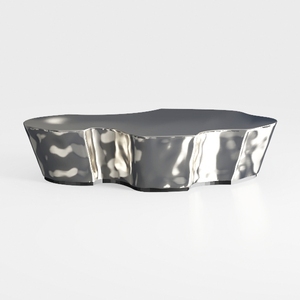

Modern Polished Metal Irregular Shaped Coffee Table 3D Model

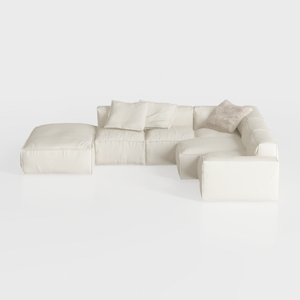
Minimalist Cream Fabric L Shaped Sectional Sofa 3D Model
Homestyler offers an easy-to-use online design tool with stunning 3D renderings, inspiring design projects, and helpful DIY video tutorials. It’s perfect for visualizing and creating your ideal home space effortlessly, whether you’re a beginner or a design enthusiast.
Design Now for FREE
































