

As enthusiasm for the latest PlayStation Plus June 2026 games grows, many gaming enthusiasts seek to enhance their home entertainment spaces to match their evolving digital lifestyle. Creating a dedicated gaming nook with ergonomic seating and optimized lighting not only improves comfort but also complements the immersive experience these new titles offer. Thoughtful spatial planning can transform a typical room into a versatile hub for relaxation and entertainment.
Several years ago, I worked on designing a kid’s bedroom where the parents proudly mentioned their son LOVED sports. Upon entering, it resembled less a bedroom and more a sporting goods store aftermath — basketballs rolling across the floor, jerseys crumpled on chairs, and a soccer net blocking the closet. This scene is far too familiar in my experience.
That project taught me a valuable lesson: while sports-themed rooms are fun, a poor layout quickly turns them chaotic. The upside? Small spaces often ignite the most innovative design solutions. I’ve found that a well-thought-out plan transforms sports gear from clutter into a seamless part of the décor.
In this article, I’ll share five effective layout strategies I frequently apply when designing children’s sports rooms. These help keep the space stylish, practical, and adaptable as the young athlete grows.
Planning Zones in a Sports-Themed Kids' Room
When designing a sports-themed bedroom, I start by zoning rather than focusing on decoration. Children need areas to sleep, study, and play, and sports equipment can easily spill into all these spaces if left unmanaged.
Typically, I map out these zones before placing any furniture. Segmenting sleep, play, and storage areas immediately brings order to a room, even when it contains an abundance of gear.
One challenge is resisting the urge to fill every surface with themed decoration. I’ve discovered that leaving some breathing space actually lends the sports theme more intentionality.
Combining Decoration and Play Space
A common mistake parents make is turning the bedroom into a sports museum, plastering walls with posters, trophies, and memorabilia. The consequence? The child lacks sufficient room to move and play.
My preferred guideline is that a sports-themed room should still allow room for play, even if limited. Having a clear floor area for stretching, practicing footwork, or tossing a soft ball makes the environment more enjoyable.
Sometimes, the smartest design choice is to remove items rather than add more. Many clients are surprised when decluttering improves both aesthetics and usability.
Utilizing Sports Gear as Functional Decor
One of my favorite design techniques involves incorporating sports equipment into the room’s visual appeal rather than hiding it. Mounted skateboards, neatly organized tennis rackets, or a line of basketballs on open shelving can look striking.
Before purchasing shelving or display units, I use tools like Homestyler to visualize the entire bedroom in 3D. This helps ensure the gear balances well with the room’s scale and doesn’t overwhelm the space.
An additional benefit is that kids tend to care more about their gear when it has a dedicated display—turning it into a personal sports gallery.
Optimizing Wall Space for Sports Displays
Walls are often underutilized assets in sports rooms. Instead of bulky cabinets, vertical storage solutions keep floors clear and maintain open space.
Pegboards, floating shelves, and slim racks are excellent for hanging jerseys, medals, and lighter equipment. I’ve even installed narrow wall rails for items like baseball bats or hockey sticks—functional, safe, and visually appealing.
The key is grouping similar items together, avoiding scattered displays. A single well-organized wall often makes a stronger design impact than multiple themed corners.
Innovative Storage for Balls, Jerseys, and Gear
Balls notoriously cause trouble in sports bedrooms—they roll, bounce, and mysteriously disappear under furniture. My solution is a combination of open bins and vertical racks that contain balls efficiently yet keep them accessible.
When designing these storage systems, I suggest considering flexible layouts that accommodate growth. What works for a seven-year-old soccer enthusiast may need to adapt when that same child shifts to basketball or baseball.
Adjustable shelves, movable containers, and modular cubbies ensure the room’s storage remains versatile without requiring a complete overhaul every few years.
Frequently Asked Questions
1. What is the ideal layout for a sports-themed kids' bedroom?
The best layout divides the space into distinct zones for sleeping, studying, and sports equipment storage. Keeping these separate helps prevent gear from overwhelming the room.
2. How can sports equipment be stored effectively in a small bedroom?
Vertical storage solutions such as wall racks, pegboards, and floating shelves maximize space. Open bins and baskets help keep balls and gear organized and accessible without cluttering the floor.
3. Is it possible to use sports gear as room decor?
Absolutely. Displaying items like skateboards, jerseys, or rackets on walls creates a personalized sports gallery while saving storage space.
4. How much open space should be maintained in a child's sports room?
Aim to keep at least 30 to 40 percent of the floor clear. This space allows kids to move freely, stretch, or practice without bumping into furniture.
5. What lighting is best for a sports-themed bedroom?
Layered lighting works well: overhead lighting ensures general brightness, desk lamps support focused tasks like homework, and accent lights highlight sports displays.
6. How can jerseys be displayed without causing damage?
Shadow boxes or framed displays offer good protection. According to textile preservation guidelines, jerseys should be kept out of direct sunlight to prevent fading.
7. What furniture suits a sports-themed kid’s room best?
Furniture with built-in storage such as beds with drawers, storage benches, and modular shelving helps manage equipment while minimizing clutter.
8. How can the sports bedroom design evolve as the child grows?
Select adaptable storage systems and neutral furniture bases. The sports theme can be updated over time by swapping decor, posters, and display items.
What began as an Autodesk innovation has evolved into a design platform used by more than 18 million people around the globe. Homestyler combines powerful rendering, an intuitive editor, and a vast furniture library to help you turn inspiration into photorealistic designs — whether you're redesigning a single room or planning an entire home.
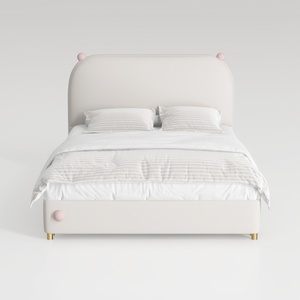
Modern Cute Kids Upholstered Bed with Pink Decorative Accents 3D Model

Modern Minimalist Fluted Glass Solid Wood Brass Nightstand 3D Model


Minimalist Modern Fabric Curved Headboard King Bed 3D Model
Homestyler offers an easy-to-use online design tool with stunning 3D renderings, a vast collection of interior projects, and helpful DIY video tutorials—perfect for creating and visualizing your dream home design effortlessly.
Desain sekarang Gratis
































