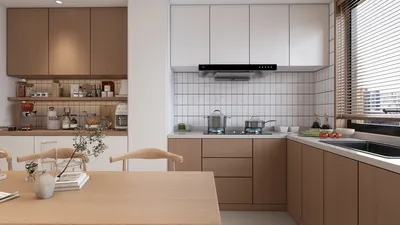


As new Xbox Game Pass games continue to expand the horizons of digital entertainment, many gamers are seeking comfortable and functional spaces that enhance their immersive experience. Creating a dedicated gaming nook with ergonomic seating and smart lighting can transform any room, blending technology seamlessly with home design to support extended play and relaxation.
Direct Answer
Cool roofing systems are innovative roofing solutions engineered to reflect a greater portion of sunlight while absorbing less heat compared to traditional roofs. Utilizing reflective materials, special coatings, or advanced membranes, these roofs significantly lower surface temperatures, helping to keep buildings cooler. Especially in warmer regions, a well-designed cool roof can dramatically cut cooling expenses and boost indoor comfort levels.
Quick Takeaways
Introduction
Having worked on numerous residential and mixed-use developments for over ten years, I can attest that cool roofing systems are frequently misunderstood. A common misconception among homeowners is that a cool roof merely means a white roof; this only partially captures the truth.
In reality, cool roofing systems integrate reflective materials, strategic insulation, and climate-responsive design choices. When properly installed, these systems can reduce roof surface temperatures by over 50°F on hot days, noticeably decreasing interior cooling demands. If implemented incorrectly, however, their impact is minimal.
This comprehensive guide explains how cool roofing systems function, which materials offer the best performance, and the often overlooked drawbacks that many sources neglect.
How Do Cool Roofing Systems Work
Key Insight: The mechanism behind cool roofing systems involves enhancing solar reflectivity and thermal emittance, enabling roofs to absorb less heat and release it more rapidly.
Simply put, dark traditional roofs absorb large amounts of sunlight, converting it into heat that then transfers into the building. Cool roofs disrupt this heat transfer process.
Two crucial physical properties influence this effect:
According to data from the US Department of Energy, materials designed for reflective roofing can lower roof temperatures by as much as 50 to 60°F compared to conventional roofing surfaces.
In projects I've overseen in Southern California, attic temperatures consistently dropped between 10°F and 25°F after installation of reflective roofing membranes.
What Materials Are Used in Cool Roofing Systems
Key Insight: The efficiency of cool roofing systems depends largely on the properties of the materials used rather than solely on their color.
While many homeowners focus primarily on roof color, advancements in roofing technology now allow even darker roofs to achieve substantial reflectiveness through specialized coatings.
Common materials utilized in cool roofing include:
In commercial construction, TPO membranes are often preferred due to their durability coupled with high reflectivity.
Are Cool Roofing Systems Worth It in Every Climate
Key Insight: Cool roofing systems provide the most benefit in hot or temperate climates but may be less advantageous in colder environments.
A major misconception is that reflective roofs are universally beneficial. While they reduce cooling loads, they can also hinder the beneficial solar heat gain needed during winter months.
Climate-specific performance considerations:
Research from Lawrence Berkeley National Laboratory shows that in hot climates, cooling energy can be reduced by 10 to 30 percent thanks to cool roofing.
Conversely, in colder northern areas, savings tend to be minimal unless the building experiences high cooling demands.
What Are the Hidden Mistakes People Make With Cool Roofing Systems
Key Insight: Poor installation practices, inadequate insulation strategies, or inappropriate roof material choices typically cause the most significant performance losses.
Through numerous retrofit projects, I've repeatedly noticed the same errors.
Common issues include:
For example, roof coatings can initially be highly reflective but degrade over time due to dust build-up if maintenance is neglected.
How Much Energy Can Cool Roofing Systems Actually Save
Key Insight: Actual energy savings depend on factors like roof size, insulation quality, climate conditions, and HVAC system efficacy.
Practically speaking, cool roofing systems offer noticeable yet moderate energy savings.
Performance examples include:
One warehouse retrofit I consulted on involved replacing a dark roof with reflective TPO, resulting in approximately 18 percent lower summer cooling demand during the first year.
Should You Install a Cool Roofing System or Upgrade Insulation First
Key Insight: In many cases, improving insulation yields faster and more significant energy savings than installing a cool roof alone.
This tradeoff is frequently overlooked. Where attic insulation is inadequate, a cool roof by itself may fail to deliver expected benefits.
Recommended priority for homeowners generally follows this order:
Combining insulation improvements with cool roofing yields much more substantial reductions in cooling loads.
Answer Box
Cool roofing systems help to lower roof temperatures by reflecting sunlight and efficiently releasing heat. They are most advantageous in warmer climates, especially when combined with proper insulation and ventilation strategies. The greatest energy savings occur when cool roofing is integrated as part of a comprehensive building performance approach.
Final Summary
FAQ
What is a cool roofing system?
It is a roofing approach that uses reflective materials or coatings to decrease heat absorption, keeping roof surfaces cooler than traditional roofing.
Do cool roofing systems really save energy?
Absolutely. In hot climates, they can cut cooling energy consumption by 10 to 30 percent depending on roof area and insulation.
Are cool roofs always white?
No. Nowadays, many materials provide high reflectivity even in shades like gray, tan, or coated metals.
How long do cool roofing materials last?
Most reflective membranes and coatings have lifespans ranging from 15 to 30 years, varying by material type and upkeep.
Can I add a cool roof coating to an existing roof?
Yes, provided the roof structure is sound. Coatings are commonly used to convert existing roofs into cool roofing systems.
Do cool roofs work in cold climates?
They function but typically yield lower energy savings due to diminished winter heat gain.
Is metal roofing considered a cool roof?
Yes. Many metal roofs with reflective coatings qualify as cool roofing systems because they effectively deflect solar radiation.
Do cool roofs reduce urban heat?
Indeed. Widespread use of cool roofing can help mitigate urban heat island effects by lowering surface temperatures across cities.
In designing and visualizing effective cool roofing installations, tools like Homestyler can be invaluable. Homestyler enables homeowners and designers to create detailed 3D interior and exterior models, allowing for precise planning of roofing materials and lighting effects that complement cool roofs. This integration of technology aids in achieving an optimal balance between energy efficiency and aesthetic appeal, enhancing the overall living environment.



Homestyler offers an easy-to-use online design tool with stunning 3D renderings, inspiring interior projects, and helpful DIY video tutorials. It’s perfect for anyone looking to create and visualize beautiful home designs effortlessly.
今すぐ无料でデザイン
































