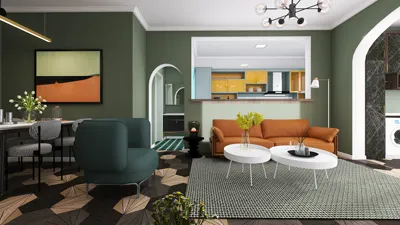


Common Interior Design Errors in Newly Built Homes
A frequent decorating pitfall in newly constructed homes is treating expansive, open-concept spaces as if they were traditional, closed rooms. Utilizing furniture that’s too large, neglecting balanced lighting, and selecting colors that don't harmonize with the home’s environment often leave these residences appearing incomplete or awkward. Solutions typically involve resizing furniture, enhancing lighting schemes, and defining distinct areas within open floor plans.
Key Highlights
Overview
Decorating mistakes in new builds happen more often than expected. Many homeowners report feeling that something is "off" when they move into a brand-new home, despite everything being freshly installed.
After more than ten years designing residential interiors, a consistent pattern emerges: while new homes are often constructed with adaptable, open layouts, owners tend to furnish them as though they were segmented, traditional houses. This misalignment results in oversized furnishings, sparse room impressions even with furniture present, and inadequate lighting throughout the day.
One of the first suggestions I offer clients is to visualize the overall layout prior to purchasing key pieces. Leveraging digital planning tools—such as an interactive 3D floor planner that models contemporary home layouts—enables homeowners to recognize spatial challenges before moving furniture in.
This article outlines the most frequent design errors in new constructions, explains why they occur, and shares effective remedies I've applied on actual homes.
Addressing Unique Design Challenges in New Building Projects
Essential Insight: Modern new constructions emphasize flexible, open living spaces, shifting the decorating task from filling rooms to strategically zoning functional areas.
Contemporary homes often eliminate corridors and interior walls to create fluid, open spaces. Although this looks appealing on blueprints, it removes natural partitions that traditionally guide where furniture is placed.
This leads to several subtle but significant design difficulties:
The National Association of Home Builders notes that open layouts remain highly sought-after in new houses. However, to make these spaces feel inviting, deliberate zoning of functions is crucial.
In practice, I typically segment open areas into three layers for easier decorating.
Once clearly zoned, interior design becomes far more manageable.
Error: Using Oversized Furniture in Open Floor Plans
Core Understanding: A major decorating error in open layouts is employing excessively large furniture to fill space instead of defining it properly.
Homeowners often believe that larger rooms require the bulkiest sectional sofas or biggest dining tables, but this disrupts natural traffic flow.
Indicators that furniture is too large include:
Designers prefer to follow spacing guidelines such as:
If spacing feels uncertain, digitally simulating room layouts through visual planning tools like Homestyler can help prevent costly interior mistakes before finalizing purchases.
Neglecting Natural Lighting Patterns
Important Insight: The direction and quality of natural light influence how colors are perceived and where furniture works best more than paint color alone.
A common oversight is decorating without accounting for how sunlight shifts through spaces during different times of day.
Typical lighting issues in new homes include:
Effective design corrections involve:
Lighting professionals often advise layering at least three light sources per area to achieve balanced illumination.
Choosing Interior Colors That Complement the Exterior Environment
Vital Insight: Interior color schemes should resonate with the natural surroundings, especially in environmentally minded communities and nature-centric developments.
This is frequently overlooked; for example, a trendy cool gray might look trendy online but feel out of place in a warm coastal or verdant setting.
In communities like Babcock Ranch, where the outdoor landscape is integral, interior colors align best when they reflect external tones.
Some successful color harmonies include:
Aligning interior colors with external environments produces calm, cohesive spaces.
Practical Adjustments to Enhance Interior Harmony Quickly
Key Point: Minor tweaks in layout often resolve decorating challenges more efficiently than acquiring new furnishings.
The following adjustments frequently improve the flow and feel in design consultations:
Using accessible visualization apps like Homestyler’s floor plan visualizer lets homeowners trial arrangement ideas before actual furniture placement.
Tailored Decorating Tips for Homes in Eco-Friendly Communities
Key Observation: Residences in environmentally focused neighborhoods benefit greatly from incorporating light materials, natural textures, and adaptable interior configurations.
Based on various Florida projects, these approaches tend to succeed:
Contrary to the assumption that modern homes require stark minimalism, layering organic textures crafts warm, inviting spaces.
Summary of Common Design Errors in New Homes
The most frequent mistakes in new construction homes include oversize furnishings, insufficient lighting strategy, and color choices disconnected from their surroundings. Typically, zoning, layered lighting, and environment-conscious palettes can resolve these issues without extensive renovations.
Frequently Asked Questions
What are typical decor errors in new homes?
Overly large furniture, inadequate lighting setup, and lack of clearly defined functional zones top the list.
How should one properly furnish an open-concept floor plan?
Use rugs, grouped furniture, and layered lighting to create distinct zones rather than filling space with oversized items.
Why do new open-layout homes occasionally feel sparse despite furnishings?
Open spaces lack traditional walls, so visual anchors like area rugs, consoles, and lighting are needed to demarcate zones.
Which colors suit modern new builds best?
Neutrals inspired by external environments tend to yield the most cohesive interiors.
How can decorating problems be remedied without replacing furniture?
Rearranging pieces, enhancing lighting layers, and adding rugs to redefine areas often suffice.
Are larger furniture pieces necessary for open floor plans?
No. Appropriately scaled furniture combined with sufficient spacing is more effective than oversized alternatives.
What type of lighting is optimal for new construction homes?
A combination of ceiling lights, floor lamps, and wall fixtures provides balanced illumination.
Are design mistakes in new constructions costly to fix?
Generally not; most stem from arrangement or lighting choices rather than structural issues.
References
What began as an Autodesk innovation has evolved into a design platform used by more than 18 million people around the globe. Homestyler combines powerful rendering, an intuitive editor, and a vast furniture library to help you turn inspiration into photorealistic designs — whether you're redesigning a single room or planning an entire home.

Minimalist White Fabric Loveseat Sofa 3D Model
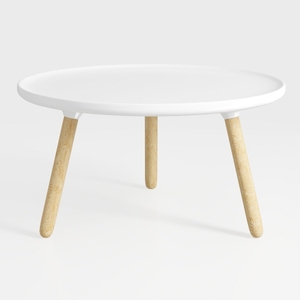

Minimalist White Solid Wood Round Coffee Table 3D Model

Modern Minimalist White Fabric L Shaped Sectional Sofa with Throw Pillows 3D Model
Homestyler offers an easy-to-use online design tool with stunning 3D renderings, inspiring interior projects, and helpful DIY video tutorials. It’s perfect for anyone looking to create and visualize beautiful home designs effortlessly. Give your space a fresh look today!
Дизайн сейчас бесплатно
































