

Direct Answer
The key distinction between a classic estate layout and a contemporary open concept mansion lies in zoning versus openness. Estate layouts segment the residence into formal wings and private quarters, whereas open concept mansions emphasize spacious, interconnected living areas. For ultra-large homes nearing 18,000 square feet, the optimal design often depends on the homeowner's preferences for privacy, entertaining capacity, and operational ease.
Quick Takeaways
Introduction
Designing a luxury mansion floor plan goes beyond just square footage. Over my decade-long experience with expansive residential projects, I've observed that clients frequently wrestle with the fundamental layout philosophy: should it be a traditional estate design with wings, corridors, and formal rooms, or a modern open concept mansion where spaces seamlessly flow together?
This question gains even greater importance as homes approach 18,000 square feet. At such scale, layout choices greatly influence daily functionality. I've encountered breathtaking mansions that became inconvenient to live in simply because their layouts clashed with the owners' lifestyles.
A practical first step is to visualize spatial circulation at scale. Homeowners can use tools like Homestyler to explore large luxury home layouts in interactive 3D environments. This helps them grasp the differences between these two philosophies before construction begins.
Below, I'll explain the core differences between estate layouts and open concept mansion designs, highlighting several tradeoffs many articles overlook.
save pin
Traditional Estate Layout Overview
Key Insight: Traditional estate designs organize vast homes through hierarchical zoning that separates formal, private, and service areas.
This method originates from historical European manor houses and American Gilded Age estates, where the priority was order and privacy rather than openness.
Common features include:
In projects I've participated in exceeding 15,000 square feet, this zoning approach effectively addresses a major issue in large homes: spatial exhaustion. When large houses are fully open, they can feel overwhelming and surprisingly noisy.
Architectural historian Witold Rybczynski extensively discusses how traditional homes arranged "room sequences" to manage movement and privacy — a concept especially valuable for homes over 10,000 square feet.
Modern Open Concept Mansion Design
Key Insight: Modern open concept mansions prioritize visual expansiveness and social connectivity with large communal spaces rather than distinct rooms.
This philosophy emerged prominently in luxury homes in the early 2000s, as owners favored informal entertaining and indoor-outdoor integration.
Typical elements include:
The clear benefit is a dramatically larger and more sociable feel. When executed well, an open concept mansion facilitates the natural movement of dozens of guests throughout its spaces.
However, I've also witnessed drawbacks during actual occupancy. Without careful zoning, sound travels freely, causing the home to resemble a luxury hotel lobby more than a private residence.
save pin
Privacy and Zoning Differences
Key Insight: Maintaining privacy becomes significantly more challenging in fully open layouts once home size exceeds 12,000 square feet.
Here, the debate between estate layout and open concept mansion moves from style to practicality.
Crucial zoning distinctions include:
A common oversight in large house designs is neglecting to create "transition zones" within open public areas. These subtle buffers, such as galleries, vestibules, or libraries, help occupants move between spaces without feeling exposed.
Clients who use tools like Homestyler to simulate various zoning and spatial arrangements quickly see that privacy hinges on nuanced layout decisions, not merely square footage.
save pin
Entertaining and Guest Flow Considerations
Key Insight: Open concept mansions excel at hosting large parties, whereas estate layouts provide more comfortable accommodations for overnight guests.
This difference becomes apparent in real event scenarios.
Advantages of open concept for entertaining include:
Estate layout benefits for hosting encompass:
In ultra-luxury residences, many architects are adopting "hybrid layouts," combining open public cores with enclosed guest wings, libraries, theaters, and offices.
This hybrid model has quietly become prevalent in new estates above 15,000 square feet.
Answer Box
The ideal luxury mansion floor plan seldom follows purely traditional estate or fully open concept models. Most successful homes near 18,000 square feet blend expansive open public living spaces with distinct private wings. This hybrid approach balances spaciousness with privacy and functional efficiency.
Maintenance and Operational Impacts
Key Insight: Larger open areas substantially increase HVAC expenses and upkeep complexity.
Though often overlooked in design discussions, this is a significant real-world concern.
Operational considerations include:
In one California 16,500 square foot project, dividing a two-story open great room into partially enclosed zones cut annual HVAC costs by nearly 18%.
Visualization tools like Homestyler allow designers and homeowners to preview large interiors realistically, aiding understanding of how spatial volume impacts lighting, acoustics, and comfort before building starts.
save pin
Which Layout Works Best for an 18,000 Sq Ft Home
Key Insight: For homes around 18,000 square feet, hybrid zoning consistently delivers the most livable outcomes.
Recent luxury projects indicate the most effective designs feature:
The objective isn’t a choice between traditional and modern. Rather, it’s about leveraging strengths from both to intelligently manage scale.
Indeed, many of today’s top luxury estates feel modern visually yet employ planning methods rooted in centuries-old principles.
Final Summary
FAQ
What differentiates estate layouts from open concept mansion designs?
Estate layouts partition the home into wings and separate rooms, while open concept mansions connect major living zones into large shared areas.
Are open concept designs suitable for very large mansions?
They work well for social spaces, but fully open plans can reduce privacy and increase noise in homes above 12,000 square feet.
What is the optimal layout for an 18,000 square foot mansion?
Most experts recommend a hybrid plan combining open communal spaces with distinct private wings.
Do estate layouts feel outdated?
Not necessarily. Many modern luxury homes reinterpret estate planning with contemporary architecture.
Are open concept mansions more costly to maintain?
Yes, they often necessitate larger HVAC systems and more lighting due to their expansive open volumes.
Which layout better supports hosting large gatherings?
Open concept designs facilitate smoother guest circulation and accommodate bigger groups easily.
Why do large mansions employ wings?
Wings create private zones, lessen noise transmission, and enable different areas to function independently.
Can estate and open concept designs be combined?
Absolutely. Many luxury residences feature open public areas alongside traditionally zoned private spaces.
References
Featured Image
fileName: luxury-mansion-estate-vs-open-layout.jpg
size: 1920x1080
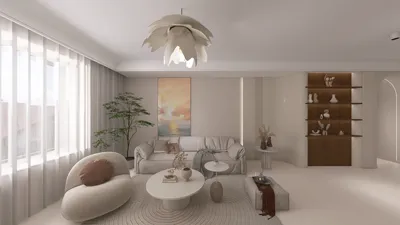
alt: comparison of traditional estate mansion layout and modern open concept luxury home interior
caption: Estate layout and open concept mansion comparison.

Vintage Tufted Dark Brown Leather Chesterfield Sofa 3D Model

Rustic Solid Wood Nesting Coffee Tables with Hairpin Legs 3D Model

Minimalist Black Fabric L Shaped Sectional Sofa 3D Model
Homestyler offers an easy-to-use online home design tool with stunning 3D renderings, inspiring design projects, and helpful DIY video tutorials. It’s perfect for bringing your interior design ideas to life quickly and creatively.
Progetta ora GRATIS
































