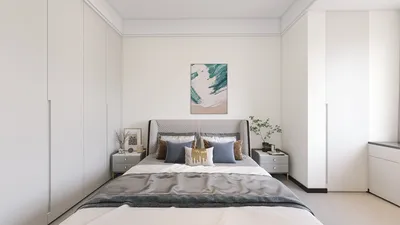


In today's smart homes, seamless integration of technology like the Nest app is key to managing comfort and security effortlessly. When the Nest app faces interruptions, it reminds us how crucial a reliable tech setup is in our living spaces. Designing furniture that accommodates smart devices while maintaining aesthetic harmony can enhance the overall functionality and atmosphere of any room, making technology a natural part of our home environment. Leveraging tools such as Homestyler can further help homeowners and designers create intelligent, cohesive spaces that perfectly blend smart technology and design elegance.
Executive Summary
The field of AI-driven home design has evolved from focusing solely on single-room decoration to encompassing comprehensive layouts for offices, retail areas, virtual real estate staging, and client-centered commercial interiors. This detailed guide explores how design experts—including interior decorators, architects, real estate professionals, and small business owners—can utilize AI-powered tools to plan, visualize, and showcase both residential and commercial spaces. You will discover a reproducible four-step workflow involving input preparation, AI generation, quality evaluation, and presentation. Additionally, this guide highlights where AI provides the greatest benefits across different space categories and clarifies AI's current limitations. Throughout, AI outputs are positioned as aids in planning and visualization rather than replacements for official approvals, technical documents, legal contracts, or firm budgets.
Why AI Design Workflows Now Span Residential and Commercial
Several industry shifts have expanded the relevance of AI home design platforms to commercial interiors and real estate sectors. These changes have bridged the gap, enabling residential interior designers to embrace boutique office projects without acquiring new tools, while real estate agents can effortlessly stage various spaces—from retail units to living rooms—using the same AI solutions.
Space Types and How AI Applies to Each
The Four-Stage AI Design Workflow
This workflow remains consistent across all space types; however, you should tailor the inputs according to your project's specifics while preserving the sequence.
Preparation is essential before engaging any AI platform:
Pro tip: For commercial projects, include adjacency details—for instance, stating "the break room should be positioned between the open desk area and the meeting suite"—ahead of uploading your plans. Early communication of spatial requirements enables AI models to better respect these constraints.
Begin by uploading your floor plan and project brief to the platform. The AI will quickly generate an initial 3D furnished scene, often delivering results in under 30 seconds.
At this exploratory stage, focus on generating multiple variations rather than seeking perfection. Produce at least three options: one that aligns closely with the brief, one that experiments creatively, and one that emphasizes budget-conscious design.
For virtual staging in real estate, upload an empty-room photograph, choose a style (such as Modern, Scandinavian, or Industrial), and allow the AI to furnish the space with appropriately scaled items, matching perspective and lighting. Reputable platforms label these staged images to comply with MLS regulations.
Consider every AI output as an initial draft. Evaluate it carefully for accuracy and suitability:
In commercial settings, simulate daily use scenarios to verify functionality — for example, "Upon entering at 9 AM, can I easily reach my desk, drop off belongings, and grab coffee without backtracking?"
Export your visuals in formats favored by your target audience:
For refined presentations, utilize AI-driven 3D visualization and rendering capabilities to create photorealistic still images and immersive 360° panoramas derived from the same model.
Where AI Delivers the Most Value by Sector
AI home design platforms empower homeowners and designers to rapidly answer the question, "How will this room appear when furnished?" By transforming a single floor plan into multiple furnished configurations with genuine furniture SKUs and precise measurements, these tools also enhance home office planning by optimizing ergonomic placements, monitor sight-lines, and storage within existing rooms — all of which can be managed effortlessly via platforms like Homestyler.
When it comes to office design, AI accelerates the process by converting raw floor plans into detailed workspace layouts within minutes. Designers can experiment with different arrangements—bench desks versus pods, open plans versus hybrid zoning—and examine natural light penetration into interior zones. While AI does not replace thorough space utilization studies, it significantly shortens the "what-if" phase before engaging fit-out contractors.
For retail environments, AI allows previewing shelving density, display setups, and customer flow before committing to leases. Store owners can upload layouts, select retail styles, and visualize product displays, points-of-sale counters, and window treatments—all prior to physical implementation.
Virtual staging powered by AI is one of the fastest-expanding applications. Agents can upload photos of empty or outdated rooms, select a design style, and instantly receive stylishly staged images at a fraction of the cost of traditional staging. These solutions span residential, commercial, and luxury listings, ensuring MLS compliance through proper disclosure. Leading platforms offer over eight design styles and accommodate various room types, from bedrooms to basements.
For new construction developments, AI can render lobbies, amenity areas, model units, and rooftop lounges directly from architectural drawings—creating comprehensive marketing materials even before construction begins. These visuals serve pre-sales campaigns, investor presentations, and online galleries effectively.
Quality and Compliance Checklist
Before finalizing any AI-generated design, utilize this checklist to ensure suitability and compliance:
Limitations: What AI Design Tools Cannot Do
Acknowledging the boundaries of AI tools safeguards the integrity of your project and professional reputation:
Getting Started: A Practical Onboarding Path
FAQ
Can AI design a complete office from scratch? AI can produce a fully furnished conceptual layout from floor plans, but these should be regarded as preliminary designs. Finalized builds require engineering assessments, code compliance reviews, and contractor input.
Is AI virtual staging accepted on real estate listing platforms? Generally yes, assuming staged images are clearly marked as virtual according to local MLS guidelines, which may vary regionally.
How long does it take to generate a furnished commercial interior? Most AI platforms produce an initial 3D furnished scene within a minute, while refining details such as furniture placement, materials, and camera angles may require 15–30 minutes per area.
Do I need separate tools for residential and commercial projects? Not necessarily. Platforms offering extensive furniture libraries with both residential and commercial items, like Homestyler, support cross-type workflows in a unified environment.
What file formats should I prepare as input? Standard formats include PDF, PNG, and JPEG floor plans. Some platforms accommodate DWG/DXF files or direct sketch uploads.
Can AI-generated renders be used for permit applications? No. AI renders serve visual and planning purposes only. Official permit applications require stamped technical drawings certified by licensed architects or engineers.
What is the biggest risk of relying on AI for commercial design? The primary hazard is mistaking AI outputs for finalized, build-ready plans. AI is an effective visualization and planning tool, but every commercial project demands professional verification of structural, mechanical, electrical, and compliance standards.
How much does AI virtual staging cost compared to physical staging? AI staging generally costs under $1 per image, whereas physical staging expenses can range from $1,000 to $3,500 per property. The trade-off is that AI staging is digital-only and cannot reproduce the tactile and experiential benefits of a physically staged interior.
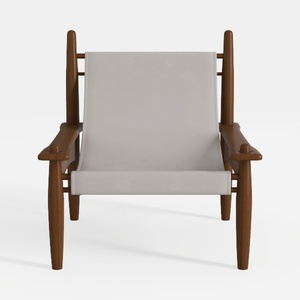

Mid Century Solid Wood Fabric Lounge Armchair 3D Model


Minimalist Modern Gray Wall Mounted Bathroom Shelves 3D Model
Homestyler offers an easy-to-use online design tool with stunning 3D renderings, extensive interior design projects, and helpful DIY video tutorials. It’s ideal for creating and visualizing your dream home, whether you’re a beginner or an experienced designer.
تصميم الآن مجانا
































