

Incorporating red into your interior walls creates a strong presence that can invigorate conversations and enhance the warmth of gatherings. When executed thoughtfully, red can add an unexpected touch of sophistication to various spaces, from cozy city living rooms to expansive family areas. By carefully adjusting the light, proportion, and material contrasts, you can ensure that the use of red feels deliberate and not overwhelming. Utilizing design tools like Homestyler can further help visualize and perfect these elements.
The principles of color psychology reinforce this method. A review from Verywell Mind indicates that red can elevate heart rates and boost alertness, making it an excellent choice for social environments while being less suitable for relaxation areas. To soften its intensity, I often blend matte reds with neutral textures and soft lighting. According to the Illuminating Engineering Society, ideal lighting for living rooms hovers between 100-300 lux, with higher requirements for task areas up to 500 lux, so I typically aim for ambient lighting around 150-200 lux to create a flattering environment that enhances skin tones without oversaturating the red.
Successful living rooms that feature red typically incorporate a harmonious rhythm by adding natural woods, soft off-whites, and cool metals, providing visual resting points. If you're strategizing furniture placements or exploring visibility in open layouts, using a room layout tool such as Homestyler can assist in simulating flow and assessing how red feature walls appear from various angles.
Achieving the right balance between saturation and finish is critical when working with red tones. Deeper reds, like oxblood shades, convey a sense of grounding and luxury, especially when rendered in matte or eggshell finishes that help minimize glare. Brighter variants, such as vermilion, are playful and best applied as accent walls or recesses, alongside low-reflectance finishes to prevent hotspots. Glossy red is best avoided unless the lighting is meticulously managed, as excessive shine can lead to eye fatigue and alter the perception of color.
The lighting design should encompass ambient, task, and accent layers. My approach begins with dimmable ambient sources that evenly illuminate the walls—these might include cove lighting, discreet ceiling fixtures, or linear pendants, typically set between 150-200 lux. Task lighting for seating areas, like reading lamps, should achieve higher levels of 300-500 lux, utilizing warm white bulbs (2700-3000K) for comfort. Accent lights are essential for bringing red to life, such as using wall grazers over textured surfaces or focused lights on artwork to introduce depth and focus, while maintaining a low unified glare rating (UGR) through the careful use of diffusers and strategic shielding.
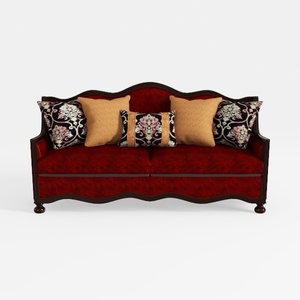
To create contrast, grounding the red with neutral and natural finishes is effective. I anchor the color palette with materials like oak, walnut, or ash that emphasize warmth without shifting to orange tones. Textiles should incorporate creamy bouclé, linen, or gray melange wool. The choice of metals also matters; elements such as brushed brass and antique bronze add warmth, contrasting with cooler options like blackened steel or satin nickel. A subtly designed rug, like a desaturated color scheme, can absorb excess light and prevent competing sensations with the red walls.
Defining focal points through feature walls and niches can dramatically enhance a room's aesthetic. I often designate the wall behind the main sofa or entertainment unit as the primary red focal point, complemented by smaller accents like bookcase backs or painted recesses. For tighter spaces, wrapping red only partially around corners helps to eliminate tunnel-like feelings. In open spaces, aligning the red wall with major sightlines from dining to entry points ensures a visually cohesive flow.
Effective color pairings play a vital role in enhancing the red. Examples include:
• Red + Warm White: This combination yields a clean, gallery-like aesthetic.
• Red + Charcoal: Creates a modern, graphic look that grounds the space.
• Red + Forest Green: A classic contrast; utilizing matte finishes helps maintain visual clarity.
• Red + Powder Blue: Evokes fresh mid-century vibes, best matched with walnut and brass accents.
• Red + Terracotta/Buff Neutrals: Establishes monochromatic warmth, enriched through texture.
When considering furniture scale and spatial dynamics, it’s important to recognize that red tends to visually advance. Thus, I opt for couches with lower backs to preserve sightlines, while introducing one taller piece—such as a cabinet—to maintain vertical balance. Ensuring circulation paths of at least 900 mm is crucial; in cozier spaces, a range of 750-800 mm is manageable, but always strive for clear turn radii at intersections. The coffee table should be situated 350-450 mm from seating edges to enhance comfort, while media viewing distances need to remain at about 1.4-2.0 times the screen’s diagonal measurement to prevent the red from dominating the room's visual perception.
Incorporating texture, pattern, and tactility is fundamental. Adding limewash or micro-plaster to red walls can create a soft finish that diffuses light pleasantly. Instead of bold prints, using mixed weave upholstery is preferable, ensuring attention stays on the architectural color rather than the fabric itself. A striking area rug or large piece of artwork can provide the desired pattern without resulting in overwhelming competition among elements. It’s best to avoid curtains in competing red patterns; instead, opt for neutrals that layer well and incorporate blackout linings for added evening ambiance.
For acoustic comfort, avoid harsh surfaces that amplify sound in spaces painted red. Counter this effect with elements that absorb sound: plush rugs, lined drapes, upholstered chairs, and well-placed bookshelves. Aim for a revitalized reverberation time between 0.4–0.6 seconds in small living areas by harmonizing soft and hard finishes. Even a simple fabric panel behind seating can diminish echoes and facilitate more enjoyable conversations.
Managing daylight and controlling glare are crucial in red-influenced spaces. Natural light can shift red tones toward orange, hence my strategy includes layering window treatments—sheer fabrics for daytime softness and medium-opacity drapes for afternoon light management. Mirrors can further redirect light from the red walls rather than reflecting onto them, preserving true color integrity. In north-facing rooms, warmer LED bulbs (2700K) are ideal to counter cooler daylight, whereas south-facing spaces benefit from 3000K bulbs and dimming options to keep the red from appearing overly bright at midday.
Art, decor, and personal touches are essential for enriching a space. Artwork disrupts the solid color plane and provides visual breaks; black-and-white photos create a striking contrast to red, while earthy abstracts and classic posters harmonize well. Styling shelves with a combination of ceramic, wood, and minimal metallic accents keeps the design cohesive. Incorporating plants adds a refreshing green hue, creating a biological balance to red while softening hard edges and corners.
In terms of sustainability and health, it’s critical to select low-VOC paints and check for emissions certifications on textiles and rugs. Opting for natural fibers like wool, linen, or cotton enhances tactile comfort and longevity. If refinishing wood, waterborne finishes mitigate fumes and keep tones true to the original red samples.
Layout strategies differ for small and larger rooms. Smaller areas benefit from a single red accent wall paired with lighter adjacent colors to broaden perception. Positioning the sofa away from the wall encourages airflow, while slim console tables support circulation. Conversely, larger rooms can accommodate deeper reds and extensive color usage, though they demand more intricate lighting arrangements. Using an interior layout planner like Homestyler enables testing various furniture configurations and observing how red interacts with sightlines across different seating areas.
Looking toward 2024-2025, two primary trends are shaping red rooms: one emphasizes rich, traditional color palettes that embrace natural textures, while the other focuses on minimalistic, gallery-style interiors with precision lighting. Employing rounded furniture, varied metal finishes, and subtle plaster textures ensures the use of red remains elegant. Advanced dimming systems and tunable white fixtures offer versatility in mood setting throughout the day without necessitating a complete repaint.
For detailed guidance on lighting and wellness criteria, consider the recommendations from the Illuminating Engineering Society regarding residential illumination and the WELL v2 framework focusing on glare reduction and balanced light conditions. Both sources deliver valuable benchmarks to ensure that strong colors remain comfortable and inviting.
In response to frequently asked questions, deep, muted reds like oxblood or burgundy tend to feel more tranquil and refined compared to bright tones. Using matte or eggshell finishes helps minimize glare and maintain a sophisticated appearance.
Keeping ambient light levels between 150-200 lux and layering in task lighting between 300-500 lux for specific activities aligns with typical IES recommendations for living spaces, preventing red from becoming overly intense.
Yes, red can create depth perceptions. Accompany it with lighter adjacent surfaces and thoughtfully positioned mirrors reflecting neutral tones, alongside lower-profile furniture to maintain open sightlines.
Warm-white lighting (2700-3000K) tends to enhance skin tones while enriching red tones without pushing the palette toward an orange hue. In predominantly bright, south-facing settings, the 3000K range, along with dimming controls, can ensure visual harmony throughout the day.
Effective pairings include soft off-whites, oatmeal shades, warm grays, and natural wood finishes. Metals like brushed brass introduce soft warmth, while options like blackened steel provide a cool edge, enhancing the overall composition.
Utilize matte or eggshell finishes, incorporate diffusers and shades, and avoid direct overhead lighting to sidestep glaring highlights on walls. Opt for wall-washing with shielded fixtures for an even spread of illumination.
Absolutely—red can successfully define spaces. A singular feature wall or a painted nook can serve as a visual anchor for the seating arrangement. Utilize layout simulation tools prior to finalizing your design choices.
Textural materials such as wool or linen upholstery, bouclé throws, and lined curtains contribute comfort and aesthetic appeal. Additionally, a desaturated area rug can soften the floor plane and improve overall acoustics.
Indeed—greens are a natural counterpart to red, offering a cooling balance. Opt for broadleaf varieties to soften angles and edges effectively.
To break the solid red plane, utilize larger formats rather than numerous small pieces. Items like black-and-white photography, earthy abstract art, or vintage posters display beautifully against red, and strategically added picture lights can enhance their focal impact.
When planning for strong colors like red, prioritize low-VOC paints and ensure adequate ventilation during their application. Harmonizing vibrant hues with good lighting, balanced acoustics, and non-off-gassing materials can lead to a pleasant atmosphere.
Yes, it is manageable within a thoughtful framework. A dominant wall color can be complemented with smaller accent tones slightly lighter or darker, creating depth while minimizing visual clutter.


Homestyler is your go-to online home design platform, perfect for bringing your decorating visions to life. Utilize its user-friendly design tool, explore stunning 3D renderings, and access a wealth of DIY video tutorials to transform your space effortlessly. Start creating today!
지금 무료로 디자인하세요
































