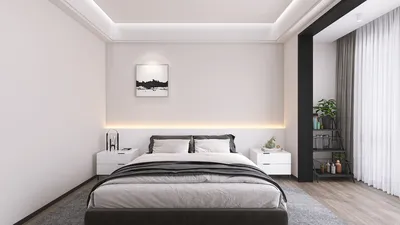


Over the ages, the small accommodations where monks resided have been referred to as monastic cells. These compact and tranquil spaces, designed with simplicity in mind, facilitate contemplation, study, prayer, and restorative sleep. Though the term 'cell' may conjure a stark image, its design elements—carefully controlled lighting, minimal furnishings, and purposeful material selection—reflect many of the principles gaining popularity in wellness design and modern small-space living. Utilizing tools like Homestyler can help in visualizing these design traits effectively.
Today's designers can derive significant insights from this architectural typology. Studies in workplace efficiency and wellness highlight the importance of creating low-stimulation, acoustically designed, and ergonomically beneficial environments. Research by Steelcase indicates that excessive noise serves as a major barrier to concentration, detrimentally impacting the performance and satisfaction of professionals by causing interruptions. Concurrently, the WELL v2 framework advocates for restorative spaces, which include recommendations for appropriate light exposure, glare management, and circadian-friendly lighting strategies that resonate with human biology. These guiding principles reflect the essential aims of the monastic cell: peace, clarity, and rejuvenation.
Understanding the Monastic Cell
A typical monastic cell is a secluded, single-occupant room situated within a monastery or convent, usually connected to a corridor or cloister. Traditionally, such cells were equipped with a bed or cot, a writing desk, shelves holding religious literature, and a washing area. Thick walls provided insulation against both climate and noise, while small windows offered daylight without compromising privacy. Different monastic traditions, such as Benedictine, Cistercian, and Carthusian, had their unique design variations—Carthusian cells often featured small gardens for personal reflection, whereas mendicant orders opted for simpler, austere rooms reflecting a life of poverty and movement.
Essential Spatial Features
Monastic cells exhibit a consistent spatial DNA: compact sizes; controlled entryways for tranquility; sparse furnishings to alleviate decision fatigue; and a distinct visual focus that draws attention to a central point (like a prayer niche or window). The balance of solid walls and small openings manages light and distractions effectively. The layout encourages a natural flow: entry, storage, work/prayer, and rest. For contemporary designers addressing compact living spaces, these principles remain relevant, facilitating intuitive movement and reducing cognitive overload.
Light, Color, and Calming Psychology
Historically, cells utilized small, high-set windows or deep reveals to minimize glare while ensuring steady daylight. Current research supports similar strategies: the IES recommends managing luminance ratios to avoid discomfort, and WELL v2 advocates for balanced vertical lighting during the day and limited brightness at night to preserve circadian rhythms. Color also plays a nuanced role, with neutral and muted earth tones promoting tranquility. Studies in color psychology reveal that shades of blue and green are particularly effective in fostering relaxation and reducing stress, making the palette used in a cell conducive to reflection and calmness.
Sound Comfort and Privacy
In monastic life, silence is not merely aesthetic; it serves a functional purpose. The architecture employed thick walls, solid doors, and thoughtfully designed corridors as early sound-dampening methods. Modern equivalents might include high-density partitions, proper sealing, and soft, low-VOC materials aimed at minimizing echo. Research from sources like Steelcase confirms that lower noise levels enhance focus and overall well-being; even minor external distractions can severely disrupt concentration in compact spaces. Choosing materials with appropriate absorption properties is crucial to maintain this acoustic comfort.
Human Considerations: Scale, Ergonomics, and Daily Rituals
Cells are tailored to accommodate repetitive daily activities, so ergonomics and anthropometrics are key. This includes proper desk height, supportive seating, and task lighting that renders accurate colors. WELL v2 encourages reducing physical strain through adjustable furnishings and effective task lighting. For architects adapting this concept today, it's essential to aim for 1.2–1.5 m of clear circulation space, ensuring work surfaces are aligned to beautiful views while positioning beds to avoid harsh glare from windows, thereby creating a secure environment around the headboard.
Material Selection and Eco-consciousness
Traditional cells favored simple, durable, and locally sourced materials such as lime plaster, timber, and stone. These materials aged well and eschewed excessive ornamentation. Contemporary choices can include lime-based plasters for humidity control, FSC-certified wood, and natural fibers that are low in chemicals. Reducing visual noise is as vital as minimizing chemical exposure—opting for matte finishes will help curtail glare while avoiding busy patterns that add to sensory overload. The objective is to cultivate a harmonious material environment conducive to silence.
Design Principles for Modern Cell-inspired Spaces
Translating the concept of the monastic cell into a contemporary micro-suite or home study requires three key strategies: establish a threshold that promotes quietness, organize furniture in a sequence from entrance to work and relaxation areas, and adjust lighting to suit different tasks and resting. For those designing with digital tools, consider experimenting with compact layouts where a bed is positioned against a short wall, with a desk directly facing a window and recessed shelving alongside for storage—tools like Homestyler can be invaluable for visualizing this process.
Behavioral Patterns and Environmental Intention
Cells inform behavior through their design: fewer distractions heighten focus. A single focal wall, one dedicated workspace, and concealed storage diminish the tendency to lose attention. Research in behavioral design, particularly in human-computer interaction, underscores the significant costs associated with context-switching; spatially, this translates to creating environments that do not constantly stimulate alternative actions. Keep reading materials within arm's reach, reserve reflection items for designated spaces, and minimize stacking surfaces that could accumulate clutter. The room should encourage depth and contemplation rather than distraction.
Lighting Strategies: Day and Night
During the day: enhance diffuse natural light using pale-colored reveals and translucent fabrics; aim for uniform vertical light distribution at eye level to lessen fatigue as per WELL v2 recommendations. At night: layer warm ambient lighting (2700–3000K) with task lighting providing localized control and high color rendering for evening reading, complemented by low-level pathway lights that maintain soft illumination without disturbing sleep. Employ measures to shield against glare by thoughtfully choosing light fixtures and maintaining separate circuits for varied lighting types.
Variations of the Monastic Cell Across Traditions
Not all monastic cells were created equal. Carthusian cells could resemble small cottages surrounding private gardens, fostering solitude within community life, while Benedictine and Cistercian designs leaned towards standardized spaces in a cloistered arrangement that balanced communal living with personal retreat. Friaries often provided transitional accommodations. These distinctions reveal a fundamental truth: a cell is more than just a style; it represents a framework that aligns spatial design with purposeful intention.
Adapting Historical Concepts to Contemporary Needs
Today, for students, writers, and contemplatives, a room inspired by the monastic cell can be efficient even within a compact area of 7–9 square meters, particularly if the design prioritizes clear circulation and effective light management. Integrating built-in furniture minimizes clutter, employing soft-close mechanisms to promote acoustic serenity, while utilizing door gaskets can reduce corridor noise. Incorporate one tactile material element, such as oiled wood at the desk edge or linen on the headboard, fostering a grounded sensory experience without overwhelming visual chaos.
Common Misunderstandings
Simplicity does not equate to harshness. Historically, well-designed cells provided comfort through thermal mass, gentle daylight, and human-scale details. Minimalism absent of warmth is often a misinterpretation; restrained design should evoke a sense of balance rather than a punitive atmosphere.
Frequently Asked Questions (FAQ)
These rooms are termed monastic cells—simple, solitary spaces crafted for prayer, study, and rest within a monastery or convent.
Dimensions varied by monastic order and historical period; however, many medieval cells were quite modest, often ranging from a few square meters, containing just adequate space for essentials like a bed, desk, and storage.
Small or deeply set windows managed glare and heat while preserving privacy and maintaining a peaceful acoustic and visual environment, in line with modern glare management recommendations from WELL v2 and IES standards.
Typically, these rooms contained a bed, writing desk or lectern, seating, simple shelving, and a devotional item, focusing on utility and durability.
Keep furnishings to a minimum, organize the layout from entry to workspace to rest zone, utilize a serene material palette, and prioritize glare-free lighting. To visualize your design, use a digital interior layout planner to verify clearances and sightlines, adjusting as necessary.
Indeed, acoustic comfort is vital for concentration and well-being. Studies from Steelcase indicate that noise can disrupt focus and satisfaction within dedicated workspaces.
Muted neutrals and earth tones—soft whites, stony hues, gentle greens, and blues—help to diminish visual overstimulation. Color psychology indicates that these colors can facilitate calmness and recovery.
Absolutely. Establish a quiet area with a desk and storage, maintain visual separation for the bed, and utilize layered lighting techniques. Integrated built-ins help preserve calmness by minimizing clutter.
Combine warm ambient light with a high color-rendering task light at the desk and a soft, low-glare fixture for quiet reflection time. Separating circuits aids in reinforcing distinct activities without overwhelming stimulation.
Materials such as lime plaster or mineral paints, oiled woods, and undyed textiles all work well. Opting for low-VOC options and soft textures preserves warmth and acoustic comfort.
Absolutely. The WELL v2 approach to glare management, circadian-friendly lighting, and restorative environments aligns perfectly with the core design elements of the cell—thoughtfully controlled lighting, acoustic tranquility, and simple, ergonomically sound spaces.
Maintain clear sightlines, favor built-in and low furniture where practicable, enhance daylight using light matte finishes, and limit the number of visible objects for a tidy, calming environment.
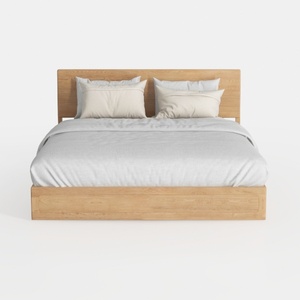
Moe's Home Collection Round Off Bed Wood Brown
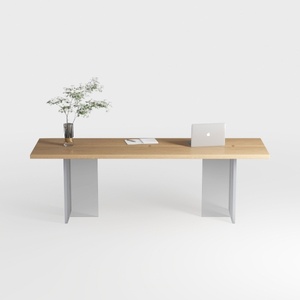
Tribesigns 70.86-Inch Executive Desk, Large Comput

Twin Mattress,10 inch Twin Size Mattress,Hybrid
Homestyler is the ultimate online home design platform for anyone looking to create beautiful spaces. With an easy-to-use design tool, stunning 3D renderings, a wealth of design projects, and helpful DIY video tutorials, you can effortlessly transform your ideas into reality. Start designing today!
تصميم الآن مجانا
































