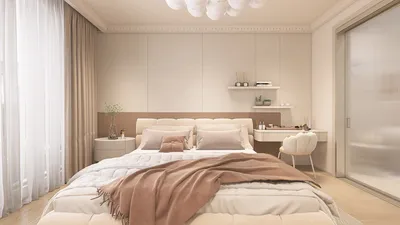


In a previous project, I chose a ‘safe’ cool gray to paint an entire master bedroom at a client's request, inspired by their affection for Scandinavian hotels. Unfortunately, the result resembled a sterile hospital environment until we introduced warmth through wooden elements and brass accents. This experience highlighted how even minor decisions can transform a gray color palette from dreary to delightfully cozy, emphasizing the importance of visualizing your layout prior to any painting — a skill that can be enhanced using tools like Homestyler.
1. Combine warm and cool grays for added depth
My approach begins with a primary gray for the walls, complemented by either a cooler or warmer shade on the trim and ceiling. This strategy creates subtle contrasts that maintain a serene atmosphere — perfect for a tranquil master bedroom.
Benefit: evokes a sense of sophistication and calm. However, it requires careful selection of undertones, as the wrong combination can dull wood tones or clash with skin undertones. A helpful tip is to test your swatches at various times throughout the day.
save pin
2. Combine gray with natural woods and plants
Gray pairs beautifully with wood. In one compact master bedroom, I used a mid-gray wall, walnut bedside tables, and added a living plant; this combination grounded the space instantly. A touch of organic texture eliminates any coldness in the room.
Budget tip: utilizing reclaimed or second-hand wood pieces adds warmth without breaking the bank, although ensuring matching finishes can be a bit labor-intensive.
save pin
3. Include textures to keep monochrome designs engaging
Consider the use of boucle pillows, velvet headboards, woven rugs, and matte plaster finishes—these textures are key to preventing a gray room from appearing flat. I often layer three or four different textures in a small master bedroom to cultivate a curated feel.
For those looking to preview how diverse textures and fabrics will coexist, generating 3D renders can help visualize scale and contrast before making any purchases.
save pin
4. Plan lighting like an expert
Lighting plays a crucial role in a gray bedroom. Warm LED lights, layered lamps, and dimmers transform cool grays into inviting spaces at night while keeping them elegant during the day. I once revitalized a dull master simply by switching an overhead cool bulb to warm, layered lighting.
Watch out for the tendency to rely on a single large overhead light; instead, opt for a mix of task and ambient sources. Upgrading to dimmers is a cost-effective yet impactful improvement.
save pin
5. Thoughtfully incorporate accents — consider metallics, artwork, and textiles
A hint of brass, artwork featuring warm tones, or a cozy wool throw can elevate a gray master bedroom. I frequently suggest selecting one bold accent color — such as terracotta or deep teal — to establish a visual focal point without detracting from the serene backdrop.
To explore concepts more efficiently, I occasionally utilize AI tools to test various combinations of accents and layouts; while they aren’t a miracle solution, they provide valuable shortcuts to inspire creative ideas.
save pin
FAQ
A: There isn't a ‘one-size-fits-all’ gray. Aim for grays with warm undertones for cozy environments, while cooler grays give off a more modern, crisp feel. Always test samples on different walls and observe how they look in both morning and evening light.
A: Incorporate warm materials such as wood, brass, layered textiles, and warm lighting. A single rug and a few cushions in inviting hues can rapidly enhance the atmosphere.
A: Yes — lighter warm grays can visually expand a space, while textured layers bring character without cluttering it. Ensure furniture is proportionate to the room to avoid a cramped feel.
A: Muted pastels, deep teal, terracotta, and warm wood tones work well together. Stick to one accent color to use in textiles and accessories for a cohesive look.
A: Certainly — gray serves as a neutral backdrop that allows artwork to shine. For optimal results, select a wall color that complements the dominant colors in your art pieces.
A: Consult paint manufacturer guidelines and test swatches under natural light. According to color resources from Benjamin Moore, undertones such as blue, green, or purple can change how the gray appears; always sample before making a commitment (see: https://www.benjaminmoore.com).
A: Costs can vary considerably — a budget-friendly makeover (including paint, textiles, and lighting) could be achieved for a few hundred dollars, whereas a complete redesign with custom furniture will cost much more. Start with lighting and a simple paint refresh for the best return on investment.
A: Yes — patterned wallpaper can be applied to a feature wall or the wall behind the bed to avoid overwhelming the space. Keep surrounding walls in simpler gray tones to achieve balance.
save pin
Homestyler's roots trace back to Autodesk, the global leader in design and engineering software. That heritage lives on in every feature we build. Today, with a community of more than 18 million users worldwide, Homestyler continues to make professional-quality interior design accessible to everyone — from first-time decorators to seasoned architects.
Homestyler is your go-to online home design platform! With its user-friendly design tool, stunning 3D renderings, and a wealth of design projects and DIY video tutorials, you can effortlessly create and visualize your dream spaces. Start designing today and unleash your creativity!
Zaprojektuj teraz za darmo
































