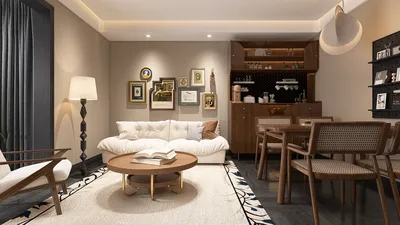


The use of color-rich lighting has evolved from a novelty into a sophisticated design element capable of transforming moods, defining spaces, and enhancing everyday routines. In my projects, utilizing rainbow lighting brings the best results when it adheres to specific luminance goals, manages glare effectively, and respects circadian rhythms—by adding color as a thoughtful accent. According to Steelcase, 41% of employees express frustration over lack of control over their environments, including lighting; this provides a compelling argument for adjustable systems that allow users to tailor both color and brightness, as outlined in the Steelcase Global Report. Similarly, the WELL v2 Lighting concept emphasizes visual comfort and circadian alignment, recommending optimal light levels and spectral qualities that foster alertness during the day while promoting restfulness at night (WELL v2, L03–L07).
An additional consideration comes from color psychology. Verywell Mind mentions that cooler shades typically enhance focus, while warmer hues promote comfort and social connections. In my designs, I strike a balance between a neutral foundation (2700–3500K white) combined with subtle color washes—like saturated accents at 10–30% output—to prevent visual exhaustion and maintain clarity of tasks. For circulation and accent walls, I prefer low-glare fixtures and diffused optics to keep unified glare ratings low while allowing colors to express themselves freely.
The Advantages of Rainbow Lighting: Beyond Aesthetics
Rainbow lighting has the potential to influence behavior and set intentions. Soft shades of magenta and amber can cozy up reading nooks; blues and cyans cool down gaming areas; and dynamic gradients can invigorate workout spaces. Research from Herman Miller highlights a strong correlation between personal control over environmental factors, including lighting, and enhanced comfort and performance, reinforcing the importance of dimmable and tunable color options (Herman Miller Research). In living and sleeping areas, layered colors can serve as visual indicators: a slow sunset transition helps users unwind; while a crisp, cool preset prompts morning routines.
Design Principles: Crafting from Spectrum to Scene
I adopt a three-layer strategy: ambient, task, and accent lighting. Ambient lighting establishes a backdrop with soft, even illumination—commonly measuring 100–300 lux in living spaces, and up to 500 lux for workstations, adhering to best practices related to visual tasks. Task lighting remains white and precise to maintain visual accuracy. This is where rainbow lighting shines: through cove washes, backlit headboards, bias lighting behind TVs, toe-kick grazers, and wall-grazing profiles. It’s essential to consider color rendering—using high CRI white for skin tones and art pieces, while RGB or RGBW channels introduce vibrant colors. For everyday applications, RGBW or RGBCCT strips are superior to basic RGB, as they provide clear whites alongside vivid colors.
Light Ergonomics: Control, Comfort, and Glare Management
The ergonomics of lighting focus on perceived effort and strain. I strategically position strips so LEDs are not directly visible—using recessed channels, opal diffusers, and indirect bounce lighting to minimize glare. Strategically layering dimming curves ensures that color scenes do not overpower task lighting; I recommend capping chromatic output between 30–50% during activities that require clarity. Offering quick access presets—like "Focus," "Unwind," and "Entertain"—enables users to switch effortlessly without navigating menus. Wireless keypads or voice assistants are acceptable, but I advise retaining a physical dimmer for reliability.
Color Psychology in Various Spaces
- Living Rooms: Warm ambers and gentle pinks enhance social warmth; subtle lavender edges can provide calm for evening relaxation. I set television bias lighting to D65 (approximately 6500K white) to improve contrast and eye comfort, complemented by a soft color wash out of the screen’s direct line.
- Bedrooms: Implement sunset gradients (from amber to deep red) during pre-sleep routines; it’s advisable to avoid vibrant blue hues within an hour of bedtime to aid melatonin production as per circadian design recommendations. Mornings transition to cool-white edge lighting to signal alertness.
- Home Offices: Reserve rainbow lighting for accents—such as shelves and back walls—while maintaining work surfaces at 400–500 lux with neutral white and low glare. Blues on the periphery can feel crisp, but avoid letting them wash out the work area.
- Children's Rooms: Dynamic yet contained. Deploy scenes that limit brightness and avoid strobing effects. Implement a night mode with a very low, warm output.
Materials and Mounting Techniques That Elevate Color Quality
Utilizing thin aluminum channels paired with opal diffusers results in a continuous, high-quality light line. For walls, a 2–4 inch offset cove can create smooth gradients. Matte paints perform better than high-gloss coats by reducing hotspots. Fabrics—such as sheers, felt, or boucle—absorb and scatter color to enhance the ambiance. In compact rooms, indirect lighting along ceiling boundaries can enhance height perception and smooth edges.
Light Quality: Strategies for Spectra, CRI, and CCT
Integrate RGBW or RGBCCT tape with a high CRI white (90+). Maintain a neutral white base (3000K or 3500K) for most functionalities; consider adding a brief burst of 5000–6500K lighting exclusively for specific tasks like detailed craftwork. Minimizing overly saturated colors in a single plane is crucial; two hues with a gentle gradient typically appear more refined than an overwhelming array of colors. I often limit color accents to no more than 200 lux on surfaces, ensuring hierarchy with white light leading the design.
Smart Controls and Scene Customization
Establish time-sensitive scenes: a morning energize mode (cooler white with a hint of cyan), afternoon neutral tones, evening unwind (warm white with amber), and entertainment settings (with soft saturated accents). Ensure quick toggles are available and include a master "white restore" option. For layout planning in settings like studios, open-living areas, or multipurpose bedrooms, using an interior layout planner such as Homestyler helps visualize sightlines, beam spreads, and fixture placements prior to installation.
Combining Acoustic and Visual Comfort
Lighting exists within a broader context. Soft materials help to lower sound reverberation, making lower light levels feel more serene. Dark ceilings absorb color while lighter ones enhance it. If a room is acoustically vibrant, opt for gentler color scenes to minimize sensory overload. In media environments, bias lighting helps mitigate eye strain by elevating ambient levels behind screens while maintaining image contrast.
Sustainability and Safety Considerations
Select low-VOC paints and adhesives for channels. Prioritize LED drivers with high efficiency and minimal standby power. Properly manage cables and utilize appropriate diffusers; avoid exposed tape to prevent snagging or overheating. Employing a modular design—individual white channels paired with RGB—extends product lifespan, allowing you to maintain white light quality without overdriving color.
Room-Specific Preset Recipes
- Entryway: 3000K white with a gentle, low amber glow behind a console; reduce intensity to 20% after midnight.
- Living Area: Establish 3500K base lighting at 200–300 lux; consider color lighting behind plants in teal or soft green at 10–20% for biophilic effects.
- Dining Room: Warm perimeter lighting (2700–3000K), with pendants dimmed to 40–60%; add a subtle magenta edge for memorable moments.
- Bedroom: Implement a sunset scene (transitioning from amber to deep red over 30 minutes) alongside a "reading" scene with a 3000K task lighting while turning off colors.
- Desk: Maintain neutral white lighting at 400–500 lux on work surfaces while allowing for a low-saturation blue or violet around the edges.
Installation Recommendations and Common Mistakes
Measure accurately—LED tape runs can experience voltage drops over extended distances; ensure appropriate gauge and power injections every 5–10 meters following manufacturer guidelines. Always test scenes in both day and nighttime conditions, as ambient daylight can alter color perception. Seal installations in bathrooms according to the appropriate IP rating. Ensure drivers are easily accessible for maintenance. Most importantly, remember that moderation is key—excessive color can diminish the room’s design hierarchy.
Frequently Asked Questions
Q1. Do rainbow lights impact sleep?
A1. Indeed, excessive blue wavelengths can be energizing in the evening. It is recommended to use warm, low-intensity ambers and reds within an hour of bedtime, aligning with circadian guidelines observed in WELL v2 principles on spectral content.
Q2. What brightness levels are ideal for living rooms?
A2. Aim for approximately 100–300 lux for ambient lighting. Keep colorful accents subdued compared to primary task lighting to ensure visibility is not compromised.
Q3. Between RGB, RGBW, or RGBCCT—what is the best choice?
A3. RGBW provides a dedicated white channel for clearer whites; RGBCCT includes tunable white options (ranging from warm to cool) which enhances daily usage. Basic RGB is often insufficient for achieving true white light.
Q4. How can I minimize glare with LED strips?
A4. Utilize recessed fixtures, opal diffusers, and indirect light bouncing off walls or ceilings, avoiding direct visibility from seated positions.
Q5. Does colorful lighting enhance productivity?
A5. Indirectly—having control over lighting and comfortable visual spaces contributes to focus. Findings by Steelcase affirm that user autonomy in adjusting light to suit tasks enhances overall satisfaction.
Q6. What’s a simple starter setup?
A6. One high-CRI white layer (dimmable) combined with a single RGBW strip mounted in a cove or behind a headboard, connected to a wall control with three preset options.
Q7. Is it safe for kids' rooms?
A7. Yes, ensuring safety with protected channels, low-voltage drivers, capped brightness, and avoiding strobing effects. Additionally, a warm, ultra-low night mode is recommended.
Q8. How do materials affect color perception?
A8. Light, matte surfaces disperse and amplify color gently; dark or shiny surfaces can heighten contrast and cause hotspots. Fabrics can soften saturation effects.
Q9. Will rainbow lights alter the colors in artwork?
A9. They can. It's advisable to maintain high-CRI white spotlights on artwork, using colors at a distance to prevent unintended hue shifts.
Q10. What key control features are most important?
A10. Efficient dimming, quick-access scene selections, a master white reset option, and the capability to limit maximum output on color channels are crucial features.
Homestyler is your ideal partner for home design. With its easy-to-use online design tool, you can create stunning layouts and visualize in 3D. Explore endless design projects and learn through engaging DIY video tutorials. Transform your space effortlessly, regardless of your experience level!
Design jetzt kostenlos
































