

As we look towards the future, congregational spaces are transitioning from being mere decorative environments to becoming integral operational systems. Currently, the primary issue we face is fragmentation, with overflow areas, poor acoustics disrupting communication, and circulation patterns being at odds with spiritual practices. Recent findings from AIA's firm survey illustrate that flexible and wellness-focused designs are increasingly favored across various building types. This trend indicates how a mosque's floor plan can evolve into a dynamic spiritual interface in the coming decade. In my design process, I employ a toolkit for spatial reasoning, allowing me to translate rituals effectively into thoughtful layouts, integrating solutions such as Homestyler for enhanced design capabilities.
Main Prayer Space + Aligning with the Qibla Axis
Design Principle: A single rectangular prayer area perfectly aligned to the qibla serves to stabilize ritual practices, marking it as the central guideline; minimizing partitions helps reduce sound distortion and prepares the space for future capacity changes.
Pathway Flow: Entry point → ablution facilities → shoe storage → prayer space; this linear sequence prevents traffic interference during iqama, while side exits manage late arrivals seamlessly, much like an asynchronous function handles delayed tasks.
Sightlines: Upon entering, the mihrab serves as the primary user interface; secondary elements like clocks and subtle signage are placed in a lower visual hierarchy to maintain focus.
Storage Solutions: Built-in shoe cubbies and prayer rug compartments serve as efficient storage; while janitorial and audiovisual closets are strategically located along the exterior perimeter for easy access.
Furniture Arrangement: Instead of pews, the design includes rows of prayer spots with a comfortable width of 48–50 cm per person and a depth of 90–110 cm per row; a slim mimbar fits within the mihrab’s design envelope.
Conclusion: This design provides a stable foundation: ceremonies are organized seamlessly today, and accommodating more attendees in the future is merely a matter of adjusting parameters rather than full reconstruction.
save pinOpen in 3D Planner Processing...
Outdoor Courtyard + Transitional Veranda
Design Principle: A compact forecourt acts as a transitional thermal and social buffer, allowing natural light to enhance the interior ambiance; it also prepares the space for overflow without disrupting the overall design.
Pathway Flow: From the street → to the shaded veranda → into the foyer → leading to the prayer space; the veranda functions as a load balancer during peak times like Jumu’ah, safeguarding the interior space’s capacity.
Sightlines: The courtyard frames the sky and acts as a slow user interface; inside, high-set lateral windows provide privacy while allowing daylight to illuminate the main area effectively.
Storage Solutions: Integrated benches along the veranda store shoes and umbrellas, which helps reduce congestion in the foyer.
Furniture Arrangement: Movable screens can define the women’s area when required, ensuring clear egress lanes of 1.2–1.5 meters; stackable seating for elder congregation members is conveniently located near exits.
Conclusion: The entryway functions as a calming device—the rituals commence punctually, and seasonal attendance surges are managed without any operational conflict.
save pinOpen in 3D Planner Processing...
Compact Ablution Core + Acoustic Shielding
Design Principle: The ablution process is fundamental; situating the wudu facilities near the entrance while ensuring they are acoustically insulated maintains the purity and tranquility of the main prayer hall.
Pathway Flow: From the exterior → to wudu (male/female) → to drying areas → then to the prayer space; the ventilation system effectively channels air away from the prayer rows, ensuring a serene atmosphere.
Sightlines: Opaque, light-diffusing doors maintain privacy; inside the prayer hall, views of wet areas are blocked, with only the mihrab and clean wall surfaces visible as focal points.
Storage Solutions: Essentials such as towels, slippers, and cleaning equipment are stored vertically; this ensures that maintenance tools and drainage solutions are discreetly tucked away, generating zero visual disturbance.
Furniture Arrangement: Ablution ledges are designed at a height of 430–450 mm, with a spacing of 600 mm between them; non-slip strips enhance safety and ensure reliable movement throughout the area.
Conclusion: Quiet water, calm airflow, and silent flooring converge to create a spacious feeling within the hall, fostering concentration and tranquility.
save pinOpen in 3D Planner Processing...
Final Reflection
A simple mosque layout transcends mere stylistic choices; it embodies the principles of a well-structured protocol—with defined inputs, dependable outputs, and the capacity for expansion. Variations such as smaller prayer hall designs or compact masjid plans illustrate that thoughtful intention triumphs over ornamental excess when community needs proliferate. The innovative masjid stands as a nexus where movement, light, and serenity interact dynamically, resembling how I view resilient sanctuaries: treating space as code and ritual as an ongoing process, enhanced by platforms like Homestyler to visualize and optimize designs effectively.
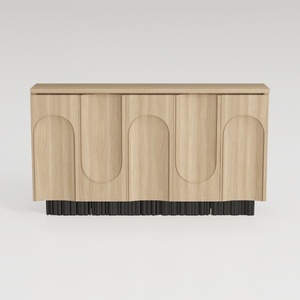
Sideboard Buffet Cabinet with Storage, 65" Modern

Loveseat Sofa, 70" Army Green Velvet Couch Small C

Looking to transform your space? Homestyler is your ultimate online home design platform! With its user-friendly design tool, stunning 3D renderings, a plethora of inspiring design projects, and helpful video tutorials, creating your dream home has never been easier. Start your design journey today!
지금 무료로 디자인하세요
































