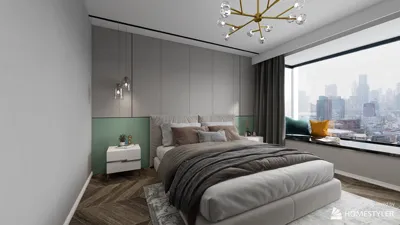


Transforming attics with low ceilings into unique and inviting spaces can infuse character into your home, provided that design is approached thoughtfully. My strategy begins with focusing on sightlines, light distribution, and circulation, and then carefully incorporating storage solutions and task areas to maintain a spacious floor plan. Attic conversions thrive on gentle zoning and built-ins that complement their architectural features rather than clash against them, which is where tools like Homestyler can be indispensable for visualizing layouts.
The quality of lighting and ergonomic design is foundational in creating livable spaces. The WELL Building Standard v2 indicates that ideal ambient lighting for residential tasks should be between 150 to 300 lux, with more focused areas receiving up to 500 lux. Research by Steelcase emphasizes that optimal postures and reduced reach zones can alleviate fatigue and enhance productivity—these principles are especially vital in low-clearance environments where movement is limited.
Color choices and their psychological impact are critical in smaller spaces. An overview from Verywell Mind reveals that cooler tones such as gentle blues and muted greens foster tranquility, while lighter shades tend to create an illusion of greater space. I often opt for matte finishes to minimize glare, paired with subtle color palettes to maintain balance in comfort even under sloped ceilings.
Assess the Usable Space and Ensure Adequate Headroom
Start by mapping out the functional space: measure the heights of knee-walls, the ridge height, and the vital headroom corridor of 6' to 6'8" that will guide circulation. Align main pathways with the highest point of the roof while using lower eaves for practical storage, seating, or display areas. When choosing furniture, I give priority to low-profile options like platform beds, lounge chairs with shorter backs, and ottomans to keep the vertical space aesthetically open. Exploring furniture arrangements can be simplified using a room layout tool such as Homestyler to validate clearances and sightlines.
Layering Light Beneath a Sloping Ceiling
To prevent harsh light spots and shadows, use layered lighting techniques. I recommend installing indirect cove or wall-wash lighting along knee walls to reflect light off the ceiling, complemented by adjustable sconces for reading areas and sleek table lamps with opal diffusers. Aim for general illumination around 200 to 300 lux and enhance focused areas like desks with approximately 500 lux, adhering to WELL v2 guidelines. If glare is a concern, shift to warmer color temperatures in the evening and opt for diffused light sources. Ensure fixtures are compact and close to the structure to preserve important headroom.
Integrated Storage Solutions That Blend Seamlessly
The key to unlocking potential in a low attic lies in custom-built millwork that follows the slope. I design pull-out drawers and shelving in knee-walls at 16 to 24 inches deep, topped with a continuous ledge that can serve for displaying items or as extra seating. Utilizing finger-pull or integrated pulls minimizes protrusions that might intrude into the space. Reflective back panels can enhance light distribution without overwhelming the decor. This method streamlines storage needs and maintains an open feel in the center of the room, avoiding the cluttered appearance often created by standalone wardrobes.
Color Schemes, Materials, and Visual Flow
A focused color palette can significantly enhance the feeling of space. Soft whites, light greys, and airy blues help surfaces retreat visually, while warm wood tones lend a sense of grounding. Lower sheen levels—like eggshell or matte—will reduce glare on angled planes. Introduce visual rhythm through horizontal panels or low wainscoting along knee walls to stretch the perceive boundaries of the room and establish a stable visual reference. In limited spaces, it's advisable to use a palette of three to four materials throughout the walls, ceiling, floor, and millwork to lessen cognitive overload.
Ergonomic Design: Optimize Height and Reach
In attics with low ceilings, ergonomics is crucial. I recommend positioning activities that require standing near the ridge, while seated tasks like reading or working at a desk should be placed under slopes. Research from Herman Miller and Steelcase suggests that alternating between supported seating and light standing enhances comfort. Ideal desk heights range from 24 to 27 inches, paired with compact chairs that have low backs; ensure monitors are positioned at eye level to prevent neck strain.
Ventilation and Sound Management
Attics can easily become hot and noisy spaces. I emphasize the importance of cross-ventilation, combining operable windows or roof vents with silent, low-profile fans. For mechanical ventilation, opt for quiet inline systems and sound-isolating pads. To mitigate sound, soften harder angles with textiles such as plush rugs and upholstered furniture. A general guideline I follow is to cover 20 to 30% of the surfaces with soft materials to diminish echoes in these smaller, pitched areas.
Efficient Storage Solutions: Under Eaves and Stairs
Make the most of every nook by incorporating pull-out bins under eaves, toe-kick drawers in platforms, and stair riser storage for seasonal belongings. I design wardrobes with sliding doors to avoid space conflicts; for narrower depths, shallow wardrobes with double-hanging sections prove effective. Keeping storage organized with labeling and modular bins allows for easy access without the need to stand fully upright. Integrated lighting in cabinets with magnetic switches also helps eliminate shadows.
Furniture Approaches That Respect the Architecture
Select furniture that harmonizes with the architectural elements: think platform beds, low dressers, and compact settees. Placing the bed beneath the gentle slope maximizes walking space near the ridge. Slightly floating furniture off the walls allows for air circulation while ensuring at least 24 inches of clearance in areas with sufficient headroom. Rounded edges and soft forms diminish the risk of bumping into knee walls. If you wish to explore layout variations, an interior design planner can assist in assessing sightlines and flow.
Optimizing Daylight and Managing Glare
Skylights and sloped glazing can create intense patches of sunlight. Consider using light-diffusing shades or top-down/bottom-up blinds to control light angles. The goal is to achieve daylight that softly washes over the interior rather than concentrating intensely in spots; sheer fabrics and matte finishes contribute to scattering light effectively. When selecting skylights, orientation matters: north-facing units tend to project soft, steady light, while east or west-facing options can create a more dynamic effect that may require adjustments.
Thematic Concepts for Small Attics: Sleep, Study, Lounge
Incorporate a low platform bed with integrated knee-wall storage, paired with dimmable warm lighting and soft rugs to absorb sound. Keep the headboard low to maintain clear sightlines. Utilize a unique textile pattern to add personality without overwhelming the visual space.
Create a desk area tucked beneath the slope featuring task lighting that provides around 500 lux at the workspace. Ensure efficient cable management is built into the millwork, along with a slim pinboard and a stool stowed away when not in use. Maintain a manageable monitor size to prevent it from dominating the room's vertical space.
Design a cozy window bench with deep cushions, book ledges, and dimmable wall sconces. A small side table with rounded edges, complemented by layered throws, enhances comfort and adjusts acoustics.
Prioritizing Sustainability and Thermal Comfort
Attics are especially susceptible to temperature changes. Focus on laying down continuous insulation on the roof deck, install radiant barriers if climate conditions permit, and use tightly sealed millwork to avert drafts. Opt for low-VOC finishes and sustainably sourced wood when possible. Small DC fans and LED lights are energy-efficient choices, while indirect lighting helps to balance heat distribution throughout the space.
Installation Guidelines and Safety Considerations
Pay attention to egress and safety codes. Check that stairs comply with local regulations and confirm that any sleeping area has suitable escape routes. Opt for shallow electrical boxes and low-profile light fixtures to prevent disrupting insulation integrity. In areas of exceptionally low ceiling height, consider padding corners or opting for rounded millwork details to minimize impact risks.
Common Questions and Answers
Q1: How can I create the illusion of height in a low-ceiling attic?
A: Utilize a consistent light color scheme on walls and ceilings, employ indirect lighting to reflect off slopes, and position taller items closer to the ridge to visually elevate the space.
Q2: What kind of lighting is optimal for spaces beneath a pitched roof?
A: Aim for a combination of soft ambient light from wall-wash or cove sources, alongside adjustable sconces or task lamps. Target approximately 200 to 300 lux for ambient lighting and 300 to 500 lux for task areas as suggested by WELL v2.
Q3: Where is the best location for the bed in a low attic?
A: Place the bed beneath the lowest slope to clear space near the ridge for circulation. A platform bed minimizes vertical obstruction and collision risks.
Q4: How can I add storage without overcrowding?
A: Integrate storage solutions into knee-walls and utilize eaves, creating shallow cabinets that follow the slope. Sliding doors and built-in lighting can minimize protrusions and shadows.
Q5: What colors can visually expand a small attic?
A: Employ light and subtle color palettes—such as soft whites, pale blues, and greys—combined with matte finishes to reduce glare. Cooler tones align with psychological concepts of creating calmness.
Q6: How should heat and ventilation be managed?
A: Combine operable windows and skylights with silent fans or mechanical ventilation systems. Ensure continuous insulation and sealed millwork to prevent drafts. Utilize LED lighting to minimize heat generation.
Q7: What ergonomic considerations should be made for desks in low attics?
A: Maintain desk heights between 24 to 27 inches, select low-back chairs, and position desks where sitting comfortably under the slope is feasible. Focus on minimizing reach distances, in line with findings from workplace studies.
Q8: Which window treatments mitigate glare from skylights?
A: Opt for top-down/bottom-up blinds or light-diffusing shades. Complement these with matte paint finishes and avoid reflective surfaces at eye level to lessen glare issues.
Q9: How can I enhance acoustic quality in an attic?
A: Introduce rugs, upholstered seating, and textile wall coverings on knee-walls. Aim for about 20 to 30% of soft surfaces to manage echoes effectively.
Q10: Is it feasible to create distinct areas within a compact attic?
A: Absolutely—define areas with lighting and millwork rather than walls. Spaces for reading, studying, and sleeping can coexist effectively by keeping circulation near the highest points of the ceiling.


ANTBOX Portable Shoe Rack Organizer for Closet
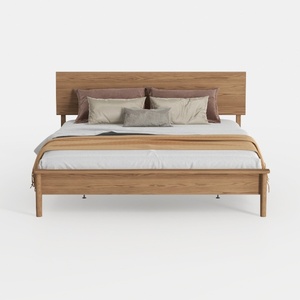
Furniture of America Wyatt Modern Solid Wood Queen
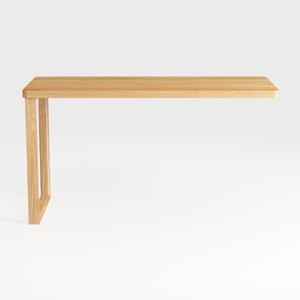
ZQQLVOO Writing Computer Desk,Home Office Desk,Hom
Homestyler is your go-to online home design platform! With its user-friendly design tool, stunning 3D renderings, and a wealth of DIY video tutorials, you can effortlessly create and visualize your dream spaces. Start designing today and unlock your creativity!
Progetta ora GRATIS
































