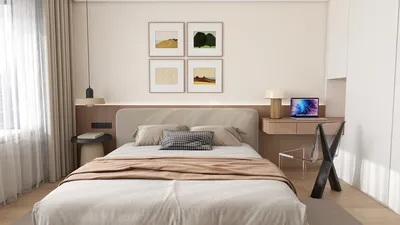


I’ve discovered that living room pillars can serve as opportunities to enhance design rather than merely as obstacles. Whether you're faced with load-bearing columns in a spacious modern condo or historical posts in a vintage home, the aim should be to seamlessly incorporate these features to facilitate flow, frame views, and contribute distinct character without adding visual clutter. Using a design tool like Homestyler can help you visualize these integrations more effectively.
Research consistently indicates that thoughtfully arranged layouts greatly affect comfort and functionality. Studies by Steelcase reveal that workplaces featuring distinct spatial zoning and visual indicators enhance perceived productivity and satisfaction. This principle is directly applicable to residential living rooms, where understanding behavioral patterns and spatial intention is crucial. Additionally, lighting plays an essential role around vertical columns; guidelines from the Illuminating Engineering Society (IES) suggest a range of 100–300 lux for living areas to facilitate both everyday tasks and relaxation, helping to minimize pillar shadows while promoting visual comfort. According to Verywell Mind, warm tones can create an inviting atmosphere, while cool shades encourage tranquility, which is invaluable when selecting finishes for prominent pillars in your space.
In practice, I strive to harmonize visual appeal with ergonomic considerations. According to WELL v2 recommendations, glare control and visual comfort are vital for occupant well-being; effectively applying these principles around pillars involves avoiding stark contrasts and managing brightness ratios to prevent columns from becoming visual burdens that strain the eyes. If you’re redesigning your living space to accommodate seating around a column, utilizing a layout tool such as Homestyler can tremendously aid in assessing sightlines, circulation clearances, and furniture arrangement before finalizing your design.
Transform Pillars into Architectural Highlights
Using cladding can elevate ordinary columns into significant architectural features. For instance, fluted wood wraps introduce texture and vertical rhythm, echoing modern aesthetics, while limewashed plaster or microcement finishing softens light interaction. For contemporary designs, a matte, low-VOC paint in muted tones helps keep the column prominent without overwhelming the eye. In more traditional styles, a half-height wainscot paired with a smooth upper section can resonate with the proportions of baseboards and crown moldings.
Incorporate Functionality into Your Column
I frequently embed storage solutions or media elements within a pillar’s footprint, when structural conditions allow. Shallow built-ins alongside a central post can flank seating areas and conceal AV components. A narrow console can encircle the column, providing space for lighting and greenery. For open layouts, a pillar could support a dual-sided shelving screen, subtly separating the living and dining areas while preserving sightlines.
Utilize Lighting to Enhance Vertical Features
Accent lighting can enhance the visual impact of a column, making it resemble a sculptural entity. Installing indirect LED grazers at the floor or ceiling can bathe the structure in 150–200 lux, ensuring visibility without causing glare. Keep lighting sources shielded and select a color temperature of 2700–3000K for warmer living areas; a slightly cooler range of 3000–3500K suits modern, bright settings. Incorporation of dimmable options allows for flexibility, adjusting the luminance of the column from daytime focus to evening ambiance.
Consider Proportions and Circulation
The ratios of space are important: a column that occupies more than 8–12% of a wall segment can feel overpowering. Achieve balance by reflecting vertical elements through other features like tall plants, slender art pieces, or floor lamps, allowing the eye to perceive a rhythm rather than a singular obstruction. Ensure a clear circulation space of 900–1000 mm around the column to prevent congestion. If seating is nearby, maintaining a clearance of 450–600 mm and keeping side tables within a reach of 300–450 mm enhances ergonomic comfort.
Integrate Color and Material Considerations
In smaller spaces, opt for low-contrast finishes to allow the column to fade into the background—this can be done by selecting a tint just darker or lighter than the adjacent walls. Conversely, in larger areas, introducing material variation can help define zones—such as timber cladding by a reading nook or stone finishes near the fireplace. Acoustic materials may also be wise for columns by entertainment areas; options like felt or cork panels can enhance sound clarity while avoiding a stark appearance.
Frame Views and Establish Distinct Areas
Pillars can act as compositional cues. Position sofas across from a column to face a focal wall and employ an area rug to delineate primary zones, allowing the column to function as a border instead of an obstruction. Aligning a console or bench orthogonally to the column can strengthen spatial boundaries while ensuring corridor access remains unimpeded. When planning complex areas, utilizing an interior layout planner like Homestyler can assist in analyzing proportions and daylight impacts throughout the day.
Merge Art and Vertical Greenery
Art installations and sculptural pieces can transform a column into a focal point. Utilizing magnetic panels allows for easy rotation of artwork, while slim brackets can hold trailing plants, adding a touch of nature and softness. Keep the depth minimal to maintain clear circulation paths, and ensure color choices harmonize with the existing palette for cohesion.
Achieve Acoustic and Lighting Comfort Surrounding Media Walls
Columns that are close to media setups require careful planning. Avoid placing the TV immediately adjacent to or behind a strong vertical feature that may reflect light. Instead, arrange lighting with shielded optics to minimize glare. Incorporating soft materials such as rugs, upholstery, and perforated wood around the column can reduce echoes. Strive for balanced ambient light with additional task layers to avoid stark differences between screen brightness and the vertical elements of the room.
Design Insights for 2024–2025
Clients increasingly seek out authentic materials and sustainable finishes, such as FSC-certified woods and low-VOC paints. The trend of tactile minimalism continues, with subtle textures like fine fluting or hand-troweled surfaces adding depth without visual heaviness. Warm-modern lighting, especially in the 2700–3000K range with discreet fixtures, maintains a quiet expressiveness for columns in these spaces.
Typical Layout Scenarios
- For a corner column near a window, consider creating a slim banquette to form a reading nook, ensuring clear sightlines remain intact. An added floor grazer can enhance texture without causing glare.
- In an open plan with a central post, balance the space with symmetrical shelving or twin armchairs, grounding the arrangement with a large rug for cohesive composition.
- When a column stands behind a sofa, integrating a narrow console and sculptural lamp can convert this potential dead zone into an engaging vignette.
Common Questions
To minimize contrast between the column and surrounding walls, employ indirect grazing techniques to soften shadows and reflect similar vertical elements in other areas to establish visual rhythm.
For optimal lighting in living rooms, maintain general illumination around 100–300 lux in accordance with IES guidelines, while employing 150–200 lux accent grazing on the column using shielded sources.
It is generally inadvisable to directly modify load-bearing columns; instead, consider constructing freestanding or surrounding millwork that visually integrates with the column.
A warm ambiance can be achieved with lighting in the 2700–3000K range; opt for 3000–3500K for a brighter, contemporary look—incorporating dimmers for versatility can enhance this effect.
Ensure a circulation clearance of 900–1000 mm wherever feasible; avoid situating deep furniture within this zone to maintain smooth movement.
Yes—using soft, porous materials such as felt or cork on sections of the column can diminish flutter echo, particularly in proximity to media configurations.
Utilize the column as a visual boundary for rugs and furniture arrangements; consider adding low-height elements aligned orthogonally to accentuate pathways without erecting barriers.
Colors such as desaturated matte paints, light-stained fluted wood, limewash, or microcement with subdued textures, paired with warm-white lighting, help create an inviting atmosphere.
Indeed—implement lightweight, low-profile solutions to avoid hindering circulation, while ensuring the color palette and scale complement the overall room design.
Test different seating and storage options around the pillar using a digital interior layout planner like Homestyler. This kind of simulation allows for quick assessments of sightlines, lighting, and spacing.


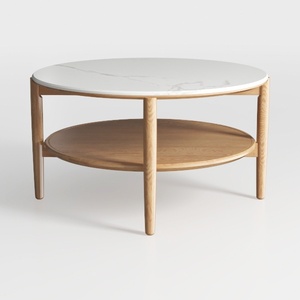
VASAGLE Round Coffee Table, 2 Tier Coffee Table wi

Lazzo Rattan Coffee Table Mid Century Modern Cente
Homestyler is your go-to platform for home design! With its user-friendly online design tool, stunning 3D renderings, and a wealth of DIY video tutorials, transforming your space has never been easier. Unleash your creativity and bring your home design dreams to life with Homestyler!
Zaprojektuj teraz za darmo
































