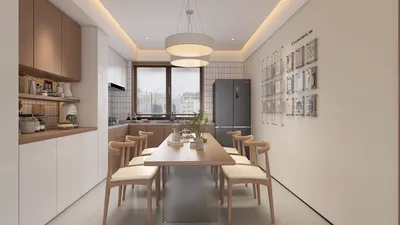


Once, a client requested that I incorporate a home office, a yoga nook, and a mini library all within a spare bedroom — while ensuring it remained ready for guests. It was a humorous challenge that took me deep into my design sketches and almost a week spent in IKEA. However, this experience reinforced my belief that a four-bedroom house with two bathrooms can be transformed beyond merely its basic spaces: small choices can ignite significant creativity.
1. Versatile guest room that functions as a home office
I often transform one of the spare bedrooms into a true multi-functional space, featuring a wall bed or a high-quality sofa bed, a compact desk, and vertical storage solutions. The advantage here is realizing both a comfortable workspace and a cozy guest area without hindering movement. However, it’s crucial to maintain a clutter-free environment and select compact furniture that incorporates storage. A tip: opt for a neutral color scheme accented by a single vibrant hue to create a calm atmosphere.
save pin
2. Differentiate bathrooms by their functions instead of styles
In a four-bedroom house with two bathrooms, I recommend dedicating one bathroom as the main, fully equipped bathroom and the other as a streamlined wet area or powder room combined with a shower. This setup minimizes morning traffic and maintains the luxury of the primary bath. The only downside is the need for clever plumbing plans when reconfiguring; a wet-room design might have a higher initial cost but optimally utilizes floor space.
save pin
3. Open-plan living with distinct zones
An open layout can make a small space feel more spacious. I establish clear zones for various activities — such as lounging, dining, and a children's homework area — by using rugs, varying lighting, and strategically oriented furniture rather than walls. This approach fosters a natural flow but requires attention to acoustics and efficient storage to prevent chaos within the room.
save pin
4. Built-in storage integrated within circulation paths
Hallways and alcoves often represent missed opportunities for storage. In my designs, I frequently include floor-to-ceiling cabinets in corridors that can accommodate linens, seasonal items, and cleaning supplies in a four-bedroom house with two bathrooms, thus freeing space in bedroom closets. While the upfront cost of built-ins might be higher, they avert future headaches; the main challenge is to ensure that cabinet doors do not obstruct passage.
save pin
5. Adaptable kids’ and teen rooms that grow with them
Children quickly outgrow their spaces; therefore, I design bedrooms that can evolve. Think of movable desks, detachable wall shelves, and neutral foundations with interchangeable textiles. The main advantage is long-term utility and reduced renovation costs over time. The drawback is potentially needing a slightly higher budget for modular items, yet it certainly outweighs the expense of a total redesign in the future.
Want to quickly visualize these layouts? Use an online planner like Homestyler to sketch out room arrangements before making furniture purchases.
save pin
Tips 1:
Budget note: prioritize plumbing and built-ins early in your planning. Investing in a well-thought-out layout and smart storage solutions can yield valuable returns. I always advise taking photos of existing spaces and sketching rough measurements before consulting with professionals.
save pin
FAQ
Q1: Which bedroom is best suited to convert into an office in a four-bedroom house?
A1: Choose the quietest, least-frequented bedroom that benefits from ample natural light and has sufficient wall space for storage solutions. Ideally, it should be situated close to the main living area while being away from high-traffic pathways.
Q2: What are effective ways to maximize storage in two bathrooms?
A2: Optimize your space by incorporating recessed medicine cabinets, vertical shelving above toilets, and under-sink pull-out organizers. Installing hooks and over-the-door racks can create additional storage without the need for renovations.
Q3: Is it advisable to open the kitchen in a four-bedroom house with two bathrooms?
A3: If structural walls allow it, opening the kitchen to the living area enhances visibility and social interaction, but always check for load-bearing limitations and ventilation requirements.
Q4: How many beds are comfortably accommodated in a four-bedroom house?
A4: Generally, you can fit one master bed along with three other bedrooms — varying between double, single, or bunk configurations based on the ages and needs of the occupants.
Q5: What’s the best way to schedule plumbing upgrades when reconfiguring bathrooms?
A5: Collaborate early with your contractor on plumbing plans and prioritize routing near existing soil stacks to keep costs down. Make sure to check local regulations and acquire necessary permits prior to starting any work.
Q6: Is it feasible to design adaptable children's rooms on a budget?
A6: Absolutely — consider using secondhand furniture, modular components, and paintable wall treatments. Neutral built-ins paired with colorful textiles provide an economical yet versatile solution.
Q7: Where can I test various floor layouts online?
A7: You can use a 3D layout planner, such as Homestyler, to play around with furniture arrangements and traffic flow prior to any purchases.
Q8: Are there established design standards for bathroom clearances?
A8: Yes — refer to local building codes along with the International Residential Code (IRC) for minimum clearances and fixture spacing to guarantee accessibility and safety.
save pin
Discover your dream home with Homestyler! This user-friendly online design platform offers a powerful design tool, stunning 3D renderings, and a wealth of inspiring design projects. Plus, with engaging DIY video tutorials, you’ll transform your space effortlessly. Start creating today!
Design Now for FREE
































