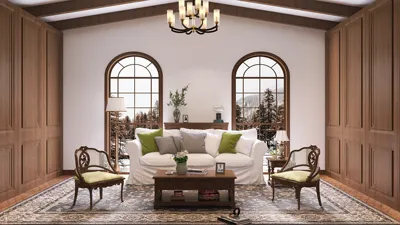


Wall tiles serve a multifunctional purpose beyond mere surface protection—they establish the ambiance, delineate spaces, and significantly affect a room's overall feel and functionality. I focus on designs that integrate texture, light, and proportion, while adjusting color and pattern to suit the everyday activities occurring in the area. Utilizing tools like Homestyler can greatly assist in visualizing these aspects effectively.
Lighting, along with human factors, plays a crucial role in many design choices. The Illuminating Engineering Society recommends maintaining a vertical illuminance of approximately 150–300 lux in living spaces to ensure texture and color are rendered without glare. Glossy tiles placed near intense downlighting can create distracting bright spots, whereas satin or matte finishes help maintain surfaces that are easy to read. According to WELL v2 guidelines, managing glare and enhancing color rendering (CRI) are essential for accurate tile patterns and minimizing visual fatigue. These performance standards guide the selection of finishes ahead of aesthetic preferences.
Understanding color psychology is also pragmatic. As noted by Verywell Mind, shades of blue and green are often linked with calmness and concentration, while reds and oranges evoke energy—making them ideal for entryways or dining rooms, but potentially overwhelming in bedrooms. For smaller spaces, choosing lighter tile hues with minimal visual distractions can create an illusion of openness, while richer colors and patterns in larger areas can foster a sense of intimacy.
Interpreting Space: Proportion, Rhythm, and Tile Dimensions
The size of tiles influences the visual rhythm of a wall. Large-format tiles (24×48 in) minimize grout lines, creating uninterrupted surfaces that visually enlarge narrow spaces. Medium-sized tiles (12×24 in) strike a balance between pattern clarity and ease of installation. Smaller formats, such as 3×6 in subway or intricate mosaics, introduce subtle texture and are ideal for feature walls focusing on texture. I plan tile joints to align with architectural features—like window headers, door frames, and shelving—to avoid visual dissonance and foster a cohesive design. Homestyler can help visualize these relationships effectively.
Light, Finish, and Glare Management
Choosing the right finish is dependent on the light sources in the room. In areas with abundant natural light, honed or matte tiles can soften reflections. Under focused task lighting, micro-textured or satin tiles should be used to keep vertical illuminance levels comfortable while also providing tactile variety. Bright white tiles might increase perceived glare, so off-whites with warm undertones or soft greys offer contrast for decorative elements and furnishings without causing visual strain. Referencing IES standards for target illuminance and incorporating dimmable layers can enhance light control.
Colors and Mood Setting
Select a foundational color that reflects the room's purpose, and then adjust saturation and contrast accordingly. For tranquil bedrooms, subtle greens, muted blues, and warm neutrals create a balanced atmosphere; pairing these with low-sheen tiles minimizes sensory stimulation. In kitchens or entryways, energizing tones like terracotta, saffron, or deep navy can be used as accents, ensuring that 70–80% of the space retains quieter colors to prevent overwhelming the senses. Lighter hues visually recede, while warm colors advance—managing perception of depth on both short and long walls effectively.
Effective Patterns: From Subway to Herringbone
Traditional subway tiles arranged in stacked or running bond patterns provide a classic aesthetic. Herringbone and chevron patterns can bring walls to life without inducing chaos if the grout is kept close to the tile color. Vertical arrangements elongate ceilings, and horizontal layouts can widen narrow spaces. For bold feature walls, consider larger hex tiles or a combination of formats—such as pairing 12×24 field tiles with a slender ribbed ceramic panel—to enhance hierarchy while facilitating easier maintenance.
Material Choices: Ceramic, Porcelain, Stone, and Composites
Ceramic tiles are budget-friendly and versatile for most dry wall settings. Porcelain offers greater density and stain resistance, making it suitable for high-use areas like kitchens, mudrooms, and bathrooms. Natural stone varieties (such as marble, limestone, and travertine) provide unique veining and character; it's important to seal these properly as they develop a patina over time. Opting for recycled-content porcelains or locally sourced stones can help lessen embodied carbon footprints. For acoustic considerations in living spaces, textured ceramics or fluted porcelain can diffuse sound reflections and enhance perceived auditory comfort.
Grout Strategies and Detailing
The choice of grout color creates contrast. High contrast (such as dark grout with white tiles) accentuates patterns, whereas low contrast keeps surfaces looking subdued. I aim for 1/16–1/8 inch joints for rectified porcelain tiles to achieve sleek lines, while utilizing 3/16 inch joints for non-rectified ceramics to accommodate variations. Aligning grout lines with elements like cabinets, mirrors, or built-in niches ensures a harmonious layout. Edge trimmings (either in metal or porcelain) provide clean finishes; mitered corners, while seamless, require skilled installation.
Creating Feature Walls Without Fatigue
Limit feature walls to one primary surface per room while keeping adjoining areas understated. Balance a vivid geometric tile with solid-color companions or textured fields that maintain tonal unity. In open-plan designs, tiles can be utilized to indicate different zones—such as behind a media unit or as a backdrop for dining—to reinforce motif continuity with smaller details (like backsplash elements or shelf inserts).
Durability, Maintenance, and Everyday Use
Porcelain is renowned for its stain resistance and ease of cleaning; matte finishes tend to show fewer marks compared to glossy ones. In kitchen spaces, it's wise to select tiles with low water absorption rates and high PEI ratings, steering clear of deep textures near cooking surfaces where grease may accumulate. In children's rooms or heavily trafficked hallways, opt for medium-tone tiles to mask imperfections and choose stain-resistant grout varieties.
Key Installation Considerations
Proper substrate preparation is crucial. Ensure walls are plumb, use suitable backer boards in moisture-sensitive areas, and finalize layouts with a dry run—beginning from a central point or a prominent sightline rather than a corner to prevent awkward cuts. Accurately map outlets and switches into the tile plan, maintaining consistent reveals at edges and frames.
Design Your Layout with Accuracy
Before finalizing decisions, visualize tile configurations on an appropriate scale and assess lighting and sightlines using a room design tool from Homestyler. This quick digital simulation helps prevent awkward cuts while solidifying proportions, color harmonies, and the positioning of feature walls.
Research-Based Design Insights
Studies in both workspace and residential contexts consistently link visual comfort with enhanced productivity and overall well-being. WELL v2 emphasizes glare management and balanced light spectrums as key factors in occupant satisfaction, while IES vertical illuminance guidelines enable accurate visibility of textured walls. Insights from color psychology research compiled by Verywell Mind advocate for the use of cool tones for tranquility and warm colors for energy—adaptable according to the intended purpose of the space, whether it's for sleeping, dining, studying, or recreational activities.
Tile Suggestions for Specific Rooms
Consider utilizing large-format porcelain in a gentle, warm gray with a subtle linear texture for the media wall. Incorporate a vertical ribbed panel tile in the same shade to frame shelving. Match the grout color to maintain visual peace and pair it with dimmable wall washers to enhance texture without harsh lighting.
Implement matte ceramic tiles in soothing sage or soft blue behind the headboard, arranged in a stacked bond to cultivate tranquility. Add a slim shadow gap around the perimeter for refined detailing. Opt for adjustable ambient lighting to prevent stark reflections.
Select a porcelain backsplash with a satin finish in 3×12 in planks, arranged vertically to elevate sightlines. Ensure the grout is stain-resistant and use rounded metal trims near appliances to avoid harsh edges. Refrain from employing heavily three-dimensional profiles behind cooking areas to minimize cleaning challenges.
Utilize porcelain for wet areas—large-format tiles on primary surfaces to reduce grout lines, complemented with a mosaic band for enhanced slip resistance if continued to the floor. Choose light-reflective yet matte finishes to manage glare near mirrors effectively.
Implement a robust porcelain wainscot at heights of 42–48 inches in a mid-tone color, paired with washable paint above for ease of maintenance. Incorporate a herringbone accent on the end wall to create a focal point and guide movement gracefully.
Frequently Asked Questions
Q1: What tile finish is best for minimizing glare in well-lit spaces?
A matte or satin finish effectively mitigates reflections, maintaining visible texture under higher lighting conditions. Refer to IES recommendations and opt for dimmable options to refine comfort levels.
Q2: In what ways do tile sizes affect spatial perception?
Large-format tiles decrease grout visibility, visually enlarging a space; smaller mosaic tiles introduce fine detailing—ideal for feature walls or wet zones that require slip resistance.
Q3: How should I choose grout color?
Coordinate grout with tile for a smooth aesthetic or utilize contrast to accentuate patterns. In kitchens and entries, mid-tone grouts tend to conceal ordinary marks better than stark white or black options.
Q4: Is it wise to use glossy tiles?
Glossy tiles can be eye-catching in controlled lighting settings but may induce glare under bright spots or near windows. It's advisable to use them judiciously on highlighted areas and balance with matte surfaces.
Q5: Which materials are most suitable for bathrooms?
Porcelain reigns supreme due to its low moisture absorption and durable characteristics. Opt for large tiles to reduce joint visibility, combining with non-slip mosaics if transitioning to floors.
Q6: How can tiles enhance acoustics within a space?
While solid surfaces can reflect sound, micro-textured or fluted tiles diffuse sound waves, reducing sharpness. Pairing these with soft furnishings achieves balanced auditory comfort.
Q7: What colors are ideal for promoting relaxation in bedrooms?
Soft greens, muted blues, and warm neutrals foster a calm environment. Research compiled by Verywell Mind connects cooler, desaturated colors with relaxation—pair them with low-sheen tiles for optimal effect.
Q8: How can I create a feature wall without overdoing it?
Confine the feature to one main surface per room and keep adjacent walls more subdued. Ensure tonal consistency by reflecting the feature color in subtle details instead of using competing patterns.
Q9: Will I need special trims for my installation?
Using metal or porcelain edge trims can yield clean finishes and protect corners. Mitered edges create a seamless appearance but demand precise craftsmanship during installation.
Q10: What's the recommended size for tile joints?
For rectified porcelain tiles, maintain 1/16–1/8 inch joints for sleekness; non-rectified ceramics typically require 3/16 inch to accommodate any variations during installation.
Q11: How can I reduce maintenance needs?
Select porcelain with satin or matte finishes, choose stain-resistant grout, and avoid deep textures in cooking areas. Mid-tones can effectively hide smudges while remaining stylish.
Q12: Are tiles effective for defining spaces in open-plan areas?
Indeed. Distinct tile patterns or textures can be applied to significant walls—such as in media, dining, or entry locations—to convey function without physical barriers.
Discover Homestyler, the ultimate online home design platform! With its user-friendly design tool, stunning 3D renderings, and a wealth of design projects and DIY video tutorials, you can effortlessly transform your space into a dream home. Perfect for both beginners and seasoned designers!
Zaprojektuj teraz za darmo
































