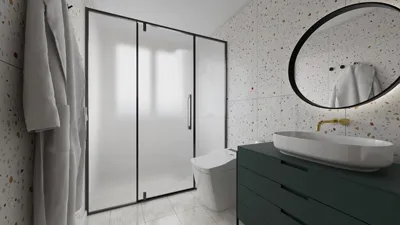


I have revitalized numerous spaces using wall panels, ranging from sleek modern slats to classic wainscoting. The immediate influence on proportions, acoustics, and overall ambiance is significant. When applied correctly, wall panels enhance visual balance, conceal unsightly wiring, introduce textural variety, and establish a durable, low-maintenance surface.
The advantages of wall panels extend beyond mere aesthetics. According to WELL v2, effective background noise management and thoughtful surface materials play a crucial role in occupant comfort. Research from Steelcase indicates that ensuring speech privacy and minimizing distractions can significantly enhance productivity in focused tasks. In my experience with home interiors and offices, integrating acoustic slat or fabric-wrapped panels typically decreases perceived noise levels.
Selecting the right colors is just as important as choosing the right patterns. Insights from Verywell Mind suggest that shades of blue and muted greens are linked to tranquility and concentration, while warmer neutrals provide a sense of comfort without overwhelming the visuals. When designing a feature wall for a workspace, I opt for low-saturation hues with a matte finish to minimize glare and promote sustained attention.
Designing Your Wall Panel Project
Begin with a clear purpose: whether it’s for elevating the space, adding warmth, or enhancing acoustic control. In compact areas, incorporating vertical slats or batten grids can create an illusion of height; conversely, in larger rooms, horizontal board-and-batten designs contribute to a sense of calm. Follow the 60/30/10 principle: allocate 60% to the primary wall color, 30% to the panel texture or secondary hue, and 10% for accents. If your design requires visualization—especially for layouts where panels also wrap around corners or include storage solutions—consider using a room layout tool to experiment with sightlines and furniture arrangements.
Select Materials That Align with Function and Budget
Common DIY materials include MDF, plywood, solid wood slats, PVC, and composite acoustic panels. MDF provides a smooth surface perfect for painting; plywood offers an appealing grain, while prefinished slats save valuable time. For areas like kitchens or bathrooms, moisture-resistant MDF or sealed PVC is ideal. In home offices or media rooms, using felt-backed acoustic panels or slatted wood with mineral wool can effectively minimize sound reflections while preserving the room's acoustics.
Proportions, Sizing, and Harmony
Achieving the right proportions is where many DIY projects succeed or falter. It’s essential to maintain consistent reveals (the gaps between panels) and batten widths throughout the feature. I prefer 40–60 mm battens for a modern look and 80–100 mm for a classic board-and-batten style. Utilizing a laser level can help ensure precision in alignment. Additionally, carefully plan where the panel ends meet; aligning seams with door frames or window edges creates a cohesive and deliberate appearance.
Illuminating Your Panel Walls
Wall panels truly come to life with the right lighting. For living areas, utilize a color temperature between 2700–3000K, while work zones benefit from 3500–4000K. Ambient lighting should hover around 150–300 lux in living rooms and 300–500 lux in spaces meant for task work. Using shielded wall grazers can highlight texture without casting harsh shadows, while avoiding direct light spots that create glare on semi-gloss finishes. If integrating LED strips, ensure you incorporate diffusers and test out angles—indirect lighting can beautifully enhance ribbed or fluted panels.
Acoustic Comfort Without Excessive Treatment
In smaller homes, you don’t require extensive soundproofing like that of a recording studio. A single slat panel backed by 25–50 mm of acoustic material can significantly reduce echo. Position panels across from hard reflective surfaces, and complement them with rugs and upholstered seating. Steelcase's findings on workplace distractions support a blend of absorptive and diffusive elements; your panels can act as diffusers while soft furnishings absorb sound.
Understanding Color Psychology and Finish Options
For focused workspaces, subdued blues and grey-greens promote concentration; warmer taupe and terracotta shades are ideal for dining spaces as they encourage sociability. It’s best to choose low-sheen finishes like matte or eggshell; these help conceal imperfections while minimizing glare. In spaces lacking natural light, select lighter mid-tones to avoid the "black hole" effect that darker panels can create.
Embracing Sustainable Choices
Opt for FSC-certified woods, low-VOC paints, and recycled felt materials. Many slat systems feature genuine wood veneer layered over MDF; choose eco-friendly water-based finishes. Should you anticipate regular redecorating, selecting paintable MDF battens on a robust base allows for easy color changes without needing to replace materials.
Step-by-Step Guide: DIY Installation
Ensure your walls are free from moisture and irregularities. Use a stud finder to locate and mark studs. Repair any significant cracks and sand the surface until it’s even.
Create a grid that accurately represents batten spacing. Dry fit a few pieces to ensure symmetry around doors and windows. Utilizing a laser will help maintain level and vertical alignment throughout the installation.
Use a fine-tooth saw to cut battens or slats cleanly. If using MDF, consider sealing the cut edges with primer to prevent fuzziness.
For heavier panels, secure them to studs; for lighter battens, a combination of construction adhesive and brad nails tends to work well. Ensure that fasteners are consistent and slightly countersinked for a neat finish.
Apply wood filler over any nail holes and caulk gaps carefully. Sand the area smooth for a seamless appearance.
Prime the surface, then apply two coats of paint, or an oil/waterborne finish depending on the wood. Reassess your lighting setup and adjust angles to best showcase the texture.
Integrating Storage and Technology
A paneled wall can effectively conceal cable runs, routers, and power outlets. Design access panels or a removable section of slats. In media rooms, ensure equipment is well-ventilated behind perforated panels to prevent overheating.
Costs, Time Estimates, and Common Mistakes
Creating a simple board-and-batten accent wall can often be completed in a single day and usually costs less than full drywall replacement. Prefabricated slat kits can expedite the process, yet keep an eye out for warped components. Common pitfalls include inconsistent spacing, neglecting primer for MDF surfaces, poorly planned terminations at baseboards, and overly bright lighting that washes out texture.
Real-World Insights for Optimal Outcomes
Utilize the WELL v2 recommendations on acoustics and lighting to prioritize comfort, and verify your task lighting levels against IES reference ranges from manufacturers. Consider color psychology when making color selections to align the mood with your room's intended use.
Maintenance and Durability
Lightly vacuum slats and avoid excessive moisture exposure to MDF. Touch up any chips with the original finish. In high-traffic areas, consider using washable paint or a hardwax oil finish on wood. Recaulk tiny gaps caused by seasonal humidity changes as needed.
Frequently Asked Questions
Vertical battens or fine slats create an illusion of increased height, and lighter mid-tone colors help avert visual compression.
Absolutely. Utilizing a slat front over acoustical material reduces echo and speech artifact, aiding concentration.
Matte or eggshell options are best, as they effectively conceal imperfections and diminish glare compared to satin or gloss finishes.
For wood, allow it to acclimate to the room's environment for 48 hours, seal all exposed edges, and choose straight-grain stock or high-quality prefinished kits.
Painted MDF battens offer a budget-friendly solution while resembling high-quality millwork when spacing and edges are executed with precision.
They can indeed. Just ensure you complement them with sufficient ambient light (approximately 150–300 lux in living areas) and maintain lighter ceiling colors.
Yes, by routing cables along the studs and leaving either an access panel or removable section for easy maintenance.
Creating a board-and-batten wall on a single surface can be achieved by cutting, adhering, nailing, filling, and painting—often manageable within a day.
Use moisture-resistant MDF or PVC, seal all edges, and be cautious of direct water exposure. Ensure the space is well-ventilated.
Using indirect grazing light with diffused LEDs at 2700–3000K is ideal for living areas; experiment with angles to avoid creating harsh shadows.
Homestyler is your go-to online home design platform, offering an intuitive design tool and stunning 3D renderings. With a wealth of design projects and helpful DIY video tutorials, it empowers you to easily create and visualize your dream space, whether you're a beginner or a seasoned designer!
Zaprojektuj teraz za darmo
































