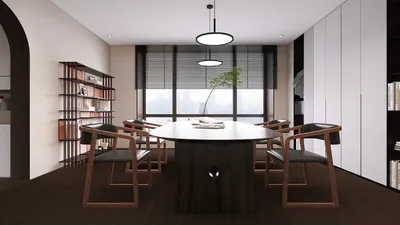


I once persuaded a client to add a chandelier to a small living room — it looked stunning in the render but turned out to feel like a disco ball in reality. This low-key design mishap taught me the importance of respecting scale and appreciating wall lighting: small fixtures can make a big impact. My most creative solutions often arise in compact spaces, and wall lights are among the simplest ways to shift the atmosphere without hindering floor space.
1. Layered Sconces for Versatile Ambiance
Placing sconces on either side of a sofa introduces symmetry and adaptable illumination for reading or unwinding. I typically recommend dimmable LED sconces, enabling clients to seamlessly transition from bright task lighting to a warm ambient glow in an instant. The only drawback is related to wiring: if you prefer to avoid new hardwiring, consider plug-in options or battery-operated smart sconces instead.
save pin
2. Picture Lights to Showcase Art and Textures
Picture lights enhance the visual appeal of artwork and textured walls, serving as a subtle method of creating focal points without changing the layout of furniture. I recently installed a slim picture light above a gallery wall in a compact apartment, instantly making the entire space feel curated; just be cautious of heat on delicate papers – LED picture lights effectively address that issue.
save pin
3. Adjustable Swing-Arm Lamps for Flexible Task Lighting
Swing-arm wall lamps are my preferred choice for multifunctional living areas: they can move and pivot while providing focused task lighting for reading or laptop use. These lamps can be mounted next to sofas or beds, adding an element of industrial allure. However, they necessitate proper installation and may leave cords visible, which I usually conceal with cord covers or routed wiring.
save pin
4. Recessed Wall Washers to Accentuate Textures
Wall washer lights deliver uniform illumination across vertical surfaces, drawing attention to plaster, brick, or wallpaper. I incorporated recessed wall washers in a narrow living room, and the space instantly felt more expansive. Although installation can be more expensive due to ceiling and wall depth and the time required from electricians, the continuous, gallery-like effect is often worth it for my clients.
save pin
5. LED Strips for Contemporary Cove and Shelf Lighting
Slim LED strips hidden in coves, behind shelves, or beneath floating mantels provide a sleek, layered appearance and are very cost-effective. I love how they add depth behind TVs and shelving units; just select a high-CRI strip along with a reliable driver to prevent flickering. A small challenge involves neat concealment — using diffuser channels and careful routing can resolve that.
If you're looking to experiment with layouts and visualize how different wall lights can affect a room's flow, consider using a room planner to mock up positions prior to drilling or wiring. For quick sketches and furniture arrangement that incorporate lighting, I suggest exploring a free floor plan creator that manages elevations effectively.
Finally, for open-plan kitchens and living rooms where wall lighting must harmonize across spaces, utilizing a kitchen layout planner can ensure your design remains cohesive and practical.
save pin
FAQ
Q1: What height should wall sconces be installed in a living room?
A1: Generally, positioning sconces at 60–66 inches from the floor to the center is ideal, but adjust based on ceiling height and furniture placement to minimize glare.
Q2: Are plug-in wall lights a viable alternative to hardwired sconces?
A2: Absolutely—particularly for rental properties or budget-conscious projects; plug-in types offer flexibility and lower installation costs, although cords may be visible unless concealed.
Q3: How do I select the appropriate color temperature for living room wall lights?
A3: Warm white (2700K–3000K) fosters a cozy environment; opt for LEDs with a higher CRI (90+) to ensure accurate color rendering.
Q4: Can wall lighting replace overhead lighting entirely?
A4: In many scenarios yes, particularly in smaller living areas when layering sconces, task lamps, and accent lights; however, certain activities may still require a central fixture for consistent brightness.
Q5: What type of maintenance do picture lights necessitate?
A5: Minimal upkeep is required—just dusting and occasional bulb replacements; using LED picture lights helps lower heat output and prolong lifespans.
Q6: What is the typical cost for installing recessed wall washers?
A6: Pricing varies by region, but anticipate higher costs for electricians and fixtures compared to surface-mounted options due to necessary cutting and wiring; consult local professionals for estimates.
Q7: Are LED strips suitable for humid areas near windows or fireplaces?
A7: Utilize IP-rated LED strips in moisture-prone areas and avoid direct exposure to heat; adhere to manufacturer specifications regarding temperature limits.
Q8: Where can I find reliable design tools to plan wall lighting layouts?
A8: For layout planning and realistic visualizations, consider professional tools like Homestyler’s 3D rendering and floor planner; for comprehensive lighting standards guidance, visit the Illuminating Engineering Society (IES) publications at ies.org.
save pin

Modern Fabric Upholstered Armchair With Metal Legs 3D Model

Bohemian Natural Rattan Woven Pendant Lamp 3D Model

Minimalist Brass Metal Wall Lamp 3D Model
Discover the power of Homestyler for your home design needs! This user-friendly platform features an intuitive online design tool, stunning 3D renderings, and a wealth of DIY video tutorials. Unleash your creativity and transform your space with ease—no experience necessary!
تصميم الآن مجانا
































