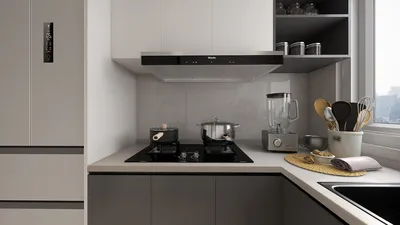


I once had a client who insisted that her entire kitchen be painted in the hue of her grandmother's wedding dress — you can only imagine my expression when she revealed a photo showcasing a dusty cream with a hint of rose. To help her visualize, I used a 3D color mockup to demonstrate how subtle undertones can shift in warm light, ultimately saving both of us from an expensive redo. This experience highlighted the significance of color in creating ambiance and memory within a space.
Such encounters have taught me that paint is more than mere pigment — it embodies mood, maintenance, and nostalgia. In small areas, every choice counts; a single misjudged sheen or undertone can turn a compact room into a claustrophobic space. Below, I offer five practical inspirations utilizing PPG house paint derived from projects I've spearheaded, while integrating insights from remarkable design software like Homestyler.
1. Establish zones with a cohesive monochrome palette
I enjoy the aesthetic of a single PPG color family in various tints to delineate separate sections in studios or open-plan layouts. It not only looks unified but also feels intentional, allowing furniture and artwork to stand out without overwhelming the space. The downside, however, is the necessity for excellent lighting and careful sample testing; otherwise, overlapping tints might appear muddled.
save pin
2. Enhance depth with contrasting trim
Combining a deep PPG accent with sharp off-white trim can transform low ceilings and narrow corridors into more structured areas instead of constricting boxes. The key lies in selecting the right trim sheen (semi-gloss vs. satin) for high-traffic areas, while acknowledging that glossy finishes can highlight imperfections — this necessitates thorough preparation.
save pin
3. Choose the appropriate sheen based on functionality
I typically lean toward satin or eggshell finishes for active living spaces and semi-gloss for kitchens and bathrooms. Recent PPG formulations also make cleaning a breeze; however, a high sheen can accentuate surface flaws. Hence, it’s essential to invest time in sanding and priming. Moreover, when rethinking layouts, pairing paint choices with planning tools like kitchen layout examples can help in anticipating splash zones and traffic patterns, ensuring you select the correct finish beforehand.
save pin
4. Use accent colors on ceilings to create a boutique appeal
Applying a soft, muted shade from the PPG palette to the ceiling can give a small room a sense of height and elegance — a minor investment that pays off visually. The most challenging aspect is ensuring that undertones match; a tiny sample panel has saved me numerous times when daylight and LED lighting clashed over color perception.
save pin
5. Select durable exterior-grade paint for high-wear areas
When addressing entryways, garage interiors, or painted concrete, utilizing a robust PPG formulation designed for areas of high foot traffic ensures longevity. While this may not be the least expensive option, it can save you from frequent touch-ups. During a rental flip project, the initial investment was apparent, but the reduction in turnover stains was significant — a worthwhile consideration for those valuing time over minimal savings. If you're seeking further inspiration from innovative designs, explore an AI design case that illustrates how color and materials engage, perhaps with the aid of Homestyler.
save pin
FAQ
Q1: Does PPG house paint offer low VOC options?
A: Indeed, many PPG lines feature low-VOC or zero-VOC alternatives that are suitable for indoor applications. For health-related VOC information, refer to the EPA's indoor air quality resources.
Q2: Which sheen is optimal for kitchens?
A: Semi-gloss or satin finishes are preferred for kitchens given their moisture resistance and easy cleanability. While matte finishes provide softness, they can be trickier to maintain in splash-prone areas.
Q3: How many coats of PPG paint do I typically need?
A: Generally, two coats are necessary for uniform coverage, although using a quality primer can minimize this requirement. Transitions from dark to light or significant color alterations might necessitate a tinted primer in addition to two finish coats.
Q4: Is PPG paint suitable for furniture?
A: Absolutely — select a formula designated for cabinetry or furniture, and consider applying a durable topcoat for high-contact surfaces. Proper sanding and a bonding primer will enhance adhesion and longevity.
Q5: What's the best method to test PPG colors at home?
A: I recommend painting 12" x 12" swatches on various walls and observing them at different times throughout the day. Variations in natural light and surrounding materials will reveal undertones that tiny chip swatches may not display.
Q6: Are there specific prep steps needed for older walls?
A: Certainly. Eliminate any flaking paint, fill in holes, sand glossy sections, and prime any stained or repaired areas. Effective preparation can reduce the number of finish coats and enhance durability.
Q7: How long can I expect PPG exterior paint to last?
A: With the right preparation and climate-appropriate products, many PPG exterior paints can endure significant wear for 8–12 years. The local climate and surface type will be the primary factors influencing longevity.
Q8: Where can I obtain professional advice on color?
A: PPG provides guides and color consultation services, but for spatial planning and visualization, collaborating with a designer or utilizing visualization tools can help preview your options in context. Combining professional guidance with practical mockups can prevent costly blunders.
save pin
Homestyler is your go-to online home design platform, perfect for bringing your creative visions to life! With its user-friendly design tool, stunning 3D renderings, and a wealth of design projects and video tutorials, you can effortlessly craft and visualize your dream space.
Progetta ora GRATIS
































