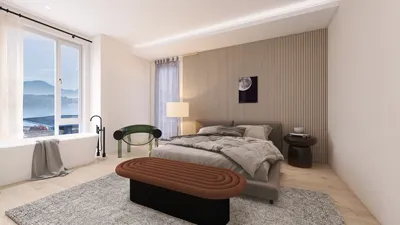


One time, I agreed to paint a client's living room at midnight for a surprise reveal the following morning. I quickly learned the importance of ventilation and the effects of pets in such situations. This nocturnal job also highlighted how a paint sprayer can transform a mundane room into a stunning showcase in just a few hours. For anyone looking to visualize the possibilities, check out this 3D render I created to help a hesitant homeowner see the potential of their space with the help of Homestyler.
1. Achieving Uniformity: Walls and Ceilings
I truly enjoy spraying entire walls and ceilings due to the remarkably smooth finish — free from roller marks and lap lines. However, the preparation is critical: ensure everything is covered, edges are masked, and overspray is controlled, or else you might be reminded of the project through dirty light fixtures and floors for weeks to come.
2. Speedy Cabinets and Built-ins
When spraying kitchen cabinets or built-in shelves, the time taken can be drastically reduced, resulting in what appears to be a custom finish. While this method offers speed, I often resort to back-brushing or light sanding between coats for sharper edges. From a budgeting perspective, investing in a small compressor and a quality HVLP (High Volume Low Pressure) gun pays off quickly, especially if you're tackling numerous projects.
save pin
3. Accent Walls and Unique Finishes
Using a sprayer allows you to apply glazes or metallics in a subtle manner, making it ideal for an accent wall that feels contemporary without being overly flashy. For functional areas such as kitchens, I combine this finishing concept with practical layout considerations; for instance, check out complementary kitchen layout suggestions when planning splash zones and ventilation to maintain the finish's longevity.
save pin
4. Spraying Upholstery and Challenging Surfaces
Spraying fabric or textured surfaces is often underrated. Light coats can breathe new life into chairs and lampshades without needing a complete overhaul. It's a delicate process — always test beforehand, use low pressure, and anticipate needing touch-ups later; sometimes, the time spent may not align with the savings on new upholstery unless the item holds significant sentimental or design importance.
save pin
5. Making Small Spaces Shine: Closets, Hallways, and Bathrooms
Sprayers really excel in small areas — they deliver quick, full coverage and the finish successfully conceals minor wall imperfections. Be cautious of moisture levels in bathrooms and opt for semi-gloss or satin acrylics for added durability. If you're interested in how technology can enhance design choices, I've previously discussed an AI interior design case that helps visualize treatments for smaller spaces with tools like Homestyler.
save pin
FAQ
Q1: Is spraying interior paint superior to rolling?
I typically suggest spraying for its speed and smooth finish on large surfaces, while rolling remains a solid choice for tighter budgets with less preparation needed. For minor patch work, rolling can indeed be quicker and cleaner.
Q2: What safety equipment should I use?
Always wear a respirator suitable for paint fumes, protective goggles, and coveralls. Proper ventilation is crucial — I never spray indoors without ensuring that fans are running and windows are open.
Q3: Can I use any type of paint with a sprayer?
Most paints require thinning or should be run through a sprayer designed for thicker materials; be sure to check the manual for your sprayer and test with a scrap panel to prevent clogs.
Q4: How do I prevent overspray?
Utilize masking paper, tape, and set the sprayer to low pressure; maintaining proper gun distance and a consistent sweeping motion can make a significant difference. Practicing on cardboard can help refine your spraying technique.
Q5: Is using a sprayer more costly?
While the initial investment in equipment may be higher than brushes and rollers, it becomes economical for extensive projects due to both time efficiency and material savings.
Q6: How long should I wait before using a newly sprayed room?
Drying times depend on the type of paint and humidity conditions; many water-based acrylics feel dry to the touch within 1-2 hours and will fully cure over several days. It's best to minimize foot traffic for at least 24 hours to allow for a flawless finish.
Q7: What precautions should I take regarding lead paint and spraying?
If your house was built before 1978, it’s essential to test for lead before disturbing old paint; the EPA provides comprehensive guidelines on lead-safe work practices (refer to EPA: https://www.epa.gov/lead/protect-your-family-lead-paint).
Q8: What’s the best advice for DIYers starting out with a sprayer?
Start by practicing on scrap wood, masking everything adequately, and planning your cleanup process—always strain your paint and promptly clean the sprayer. I highly recommend beginning with smaller projects to establish your spraying rhythm before taking on an entire room.
save pin
Homestyler is your go-to online home design platform, perfect for anyone looking to transform their space. With its user-friendly design tool, stunning 3D renderings, a wealth of design projects, and helpful DIY video tutorials, creating your dream home has never been easier!
Progetta ora GRATIS
































