

I once transformed an entire hallway with a lovely pale grey shade, only to discover it appeared purple at dawn. My client humorously remarked that I had unintentionally created 'mood lighting.' This little mishap highlighted the importance of testing greys under actual light conditions and envisioning changes before picking up a paint roller. To see how a color interacts in a space, I often suggest clients explore the room in a 3D layout using tools like Homestyler to minimize surprises.
Compact spaces are perfect for experimenting with grand ideas: a single grey wall can either soothe a chaotic layout or enhance bold accents. Here, I present five practical inspirations that I frequently apply in my projects, drawing on invaluable insights from experts, minor setbacks, and budget-friendly advice gathered over a decade of kitchen and apartment renovations.
1. Combine light grey with warm wood and brass
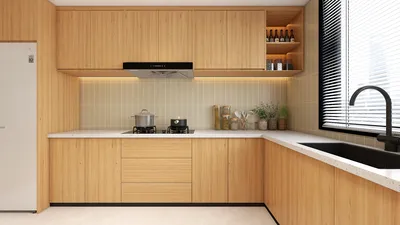
Pairing light grey with natural oak or walnut instantly adds warmth to a room while retaining a contemporary aesthetic. This combination fosters a cozy, timeless atmosphere, though one must carefully balance the undertones; a too-cool grey may clash with warm woods. A useful tip is to place swatches next to cabinetry and test a brass knob to determine the final ambiance.
save pin
2. Utilize two-tone greys: lighter above and darker below
Applying a slightly deeper grey to the lower third of a wall not only creates visual depth but also conceals scuffs in high-traffic areas. This approach is budget-friendly and ideal for rental spaces, although it requires precision in applying lines or incorporating a slim moulding to separate the shades neatly. I once helped a client avoid annual repainting by suggesting this technique in their busy family entryway.
save pin
3. Add texture with matte plaster or eggshell finishes
Using a matte plaster or limewash finish in a light grey introduces a tactile, artisanal quality that regular flat paint cannot achieve. It softens light reflections, providing a warmer appearance on skin tones; however, expect a bit more work and a slightly elevated material cost. If uncertain about the scale, create a small panel to compare sheen and texture before making a commitment.
save pin
4. Ground the space with black accents and layered lighting
Light grey walls serve as a great backdrop for matte black fixtures, framed artwork, and varied lighting—consider incorporating pendant, task, and strip lights. The benefit is a dramatic, polished hotel-like feel; however, black can show dust and requires careful placement. For kitchen projects, I often draft layout options with clients to ensure that contrasting elements do not lead to visual chaos.
save pin
5. Use ceiling and trim techniques to expand compact rooms
Painting the trim a similar light grey or opting for a slightly lighter ceiling shade blurs lines and visually elevates the room. Glossy ceilings reflect light beautifully but may reveal imperfections; thus, a satin finish offers a safer compromise. Recently, I have been utilizing AI-driven design tools, such as Homestyler, during the conceptual phases to quickly explore various subtle variations and reduce the likelihood of needing to repaint.
save pin
FAQ
Q1: How can I select the right undertone for light grey?
A1: Evaluate the paint against your key furnishings and observe it at different times of the day. Greys with blue undertones tend to feel cooler, while those with beige or green tones communicate warmth. Bring sizable swatches into your home and check them in both morning and evening light.
Q2: Will light grey make my small room feel cramped?
A2: Not if the correct finish and lighting are utilized—light greys with reflective properties and warm undertones can open up a space, while flat, cool greys might create a more enclosed feeling. Layered lighting and reflective details can significantly enhance the sense of space.
Q3: What trim color works best with light grey?
A3: A trim that is a close match (a slightly lighter or glossier version) fosters cohesion; stark white trim provides contrast and looks fresh. Test both options against a lengthy wall before making your choice.
Q4: Which sheen should I opt for when painting walls light grey?
A4: Eggshell or satin finishes are typically ideal as they are durable yet not overly shiny. Use matte or flat on textured plaster to conceal flaws, and semi-gloss for trims and cabinetry.
Q5: How much paint should I purchase for a small bedroom?
A5: Generally, one gallon (3.78L) will cover around 35–40 square meters, depending on the number of coats and surface type. It's wise to buy a little more for touch-ups and future color matching.
Q6: Is light grey a timeless choice?
A6: Absolutely—light grey is a versatile neutral that adjusts well to evolving styles and accents. Its effectiveness relies on undertone and pairing. I’ve repeatedly utilized the same base grey across various projects with distinct atmospheres, simply by changing the accessories.
Q7: Can I incorporate light grey in kitchens and bathrooms?
A7: Yes—just choose paints designed for higher humidity in bathrooms and durable, wipeable finishes for kitchens. Lighter greys are forgiving and can make surfaces appear cleaner when paired with the right sealing techniques.
Q8: What is the best way to accurately test paint colors?
A8: Paint 24"x24" panels on different walls and observe them at various times. For detailed insights into light reflectance and color behavior, refer to manufacturer resources such as Sherwin-Williams, which offers comprehensive information on LRV and undertones.
save pin
Discover your dream space with Homestyler! This user-friendly online design platform offers powerful 3D rendering, a variety of design projects, and DIY video tutorials. Whether you're a novice or a pro, Homestyler makes home design easy and inspiring. Turn your ideas into reality today!
Progetta ora GRATIS
































