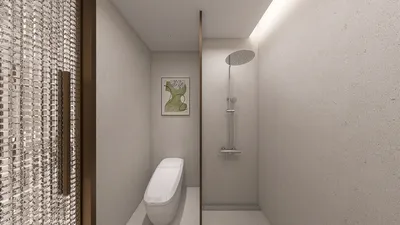


I once worked with a client who envisioned a wall that resembled a soft galaxy—no neon lights or disco effects, just a gentle radiance when light touched it. By incorporating a glitter additive into the paint and testing it on a sample panel, I discovered three critical insights: glitter reacts uniquely to different lighting, moderation achieves more significant results, and small spaces can be transformed into enchanting areas with carefully applied shimmer. This simple experiment turned a cramped powder room into a captivating conversation starter and illustrated how a well-thought-out shimmer can revitalize a small-space makeover with the help of tools like Homestyler.
1. Accent Wall with Fine Micro-Glitter
For bedrooms or living rooms, I frequently suggest creating a single accent wall using ultra-fine micro-glitter mixed with a satin or eggshell base. The outcome presents a velvety sheen from a distance and a delicate sparkle up close—perfect for enhancing depth without dominating the space. This budget-friendly approach is effective if you focus on just one wall, though be prepared for slightly more preparation time to achieve an even finish.
save pin
2. Ombre Shimmer for Vertical Interest
Applying glitter in an ombre style—more concentrated at the bottom and fading upward—can create the illusion of height in areas with low ceilings. I employed this technique in a studio apartment; the gradient effect visually elevated the ceiling and concealed minor wall flaws. A smooth blend requires attention, so plan for two coats and a quality blending brush or sponge.
save pin
3. Subtle Shimmer in High-Use Areas
In practical spaces like kitchens and hallways, utilize satin paint mixed with a low-sheen glitter additive. This gentle reflection conceals scuff marks and adds warmth under soft LED lights—what I refer to as an accent shimmer finish—ideal for areas near open shelving or task lighting. Remember to select additives rated for durability if the area will require frequent cleaning.
save pin
4. Layering Pearlescent Glaze over Matte
To maintain control over the finish, begin with a matte paint, then apply a pearlescent glaze blended with glitter in thin layers. I utilized this method for a client who desired elegance without overt sparkle; it resembles silk when illuminated. This approach demands more effort and materials, but the result is a sophisticated, high-end appearance.
save pin
5. Functional Sparkle for Small Bathrooms
Bathrooms serve as compact canvases where a glitter additive can create a luxurious feel—particularly on a vanity wall or within recessed niches. Opt for a moisture-resistant binder and a subtle shade to avoid an overly festive vibe. For wet areas, it’s advisable to test a small section; a soft pearlescent layer can enhance tiles and fixtures while minimizing maintenance hassles.
save pin
FAQ
Q1: What exactly is a glitter additive and how is it mixed with paint?
Typically, it consists of a combination of mica, polyester, or mineral flakes meant to integrate into paint bases or glazes. Ensure thorough mixing and conduct tests, as heavier particles might settle; always adhere to the manufacturer’s guidelines for compatibility.
Q2: Is glitter paint suitable for high-traffic walls?
The durability largely relies on the binder and topcoat. For areas with heavy foot traffic, select additives specifically designed for washable finishes and seal with a transparent protective coat to avert flaking.
Q3: Will glitter exhibit brush marks?
Coarser glitter can highlight brush or roller patterns, so employing very fine micro-glitter provides smoother outcomes. Consistent techniques or spray applications are advised where possible for best results.
Q4: Are there health or indoor-air quality concerns?
Certain additives and paint bases may contain VOCs; opt for low-VOC or water-based products for indoor applications. For VOC information, visit the U.S. EPA site regarding volatile organic compounds: https://www.epa.gov/indoor-air-quality-iaq/volatile-organic-compounds-impact-indoor-air-quality.
Q5: How should I maintain glittered walls?
Generally, gentle wiping with a soft cloth and mild detergent suffices, provided the finish is sealed. Avoid harsh scrubbing to prevent damaging the glitter or topcoat.
Q6: Is it possible to do this myself or should I engage a professional?
DIY is feasible for small accents if you are comfortable with testing and creating sample panels; hiring a professional is recommended for full-room glazes or intricate gradients to ensure thoroughness and appropriate sealing.
Q7: What is the cost of glitter additives?
Prices can vary—small jars intended for accents are relatively inexpensive, while commercial-grade additives and professional applications will increase costs. Be sure to budget for testing, primer, and sealant.
Q8: Any suggestions for color coordination when pairing glitter with interiors?
It is essential to match the glitter’s tone with the room’s overall palette—warm golds complement beige and olive tones, while cool silvers or pearlescent hues are suitable for grays and blues. In smaller rooms, keep it understated to prevent visual overwhelm.
save pin
Homestyler is your go-to online home design platform! With its user-friendly design tool, stunning 3D renderings, and a wealth of DIY video tutorials, you can effortlessly create and visualize your dream spaces. Transform your home design ideas into reality today!
Дизайн сейчас бесплатно
































