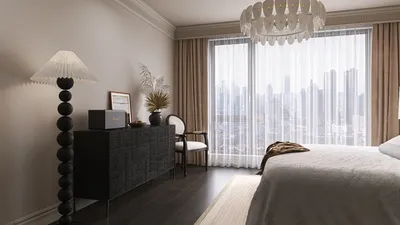


During a recent project, I persuaded a client to incorporate dark teal into their bedroom decor, leading to a rather amusing reveal the following day — they arrived with a matching velvet sofa and even a parrot to complete the theme. This experience taught me two valuable lessons: first, people are drawn to the vibrant and bold essence of teal, and second, you can always adjust your decor to harmonize with the color's energy. If you're looking to visualize your space before making a decision, consider using the Homestyler tool to explore how different lights affect the color; it can prevent the hassle of multiple repaints later on.
Navigating the challenges of small spaces often inspires inventive and thoughtful design choices. Below, I share five practical ideas that I've successfully implemented in my own projects, including the benefits, minor obstacles, and budget-friendly tips that I rely on.
1. Designate an Accent Wall
Choose one wall to paint in a dark teal tone while keeping the remaining walls in light neutrals. This approach adds dramatic flair without overwhelming the entire room. The main advantage is creating an easy focal point that is less costly than painting every wall, but be mindful that your furniture arrangement needs to complement this striking choice or else the wall might clash with your sofa.
Tip: Apply a large paint swatch in the area and observe it during both morning and evening hours to select the ideal shade.
save pin
2. Combine with Warm Woods and Brass
Dark teal pairs beautifully with mid-tone wooden elements and warm brass accents, resulting in a cozy, layered aesthetic reminiscent of vintage charm. I've utilized this combination in rental properties to enhance perceived value without undertaking costly renovations.
Challenge: Since brass finishes and wood undertones can vary significantly, it's advisable to bring samples together with your paint chip before purchasing new fixtures.
save pin
3. Ideal for Small Bathrooms to Exude Luxury
Using dark teal in a small bathroom can create a luxurious boutique hotel ambiance; pair it with white tiles and matte black fixtures for a contemporary touch. For awkward layouts, I often create detailed 3D models using tools like Homestyler to ascertain sightlines and optimize lighting arrangements around mirrors and tiles.
Budget tip: Investing in paint and a striking mirror is usually more economical than replacing tiles while delivering a comparable visual impact.
save pin
4. Layer Textures for Added Depth
The richness of dark teal lends itself well to textured layering with items such as rugs, linen curtains, and woven baskets to prevent the space from appearing flat. In one instance, I rejuvenated a compact living area by incorporating a sisal rug and plush velvet cushions, transforming the teal wall from a potential burden to a deliberate design choice.
Caution: an overabundance of shiny surfaces can lead to a heavy appearance, so aim for a balance of matte and soft finishes for comfort.
save pin
5. Apply Dark Teal to Cabinets for a Daring Kitchen Upgrade
Painting base cabinetry in dark teal while keeping upper cabinetry in lighter neutrals can ground your kitchen visually and better disguise scuffs than traditional white surfaces. If you're mapping out a compact kitchen layout, utilizing Homestyler to plan your cabinet placement and appliance clearance beforehand is essential for ensuring both functionality and color coherence.
Helpful hint: consider updating hardware with warm metals and incorporating under-cabinet lighting for a contrasting effect — a cost-effective way to achieve a high-end look.
save pin
FAQ
Q1: Is dark teal a good choice for small rooms?
Absolutely — dark teal can create a sense of coziness and intentionality in small spaces rather than making them feel confined; using it as an accent or pairing it with light ceilings helps avoid a cave-like effect.
Q2: What finish should I use for dark teal?
For walls, I typically recommend an eggshell or satin finish — these options reveal depth without excessive shine and are easier to clean in high-traffic areas.
Q3: Can dark teal suit both modern and traditional styles?
Definitely. In modern settings, maintain cleaner lines and introduce matte black elements; while in classic environments, lean towards wooden textures and antique brass for added warmth.
Q4: What’s the best way to test dark teal before making a commitment?
Paint a sample roughly 2x3 feet on your wall and observe it throughout different times of day; living with the sample for a few days offers the best judgment.
Q5: Will dark teal make my room appear smaller?
Not necessarily — using it strategically on one wall or on lower cabinetry can anchor the space without diminishing its perceived size; lighting and contrast play more pivotal roles than the color itself.
Q6: Do you have any quick maintenance tips for dark teal walls?
Opt for washable paint if the wall will experience contact frequently and keep a small touch-up kit with mixed paint on hand; dark colors generally conceal dirt well, but they do show scuffs differently than lighter shades.
Q7: Where can I find dependable color advice?
Sherwin-Williams recommends: 'Always test a sizable sample on the wall and observe it in both natural daylight and artificial light before making a commitment.' Such real-world testing is crucial for effective color selection, especially with deep hues.
Q8: Is it feasible to use dark teal in a rental space?
Yes — applying removable wallpaper or opting to paint lower cabinets instead of entire walls can create a significant aesthetic impact while remaining easy to reverse before moving out.
save pin
Discover the ease of home design with Homestyler! This user-friendly platform offers a powerful online design tool, stunning 3D renderings, a wealth of inspiring design projects, and helpful DIY video tutorials. Transform your space with confidence and creativity, regardless of your experience level!
تصميم الآن مجانا
































