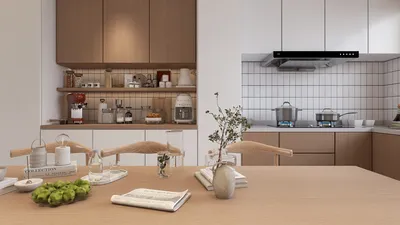


I once had a client who was adamant about painting every wall a deep dark gray to achieve a "theater-like ambiance". It was a daunting challenge until I utilized a 3D floor planner, which visually demonstrated how light, texture, and interior arrangement can drastically alter the perception of space. That small illustration not only salvaged the project but also imparted that the impact of a dark gray wall can either be striking or overwhelming, based on the overall approach. I find working with compact spaces exhilarating—limited area inspires me to innovate with contrast, finishes, and the scale of furniture.
1. Textured Neutral Layers
Combining a dark gray wall with warm wood elements, textured fabrics, and a cozy rug creates layers that soften the bold tone, making the space feel intentionally inviting. The benefit is a chic, cocooned aesthetic that conceals minor wall flaws; however, overusing dark textiles can create a heavy atmosphere, so it's wise to integrate light-reflecting items like a brass lamp or a linen throw to balance it out.
save pin
2. Striking Trim and Door Contrast
Painting trim or doors in a sharp white or deep black against a dark gray backdrop is an effective way to introduce architectural flair without undergoing renovations. This budget-conscious strategy works particularly well in narrow corridors, although achieving clean lines requires precise painting or expert trim installation to avoid messy edges.
save pin
3. Dramatic Monochrome Kitchen
Dark gray walls paired with matte cabinetry and a mix of metal fixtures yield a moody yet modern kitchen aesthetic. Imagine charcoal walls accompanying concrete countertops and open wooden shelves. Before making a final decision, I favor assessing sightlines and proportions using a kitchen layout planner to ensure that the dark background doesn’t overshadow appliances or create a cramped vibe; you may need to incorporate stronger lighting solutions as a result.
save pin
4. Gallery Wall with Art and Intelligent Lighting
Utilize a dark gray wall as a backdrop for your art, allowing colors to appear more vibrant against it. Incorporating picture lights or track lighting enhances the visual palette; a minor consideration is that reflections and glare can become more pronounced on darker surfaces, so opting for matte or low-sheen finishes for artwork frames is advisable.
save pin
5. Creating Space Illusion with Shine and Reflection
Using glossy tiles or mirrored panels against part of a dark gray wall can deceive the eye, creating an illusion of depth that makes small rooms feel expansive and luxurious. I often use mirrored backsplashes and high-gloss trims to bounce light in areas with limited windows; however, be prepared for increased maintenance due to fingerprints and occasional need for polishing.
One budget-friendly tip is to sample various gray shades on different walls at different times of the day before settling on the ultimate color choice. I frequently patch test 2'×2' panels to assess how they feel over a week-long period.
save pin
Frequently Asked Questions
Q1: Are dark gray walls unsuitable for small rooms?
A: Not at all—dark gray can introduce depth and elegance. By incorporating contrast, reflective surfaces, and layered lighting, you can keep the space from feeling constricted.
Q2: Which gray undertones are best for wall applications?
A: Cool grays with hints of blue or green tend to maintain a contemporary vibe, while warm grays with brown undertones create a cozier environment; always test samples with your room’s lighting.
Q3: What paint finish is best for a dark gray wall?
A: Eggshell or matte finishes are perfect for walls as they mask imperfections and minimize glare. For cabinetry or trims, you might consider satin or semi-gloss for durability (check Benjamin Moore for quality guidelines: https://www.benjaminmoore.com/).
Q4: How should I choose flooring to complement dark gray walls?
A: Incorporating warm wood tones or light neutral tiles provides a harmonious contrast; it’s best to avoid matching gray floors unless you aim for a deliberate, styled monochrome appearance.
Q5: Will dark gray walls negatively impact my home's resale value?
A: A well-applied dark gray accent can elevate perceived sophistication; however, refraining from painting every room in heavy shades is essential—neutral tones generally attract broader buyer interest.
Q6: Can I accomplish painting a dark gray wall by myself?
A: Absolutely, provided you are diligent with preparation—prime over bright colors, use quality rollers for uniform coverage, and consider hiring professional help for impeccable trim lines.
Q7: How can I ensure furniture complements a dark gray wall?
A: Introduce lighter fabrics, metallic details, and layered textures to create contrast and prevent the furniture from blending in with the wall.
Q8: What tools can help visualize dark gray walls before committing to paint?
A: Mockups and mood boards are effective tools, and advanced solutions like AI interior design platforms, such as Homestyler, can swiftly present various color dynamics and lighting scenarios to aid in your decision-making.
save pin
Homestyler is your go-to online home design platform, perfect for transforming your space effortlessly. With its user-friendly design tool, stunning 3D renderings, diverse design projects, and helpful video tutorials, you can unleash your creativity and create the home of your dreams!
지금 무료로 디자인하세요
































