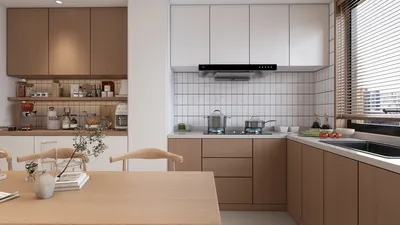


I have successfully incorporated 3D wallpapers in various settings including homes, hospitality spaces, and small offices to transform plain walls into dynamic backdrops that enhance depth and character. When executed properly, these wallpapers can visually enlarge compact areas, stabilize open-plan layouts, and create unforgettable focal points without requiring any structural alterations. Utilizing Homestyler can help visualize these transformations effortlessly.
The significance of scale and brightness surpasses that of any individual pattern. A 2023 study by Gensler found that visual variety and intriguing environments are directly related to improved perceived efficacy and overall well-being in open office settings. For illumination, the Illuminating Engineering Society (IES) suggests maintaining light levels around 300–500 lux for general ambient tasks; when displaying textured or relief wallpapers, my target is approximately 350–450 lux ambient light with adjustable accent lighting to minimize harsh shadows and glare while preserving the visibility of the texture. In wellness standards, WELL v2 emphasizes glare management and optimal lighting comfort as essential for occupant satisfaction, further emphasizing the importance of balanced lighting across glossy surfaces.
Design Principle: Depth Without Distraction
3D wallpapers can create a spatial illusion through aspects such as scale, shadow, and repetition. My general guideline is to choose a motif with a distinct rhythm, a balanced contrast ratio, and a gradient that transitions from foreground to background, directing the viewer's gaze. In living areas, employing mid-scale geometric textures or gentle architectural trompe-l’oeil can increase dimensionality without overwhelming the senses. For bedrooms, softer gradients with cooler shades and lower contrasts are advisable, while entryways and accent walls can handle bolder, high-contrast designs.
Illuminating Texture: Lux, Color Temperature, and Glare Management
Lighting can either enhance or clash with a 3D surface. Typically, I blend ambient lighting at around 350–450 lux with accent light sources ranging from 150–250 lux to highlight textures. It's crucial to maintain the color temperature between 2700–3000K for a cozy residential feel, 3000–3500K for lively spaces, and 3500–4000K in studios or home offices where crisp definition is necessary. Employ asymmetric wall washers or grazing techniques from a 12–18 inch distance to avoid direct hotspots; cross-aim two low-output accents when dealing with deep textures to soften shadow boundaries. The glare restrictions from WELL v2 align with the comfort of occupants—utilizing diffused optics and dimmable drivers can significantly enhance the experience.
Selecting Patterns: Geometric, Organic, Trompe-l’Oeil
- Geometric relief (facets, hexagons, ribbed waves): These offer a clean, contemporary appearance, ideal for living rooms or corridors, especially when paired with matte surfaces to diminish shine.
- Organic shapes (topographies, leaf embossing, flowing layers): These provide a soothing and nature-inspired ambiance; it's best to keep the contrast low in bedrooms for relaxation.
- Trompe-l’oeil features (arches, columns, faux doors): These visually expand spaces, perfect for narrow hallways to alleviate the tunnel-like effect.
Understanding Color Psychology and Material Finishes
Colors influence mood and perceived depth. As noted by Verywell Mind, blues and greens promote tranquility and concentration, whereas warmer tones boost energy. For 3D wallpapers, using cool palettes with gentle value changes helps create a sense of depth; while warm highlights add dimension and focal points. Material finishes also play a critical role: ultra-gloss can highlight every flaw; satin or low-sheen vinyls, textile-backed papers, or mineral composites will preserve depth without adding glare. If sound absorption is needed, textured nonwoven materials or felt-backed panels provide both visual appeal and acoustic benefits.
Room-Specific 3D Wallpaper Inspiration
- Living Room: Consider a mid-scale ribbed or fluted design behind the sofa, accompanied by 3000K ambient light and subtle grazing accents. Utilize Homestyler as a room layout tool to foresee how a striking feature wall interacts with your furniture.
- Bedroom: Opt for an understated organic relief in soft tones behind the headboard. Ensure the pattern fades softly; keep ambient lighting around 300–350 lux, with dimmable accents.
- Home Office/Studio: Employ micro-geometric or linear depth patterns that won’t distract during video calls. For this space, cooler color temperatures (CCT 3500–4000K) and controlled contrasts with matte finishes are advisable to prevent glare.
- Entryway/Corridor: Utilize trompe-l’oeil architectural details or elongated textures to visually enhance the space. Gentle wall washing will mitigate harsh shadows in confined areas.
room layout tool
Understanding Spatial Ratios and Visual Harmony
Feature walls should account for about 20–40% of the room’s visual emphasis, depending on the width and ceiling height. In spaces with lower ceilings, vertical reliefs can draw the eye upwards; in rooms with significant windows, opt for wallpaper contrast that is a step softer than the window framing to prevent visual distraction. Aim for a 3:1 rhythm between design prominence and calmer surfaces throughout the room.
Promoting Acoustic Comfort and Behavior
Textured wallpapers can help diffuse sound, making them particularly effective in vibrant living areas. In open designs, pairing these 3D feature walls with fabric furnishings, rugs, and ceiling baffles can achieve a balanced reverberation time (RT60). People tend to gravitate towards visually attractive yet acoustically pleasant zones; if a wall is striking, complement surrounding elements to encourage longer stays.
Installation Guidance: Edges, Seams, and Upkeep
- Test lighting prior to full installation; adjust fixtures and check for shadows in evening light.
- Order an extra 10–15% material for matching complex relief patterns.
- Ensure smooth wall surfaces and primed backing; any imperfections can show through embossed designs.
- For frequently touched areas, opt for wipeable, PVC-free vinyls or mineral composites with low VOC adhesives.
Trends for 2024-2025
Current trends showcase sculptural minimalism (monochromatic depth), biophilic geometric patterns, and soft-architectural illusions that effectively merge art with surface design. In compact environments, micro-relief textures combined with subtle light effects appear modern, while the hospitality sector tends to lean towards oversized, gallery-style trompe-l’oeil designs that photograph beautifully.
When to Choose Bold vs. Subtle Designs
Bold patterns are best suited for social areas equipped with effective lighting control; gentle textures work well in restorative spaces or areas with inconsistent daylight. In situations where a room already has multiple focal points (such as a fireplace, artwork, or TV), select a 3D wallpaper that complements rather than competes—consider gradient textures or directional ribbing that frames the space effectively.
Research on workplace design and visual variety effectiveness is provided by the Gensler Research Institute. Ambient light level recommendations and glare management can be referenced through IES guidelines and WELL v2 for lighting comfort.
FAQ
Q1: Can 3D wallpaper enhance the feeling of space in smaller rooms?
A1: Absolutely, especially when utilizing gradients, cooler tones, and mid-scale patterns that create a sense of depth. Trompe-l’oeil designs or receding geometries can visually expand narrow areas.
Q2: What is the ideal lighting intensity I should aim for?
A2: Aim for ambient light levels around 350–450 lux, complementing with dimmable accent wall washing at 150–250 lux. Keep color temperatures between 2700–3000K for living and bedroom spaces and up to 4000K for studios to enhance edge clarity.
Q3: Are high-gloss finishes advisable?
A3: High-gloss can create glare and intense reflections that can diminish the perception of depth. Satin or low-sheen finishes preserve texture while being easier to photograph.
Q4: Which types of patterns are best suited behind screens or monitors?
A4: Opt for micro-geometric or soft linear relief designs with low contrast. Matte surfaces help minimize reflections and distracting effects during video calls.
Q5: How do I achieve balance between a bold 3D wall and the rest of the space?
A5: Keep adjacent walls calmer, incorporate one color from the feature wall into textiles, and maintain a 3:1 ratio of tranquil to dynamic surfaces. Layer lighting judiciously rather than relying solely on one bright source.
Q6: Is 3D wallpaper appropriate for moisture-prone environments?
A6: Select moisture-resistant, wipeable materials along with low-VOC adhesives. Avoid deep relief textures in areas directly exposed to splashes; opt for sealed vinyl or mineral composites in bathrooms.
Q7: Can 3D wallpaper enhance acoustic performance?
A7: Textured and textile-backed materials assist in sound diffusion. Combine these with rugs, curtains, and soft furnishings for significant acoustic improvements in lively spaces.
Q8: What is the best way to visualize layouts prior to purchasing?
A8: Utilize an interior layout planning tool to simulate furniture arrangements, light positioning, and the feature wall's sightlines. This will enable you to assess pattern scale and avoid visual clutter.
Q9: Do bold black-and-white designs lead to eye strain?
A9: High-contrast, tightly repeated patterns can indeed induce eye fatigue, especially under bright, cool lighting. It's preferable to choose larger patterns or softer contrasts in living environments.
Q10: How should I maintain my 3D wallpaper?
A10: Use a soft brush attachment for dusting; for spot cleaning, utilize a damp microfiber cloth with mild soap. Steer clear of abrasive materials that could press down the relief.
Q11: Is it possible to combine 3D wallpaper with wall art?
A11: Yes—ensure there is adequate negative space around your artwork, align frames with the rhythm of the pattern, and select matte finishes for frames to avoid distracting reflections.
Q12: What sustainable options are available for 3D wallpaper?
A12: Seek out PVC-free, low-VOC materials as well as recycled nonwovens. Textile-backed products enhance durability and decrease the necessity for replacements over time.


Homestyler is an outstanding online home design platform perfect for anyone looking to transform their space. With its user-friendly design tool, impressive 3D rendering features, and a treasure trove of inspirational design projects and video tutorials, turning your decor dreams into reality has never been easier!
Concevez maintenant gratuitement
































