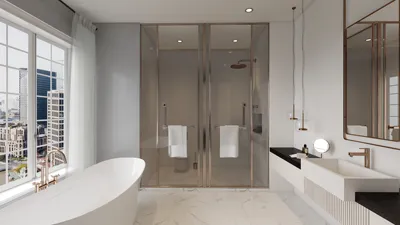


I view 3D wallpaper as a spatial tool that transcends mere decoration; it has the power to transform depth perception, enhance visual harmony, and thoughtfully direct movement throughout a space. When used strategically, it can create an illusion of space in smaller living areas, highlight key walls, and help reduce visual clutter. My primary focus revolves around three elements: scale, lighting, and ergonomic seating for optimal results.
To create effective depth illusions, it's crucial to utilize appropriate lighting. The Illuminating Engineering Society suggests targeting 10 to 20 footcandles (approximately 100 to 200 lux) for general living areas, increasing to about 30 footcandles (around 300 lux) for task-oriented zones. 3D patterns thrive on contrast, which is why I generally maintain ambient light at roughly 150 to 200 lux and incorporate accent lighting to achieve around 250 to 300 lux on prominent walls. Additionally, color plays a significant role in shaping perception: according to color psychology insights from Verywell Mind, blues and greens tend to alleviate stress, while warmer tones can energize a space—important factors when choosing 3D designs that remain pleasing to the eye over extended periods.
The aspect of comfort cannot be overlooked. The WELL v2 standards focus on minimizing glare and enhancing visual comfort, which aligns with my practices on-site: I prioritize indirect lighting and low-gloss finishes that help reduce reflective highlights, thereby preserving the integrity of 3D effects. When selecting seating, it's essential to maintain a neutral neck posture relative to any highly contrasted walls—aim for primary viewing axes to be approximately 15° below eye level to prevent discomfort, and ensure that sightlines don’t intersect with extreme geometric illusions that might lead to visual fatigue during longer viewing times.
Selecting the Ideal 3D Motif
I begin by establishing the intended spatial effect: whether to expand, ground, or concentrate focus. For limited spaces, I recommend subtle parallax textures—such as rippled plaster prints, linen reliefs, or shaded geometric designs—that suggest depth while avoiding stark vanishing points. Conversely, in larger areas with high ceilings, more striking trompe-l’oeil designs (like arched niches, layered stone appearances, or wood slat projections) can effectively define areas and achieve a balanced vertical scale. When considering repeat sizes, ensure they are proportionate: larger patterns (60 to 90 cm) work well on expansive walls, while smaller repeats (15 to 30 cm) enhance subtle depth in tighter environments.
The Intersection of Color Psychology and Spatial Ratios
To maintain visual comfort and prevent overstimulation, I apply a 60/30/10 color scheme: 60% should be neutral (on walls and large surfaces), 30% applies to secondary colors (found in textiles and cabinetry), and the final 10% is for accent colors. Ideally, your 3D wallpaper should fit within the 30% or 10% category based on its assertiveness. Cooler colors, like blue and green, can create the illusion of distance, making narrow spaces feel more expansive, whereas warm neutrals—like sand and oatmeal—help to anchor seating areas. Highly saturated patterns should be reserved for a single feature wall and complemented with matte finishes in other areas to avoid visual competition.
Lighting Strategy: Accents, Grazing, and Glare Management
The direction of light is vital in defining depth. To enhance texture and micro-shadows on 3D prints, consider wall grazing with linear LEDs set 15 to 30 cm away; for flat prints, angled accent lights at 30 to 45 degrees work effectively to showcase the design without hotspots. It's best to maintain a consistent color temperature between 2700 and 3000K for home environments. To control glare, refrain from using glossy finishes across from large windows; semi-matte textures can maintain depth under changing daylight conditions. Additionally, ensure that the uniformity ratio (maximum-to-minimum illuminance) on the feature wall remains close to 3:1 to keep contrast legible.
For informed planning, investigate guidelines from the Illuminating Engineering Society regarding residential lighting standards and glare mitigation, or delve into WELL v2 specifications on visual comfort and lighting quality. These resources can significantly aid in balancing aesthetics with well-being.
Material Choice and Sustainability
The choice of materials influences perception and sound quality. Textured non-woven options and fabric-backed vinyl contribute to sound absorption, which is particularly advantageous in spaces featuring hard surfaces, while eco-friendly paper prints can minimize VOC emissions. Consider low-VOC adhesives and check for cleanability; high-traffic spots, like near switches or seating, benefit from washable finishes. If you anticipate significant sunlight exposure, inquire about UV resistance to prevent color degradation that may distort depth cues over time. Finally, opt for sustainable materials with reputable certifications to align your design with long-term health objectives.
Scale, Placement, and Visual Rhythm
Placement is crucial for maintaining flow. Feature walls located behind primary seating or opposite the entrance create clear focal points. Avoid wrapping strong illusions around corners, as this disrupts spatial coherence and can cause misalignments at seams. To foster a cohesive rhythm, coordinate the directionality of 3D elements with furniture—such as pairing vertically ribbed wallpaper with linear shelving or slat benches. Additionally, maintain a buffer of 80 to 100 cm of visual space around doors and pathways to avoid sensory overload.
Ergonomics and User Behavior Patterns
I tailor the strength of illusions based on the time spent in a given area. The longer people are in a zone—such as a reading nook or entertainment wall—the softer the pattern should be. More powerful illusions are suitable for transitional areas—like entrances to living spaces or short corridors—where brief moments of novelty can be enjoyable without prolonged exposure. When incorporating a television, ensure light contrast remains in comfortable limits; high-contrast moiré patterns can disrupt screen viewing, so opt for gentler gradients or textures in these settings.
Acoustic Comfort Enhanced by 3D Textures
In dynamic households, combining acoustic textiles with textured 3D wallpaper helps to reduce flutter echo. Incorporate area rugs, upholstered furniture, and soft drapes alongside micro-relief or embossed wallpaper to enhance sound absorption, particularly beneficial in open-concept living areas where clarity in conversation is critical.
Emerging Trends for 2024–2025
• Sculpted neutrals: Subtle shadows inspired by limestone, travertine reliefs, and gentle ribbing that add a soft depth without overwhelming hues.
• Biophilic designs: Textures reminiscent of moss, leafy shadows, and wood-simulating trompe-l’oeil that promote relaxation and alleviate visual stress.
• Architectural patterns: Subtle portals, arches, and panel effects that create structured walls with a calm familiarity.
• Soft metallic highlights: Sparingly used brushed champagne or graphite accents that capture soft evening light without glare.
Integrating Layout and Visualization
Before making a purchase for wallpaper rolls, I test the pattern scale in relation to furniture layout and sightlines. A straightforward layout simulation ensures that seams align with door frames and that primary focal points are centered behind sofas. If planning for intricate walls with niches or media cabinetry, utilizing a layout tool is invaluable for visualizing how a 3D motif interacts with surrounding elements and lighting.
layout tool for planning your room
Essential Installation Considerations
• Substrate preparation: Use smooth, primed drywall—any surface imperfections will be highlighted by grazing light and compromise the illusion.
• Seam management: Stagger seams away from direct accent lighting and ensure patterns align meticulously to avoid parallax disruptions.
• Edge finishing: Incorporate shadow gaps or narrow trims around openings to maintain a crisp and architecturally pleasing look.
• Upkeep: Utilize gentle, pH-neutral cleaning products on scrubbable surfaces; abrasive sponges should be avoided to preserve micro-reliefs.
Frequently Asked Questions
Absolutely, by employing soft depth elements (subtle geometric designs and shadowed textures) coupled with cooler colors. Maintaining ambient lighting around 150 to 200 lux and adding focused accents will ensure patterns remain perceptible without harsh contrasts.
Using a warm-white light spectrum within 2700 to 3000K will promote comfortable residential environments while preserving natural shadow play. Combine ambient lighting with grazing or angled accents to highlight textures without increasing glare.
They can when situated in zones where people spend extended periods. Bold trompe-l’oeil should be reserved for transitional spaces; gentler textures should be in close proximity to seating and screens to ensure an enjoyable viewing experience.
Match the repeat size to the wall dimensions and viewing distances: larger repeats (60 to 90 cm) fit expansive walls, while smaller repeats (15 to 30 cm) are ideal for tighter spaces. Always test a full-scale sample before purchasing.
Textured, fabric-backed, or embossed wallpapers contribute to sound absorption. Pair these with rugs, upholstery, and curtains to minimize echo in open-concept living areas.
Definitely. Glossy surfaces facing large windows can flatten visual illusions and create bright spots. Opt for semi-matte or matte finishes while positioning accent lights at 30 to 45 degrees for optimal effect.
Implement a 60/30/10 color scheme; place the 3D wallpaper within the 10–30% range and focus on cooler shades—blues and greens encourage relaxation, while warm neutrals help establish social areas.
Ensure the substrate is adequately prepared, plan seam placements away from direct illumination, and order additional rolls for precise pattern matching. Utilizing shadow-gap trims around openings will maintain clean transitions.
Avoid placing high-contrast moiré patterns near screens, opting for gentler designs behind or next to televisions. Moderate the luminance contrast and align accent lights to mitigate reflections.
Create a layout simulation incorporating your furnishings and lighting plans, paying close attention to sightlines from seating and entry points. Employing a specialized interior layout planner can help confirm proportions, seam placements, and focal arrangements.
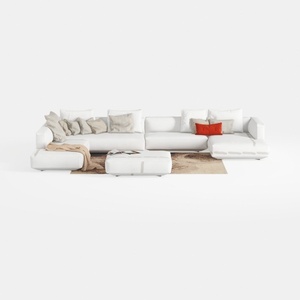
Minimalist White Fabric L Shaped Sectional Sofa with Ottoman 3D Model
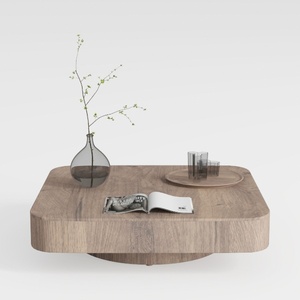
Minimalist Solid Oak Square Floating Coffee Table 3D Model
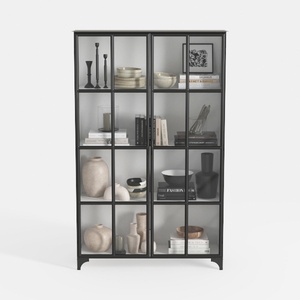
Modern Black Metal Glass Display Cabinet 3D Model
Discover Homestyler, the ultimate online home design platform! With its user-friendly design tool, stunning 3D renderings, and inspiring DIY video tutorials, you can easily transform your space and unleash your creativity. Perfect for both beginners and seasoned designers alike!
Design Now for FREE
































